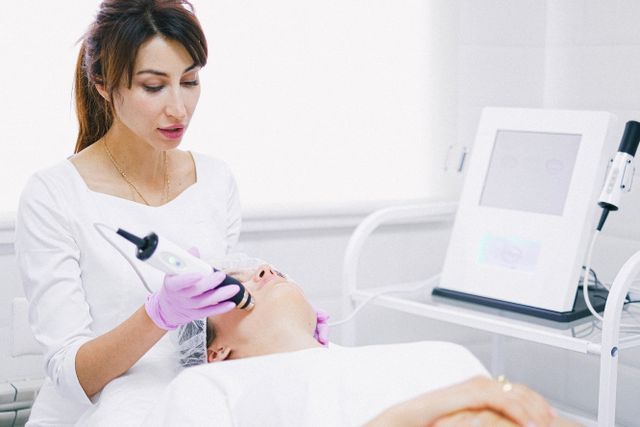
If you want similar results of a facelift without the invasive procedure and downtime, an HIFU treatment may just be for you. It’s a non-surgical treatment designed to address anti-ageing concerns. Here’s what to expect, the risks and how to know whether it’s suitable to your skin.
ALSO SEE: The rise of skincare-based makeup. When beauty meets skincare
Do you want firmer skin without surgery? HIFU treatments may be suitable for you. It’s non-invasive, with minimal downtime, and it’s great for people who want to address anti-ageing without the downtime associated with a facelift. So how does it work, and what can you expect?
What is an HIFU treatment?
HIFU stands for high-intensity focused ultrasound. It’s a non-surgical treatment that uses focused ultrasound energy to heat targeted tissue under the skin. This process stimulates collagen production, which improves skin firmness and reduces the appearance of skin laxity.
Areas that benefit:
HIFU is mostly used on the face, neck, jawline and décolletage. But some devices can be used on the body. However, results will depend on the treatment area, device and the individual’s needs.
Lots of treatments usually work on the skin’s surface, but HIFU targets the deeper layers of tissue. It’s often marketed as a non-surgical alternative to a facelift, although it can’t fully replicate surgical results.
How it works
A practitioner will use a handheld device during a session, which will deliver focused ultrasound energy to specific depths beneath the skin. The energy creates controlled heat in this targeted tissue, triggering the body’s own healing response and stimulating collagen production.
Collagen keeps the skin firm and elastic. As collagen slowly develops, the treated area may appear tighter and more defined.
Note that the results aren’t immediate. Some may notice initial improvement, but typically the changes will develop over two to three months and might continue for several months. Not everyone responds the same way so the degree of improvement may vary.
What to expect
A typical treatment session may take 60 to 90 minutes, depending on the area. You’ll feel a bit of warmth, tingling or brief discomfort as the ultrasound is being delivered. If needed, you can discuss a numbing cream or pain relief with your practitioner.
There’s usually little downtime but they might be temporary redness, tenderness, swelling or bruising. If the procedure is done incorrectly, there might be burns or nerve irritation – so make sure to choose a reputable skin expert.
The bottom line
HIFU treatment isn’t for everyone, so consult a qualified, trained professional before the treatment. Take your time with a thorough consultation where you can discuss the device, expected results, risks and whether HIFU is suitable for your skin.
ALSO SEE:
The end of “perfect skin”. Why real skin is having a beauty moment
Featured image: Pexels