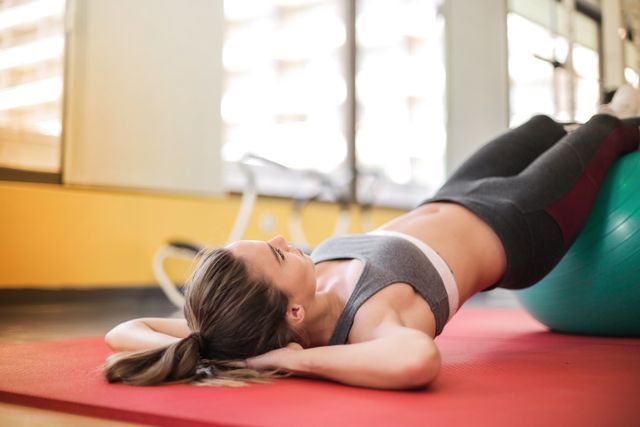
Deep core and glutes exercises become more important as we age, not to look good but because it’s essential to stay as strong for as long as possible. Here’s how to do it.
ALSO SEE: Make veggies more exciting with these healthy dips
Most health experts will say that strength training becomes particularly important as we move into our 40s. It’s crucial for maintaining muscle, mobility and stability. Two areas we have to prioritise are the glutes and deep core. Together, they support the spine, pelvis and posture, and they help you feel stronger and more stable in everyday movement.
Why your deep core matters
Think of your deep core muscles as an internal support system. They’re formed around the abdomen and spine. Keeping them strong is more than just creating visible abdominal definition. They can improve stability, balance and posture.
Dead bugs: They’re beginner-friendly and relatively easy. Lie on your back with your knees bent 90 degrees and arms raised. With controlled action, extend the opposite arm and leg, but keep your lower back connected to the floor. Return to the starting position, and switch sides.
Bird dogs: Get on all fours, then extend one arm and the opposite leg, keeping your legs level. Pause, then return and switch sides.
Build stronger glutes
The glutes support the hips, pelvis and lower body during walking, climbing stairs and other everyday activities. So strengthening them is essential as we age.
Glute bridges: Lie on your back with your knees bent and feet flat. Anchor your heels and lift your hips. Squeeze the glutes at the top, then lower slowly.
For a bigger challenge, opt for squats or split squats. Don’t focus so much on how much weight you can lift but rather on form and controlled movement.
Make strength training work for you
You don’t need an elaborate workout routine. Aim for 2 to 3 strength sessions per week, and gradually increase repetitions or resistance as you feel yourself getting stronger. You can use dumbbells, resistance bands or just your body weight.
The bottom line
The aim isn’t to train like you used to in your 20s. It’s to build a body that’ll support you as you age – one that’s capable and supported. Keep in mind, however, that if you’re new to exercise or have a medical condition or injury, first get guidance from a fitness professional before starting a routine.
ALSO SEE:
Featured image: Pexels