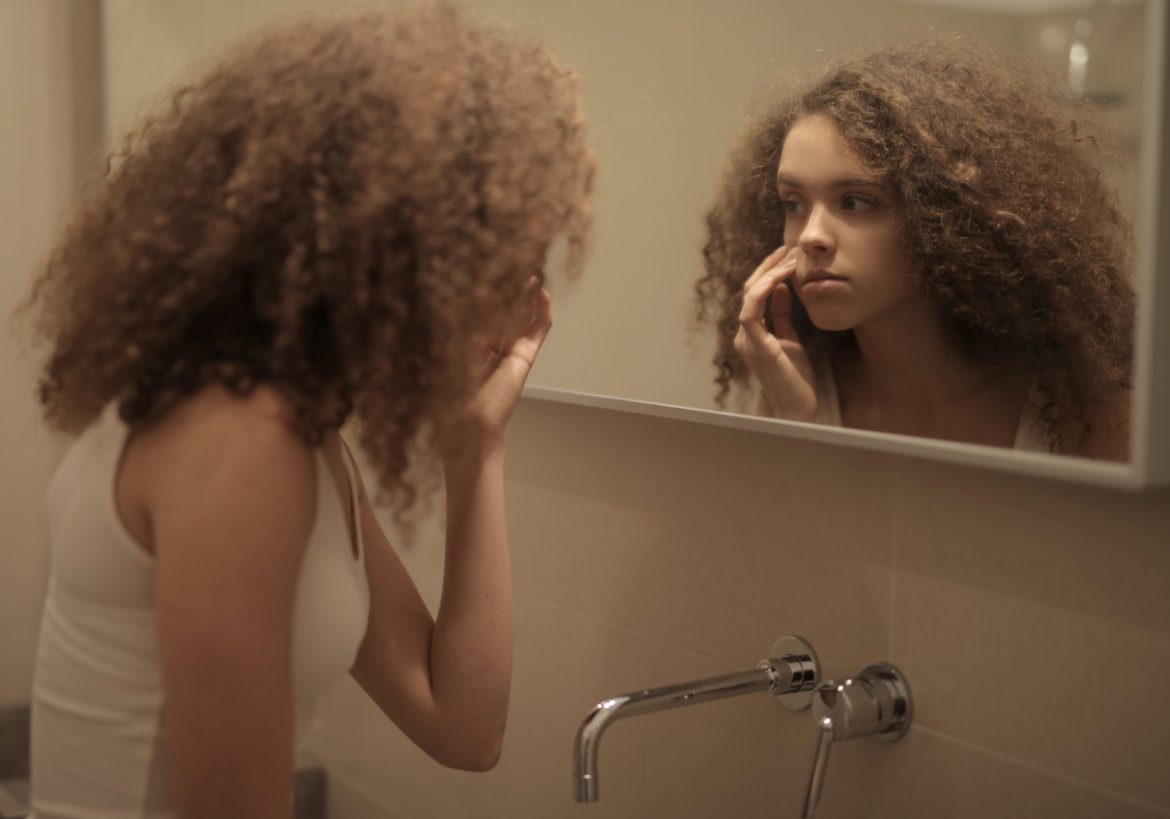
Social media has influenced some teens into thinking they need elaborate skincare regimens. This can lead to long-term damage to their skin due to powerful actives the skin simply doesn’t need. Here’s what parents need to look out for, conversations they need to have and how they can support their child through cosmeticorexia.
ALSO SEE: What to do if your teenager suffers from body dysmorphia
An increasing number of children and teenagers are using skincare products designed for adult skin. Social media is filled with videos of girls as young as eight or nine showing off elaborate skincare routines and expensive beauty hauls.
But many of these products contain powerful active ingredients, chemical exfoliants and anti-ageing formulas that young skin simply doesn’t need. They can cause irritation, sensitivity, dermatitis and even long-term damage.
Experts warn that this growing obsession with achieving flawless skin is known as cosmeticorexia. Similar to body dysmorphia, it involves an unhealthy fixation on perceived skin imperfections and is largely fuelled by unrealistic beauty standards on social media.
How does cosmeticorexia affect different age groups?
Cosmeticorexia can affect people of any age or gender, although it often presents differently depending on the stage of life. In children and teenagers, it commonly leads to the use of age-inappropriate skincare products and overly complicated routines. Young people may feel pressured to prevent wrinkles or reduce pore size long before these concerns are even relevant.
Adults are not immune either. Cosmeticorexia may lead to an unhealthy reliance on cosmetic treatments, including injectables, repeated aesthetic procedures and, in more extreme cases, an obsession with plastic surgery.
Regardless of age, constantly focusing on perceived flaws can negatively affect self-esteem, mental well-being and overall quality of life.
Signs parents should look out for
Parents should notice their child’s behaviour around skincare and appearance. Warning signs include:
- Frequently checking mirrors or closely examining their skin.
- Becoming distressed over normal features such as pores, freckles or fine lines.
- Feeling anxious if they miss part of their skincare routine or run out of a favourite product.
- Spending large amounts of money on skincare or constantly wanting to try the latest products promoted online.
How parents can help
- Help your child understand that young skin has different needs from adult skin and that many trending products are unnecessary or even harmful.
- For most tweens and teenagers, a gentle cleanser, moisturiser and daily sunscreen provide effective skincare. No harsh active ingredients.
- It’s also important to stay involved in your child’s skincare purchases. Read ingredient lists together and discuss whether a product is suitable before buying it.
Finally, have regular conversations about social media. Explain that many of the flawless faces they see online are filtered, edited or enhanced with professional treatments. Helping children develop realistic expectations about skin can protect both their confidence and their long-term skin health.
ALSO SEE:
Beauty trends dermatologists wished women would stop following
Featured image: Supplied/Pexels