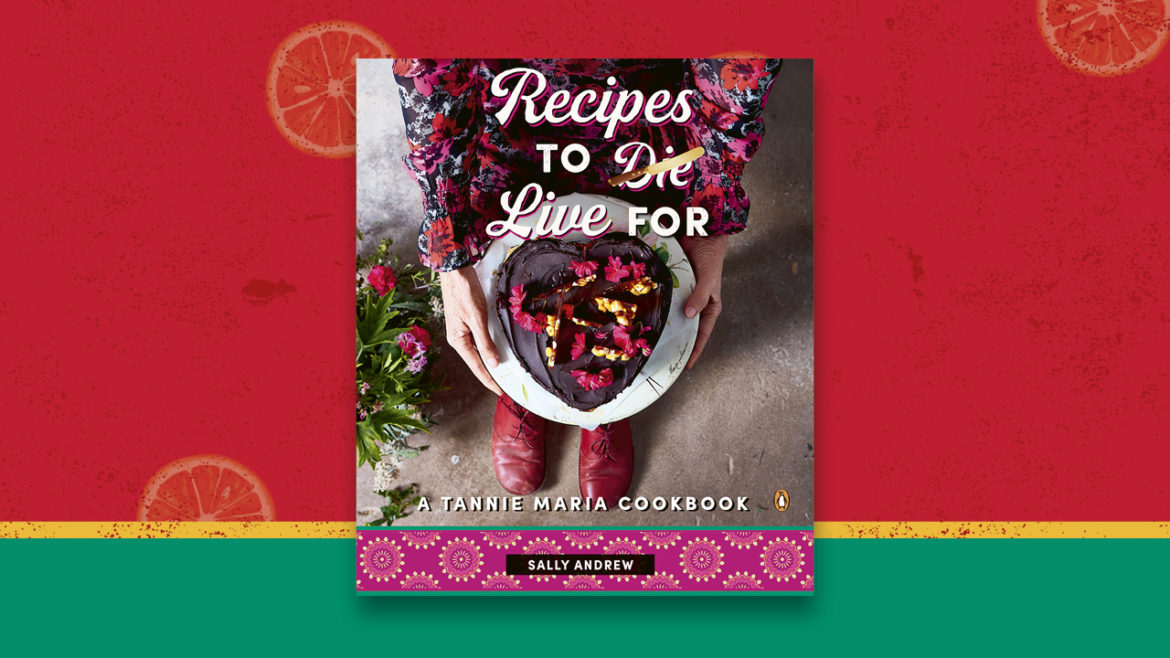
There are cookbooks that help you get dinner on the table, and then there are the ones you return to for comfort, for memory, and for the simple pleasure of spending time in the kitchen. Recipes to Live For by Sally Andrew sits firmly in that second space.
Centred around Tannie Maria, the much-loved agony aunt and amateur detective from Sally Andrew’s Karoo mysteries, this cookbook brings her most enduring love into focus: food. Known for offering life advice through recipes, Tannie Maria has always believed that a well-made dish can soothe, restore, and connect. Here, she opens her kitchen to share the meals that have shaped her story, and the stories of those around her.
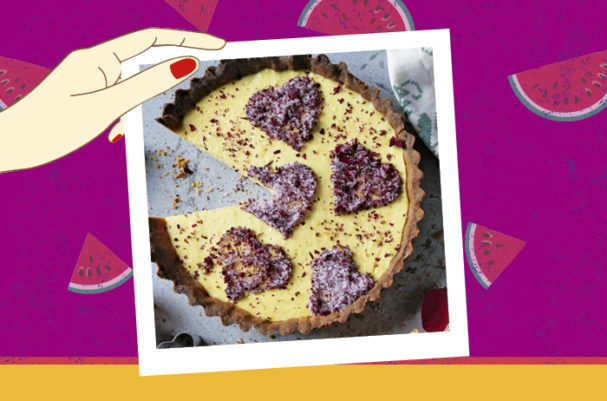
What sets Recipes to Live For apart is its gentle weaving of narrative and nourishment. This is not simply a collection of recipes, but a book that carries the emotional texture of the novels. Alongside each dish are carefully chosen quotes, reflections, and letters written to Tannie Maria’s advice column. These moments ground the food in lived experience, giving each recipe a sense of purpose beyond the plate. You find yourself lingering on the page, drawn into a world where cooking and caring are inseparable.
The Karoo is a constant presence throughout. Its wide skies, quiet rhythms, and enduring sense of place shape both the tone of the book and the food itself. The photography captures this beautifully, pairing dishes with landscapes that feel unmistakably South African. There is an honesty to it all. Nothing feels overworked or overly styled. Instead, there is a calm confidence in letting both the food and the setting speak for themselves.
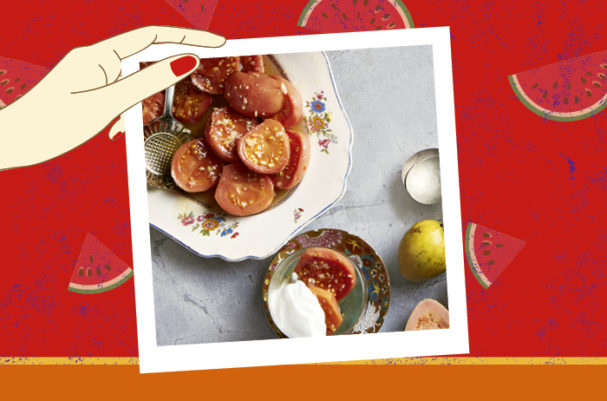
At its core, the book celebrates traditional South African cooking. These are dishes that many will recognise instantly, recipes that carry the weight of family history and shared experience. A deeply satisfying Karoo lamb pie, slow-cooked until tender and rich, sits alongside vetkoek filled with savoury mince. On the sweeter side, melktert and koeksisters deliver that familiar sense of indulgence and nostalgia. Each recipe feels rooted, offering flavours that are both comforting and timeless.
At the same time, there is a lightness and creativity that keeps the collection feeling fresh. Sally Andrew introduces unexpected touches that reflect a more contemporary approach without losing the essence of the food. A quick, uncomplicated weerligkoek sits comfortably alongside slower, more traditional dishes, while something like spekboom ice cream adds a distinctly local and modern twist. This balance makes the book accessible, whether you are cooking for a family meal or trying something new for the first time.
Practicality is also carefully considered. While many of the recipes embrace the slower pace of traditional cooking, there are options suited to everyday life. The instructions are clear and inviting, encouraging confidence in the kitchen rather than perfection. It is a book designed to be used, with dishes that feel achievable and rewarding.
Beyond the recipes, what lingers is the sense of connection. Food here is not treated as a performance, but as a way of bringing people together. Tannie Maria’s voice carries warmth, humour, and a quiet wisdom, reminding us that cooking can be an act of care. Whether it is preparing a meal for loved ones or simply taking time for yourself, there is value in the process.
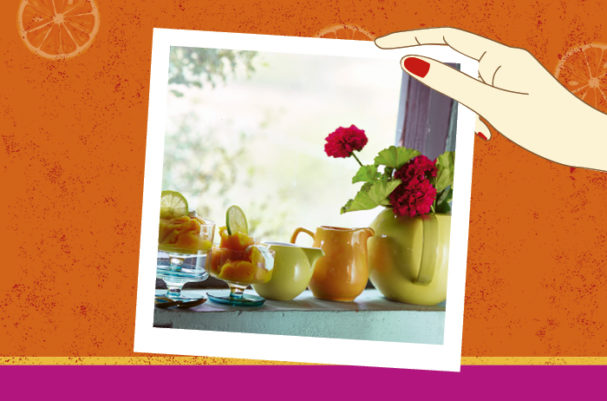
Recipes to Live For also offers something meaningful for both readers of the series and those discovering Tannie Maria for the first time. For long-time fans, it deepens a familiar world, allowing them to experience it in a more tactile, sensory way. For newcomers, it provides an inviting entry point, introducing a character and setting that feel instantly welcoming.
There is a generosity to this book that extends beyond its pages. It encourages a slower, more considered approach to food, one that values flavour, memory, and shared experience. It invites you to read while something simmers, to cook without rushing, and to savour both the meal and the moment.
In Recipes to Live For, Sally Andrew has created a cookbook that feels personal and grounded. It honours South African food traditions while bringing them into a space that is both contemporary and deeply human. And at its centre is a simple, enduring idea: that the food we make, and the time we take to make it, can be one of the most meaningful ways we care for ourselves and each other.
ALSO SEE:
Featured Image: Supplied