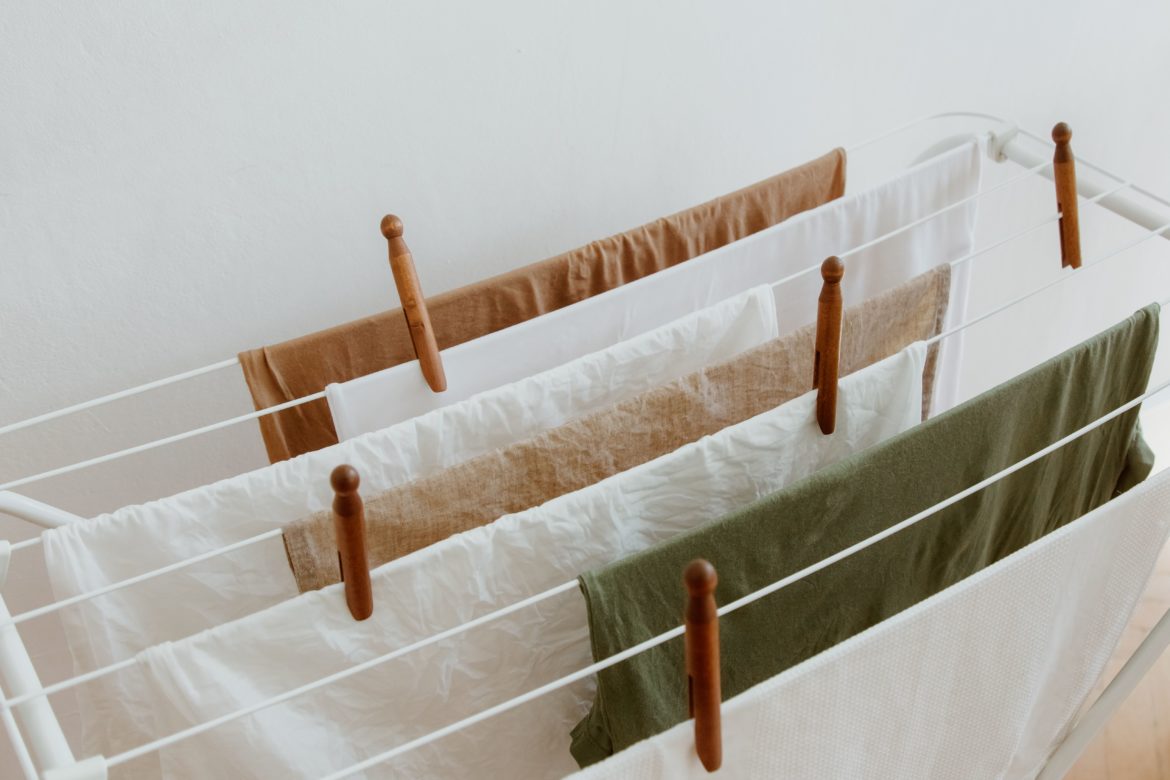
A tumble dryer is undeniably convenient, especially when laundry is piling up and the weather is not cooperating. But for many garments, letting them dry naturally can be the kinder option. Heat, tumbling and repeated friction all place stress on fibres over time, which can contribute to fading, shrinkage, stretching and general wear.
Air-drying removes much of that mechanical strain. It is particularly useful for delicate pieces, activewear, swimwear and garments made from fibres that respond poorly to high heat. Wool and silk, for example, are usually better kept away from tumble-dryer temperatures unless the care label specifically says otherwise.
The simplest rule is still the most reliable one: check the care label. Some cottons, linens, blends and synthetics are perfectly suitable for machine drying, while others are designed to be dried flat or hung up.
The fabrics that benefit most
Delicates tend to show the biggest difference. Lingerie, hosiery, lightweight knits, embellished pieces and certain performance fabrics can lose shape or elasticity when they are exposed to too much heat. Air-drying also helps preserve darker colours because it avoids the combination of heat and repeated tumbling that can make fabric look tired over time.
Outdoor drying comes with one extra consideration. Strong, direct sunlight can fade deeply coloured clothing and may be harsh on some delicate fibres, so shaded outdoor areas or a bright indoor drying space are often better choices. Good airflow matters too. Clothes that are crowded together take longer to dry and can develop a stale smell before the moisture has fully evaporated.
There are still good reasons to use a dryer
Air-drying is not automatically the best choice for every load. It needs space, decent ventilation and time, which may not be practical in a small home or during a run of wet weather. A tumble dryer can also leave certain sturdy fabrics softer and more comfortable straight away. Denim is a good example: jeans dried on a line can feel stiff at first, while a short, lower-heat dryer cycle can soften them quickly.
The better approach is to treat drying as a fabric-by-fabric decision rather than an all-or-nothing rule. Use the dryer when speed matters and the garment can handle it, then choose air-drying for items that are delicate, expensive, prone to shrinkage or simply worth protecting for longer.
How to air-dry clothes well
Shake garments out before hanging them so deep creases do not set as they dry. Keep enough space between pieces for air to circulate, reshape knits before laying them flat and avoid hanging heavy items in a way that may stretch the shoulders or seams.
If indoor drying is your only option, crack a window or use ventilation where possible to help moisture escape the room. That small step makes drying faster and helps prevent excess indoor humidity.
The payoff is not dramatic after one wash, but over months of laundry days, gentler drying can help favourite clothes keep their shape, colour and finish for longer, while also trimming some household energy use.
A practical middle ground
You can also combine methods. Air-dry a load until it is almost dry, then use a short, low-heat tumble to soften heavier fabrics and finish the job. This reduces time in the machine while avoiding the stiffness that sometimes comes with line drying. For garments with elastane, prints, trims or delicate finishes, however, the care label should always win over convenience.
ALSO SEE:
Featured Image: Pexels