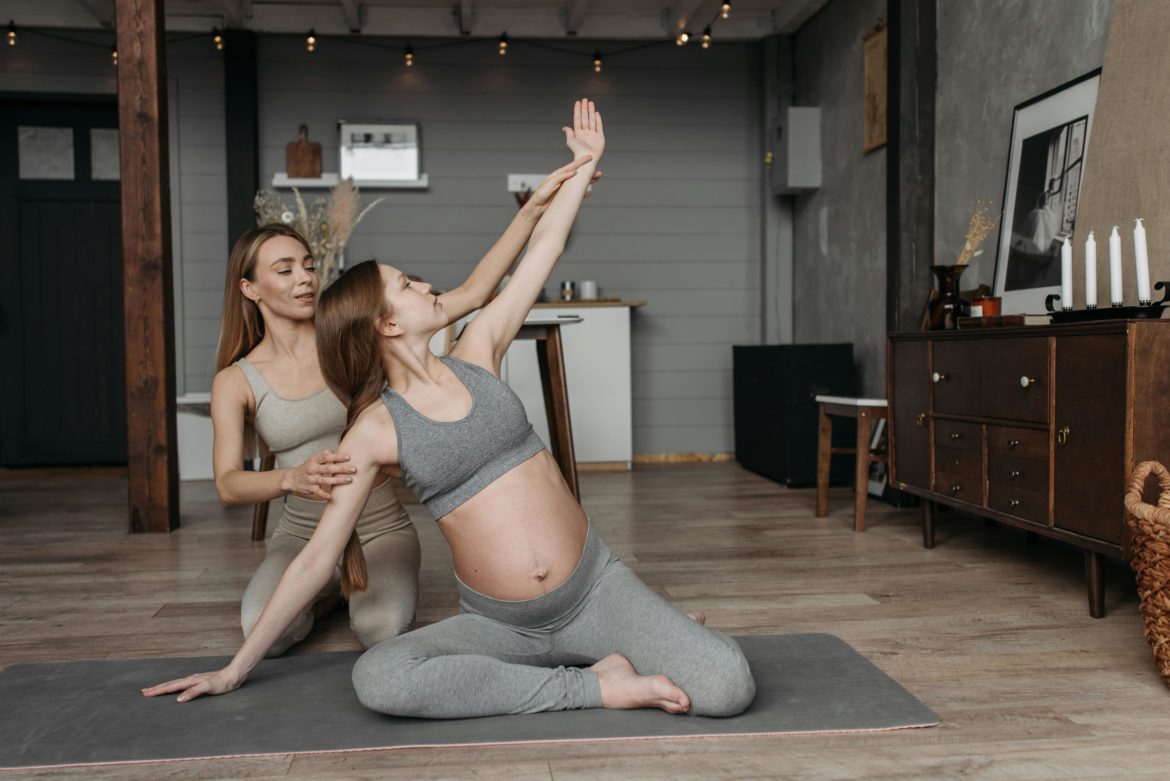
There is a persistent cultural narrative around pregnancy and exercise that positions the two as uneasy companions: something to be approached cautiously, scaled back significantly and abandoned at the first sign of discomfort. The research, accumulated over decades and significantly expanded in recent years, tells a quite different story.
For women with uncomplicated pregnancies, regular moderate exercise is not merely safe. According to a comprehensive systematic review published in 2024 in the journal Dialogues in Health, it reduces the risk of pregnancy complications, supports mental health and prepares the body for labour and recovery in ways that are well-documented and consistently meaningful. The American College of Obstetrics and Gynaecology recommends twenty to thirty minutes of exercise per day for most pregnant women, yet research indicates that only a small minority of pregnant women are actually meeting this threshold.
What the research consistently shows
The benefits of exercise during pregnancy are documented across multiple domains. Regular aerobic exercise during pregnancy has been associated with a reduced risk of gestational diabetes, a condition that affects the mother’s blood sugar regulation and carries risks for both mother and baby. It has also been associated with lower rates of gestational hypertension and pre-eclampsia, a serious condition characterised by high blood pressure in pregnancy.
Beyond the physiological complications, exercise during pregnancy consistently produces improvements in mood, reduced anxiety and better sleep quality, all of which are important given that mental health challenges are among the most common and most undertreated aspects of the perinatal period. Physical activity is one of the most reliably evidence-based tools available for managing the mood changes and anxiety that many women experience during pregnancy.
There are also benefits that directly prepare the body for labour and postpartum recovery: maintained cardiovascular fitness, improved posture, reduced back pain and stronger pelvic floor and core musculature all make a measurable difference to the physical experience of late pregnancy and early parenthood.
What type of exercise is most useful
The 2024 systematic review found that different forms of exercise produced different benefits at different stages of pregnancy. Aerobic exercise, including walking, swimming, cycling and moderate jogging, provided the most consistent and broad-ranging benefits throughout pregnancy. Resistance training supported muscle strength, improved posture and helped manage back pain, which affects a significant proportion of pregnant women. Aquatic exercise and yoga were particularly valuable in the later stages, when joint load and physical discomfort make land-based exercise more challenging.
The research does not identify a single superior form of exercise. What it identifies is that consistency and moderate intensity across whatever form of movement the pregnant woman can sustain comfortably is more important than the specific activity. Walking remains the most accessible and least technically demanding option for most women and produces genuine, measurable benefits.
The pelvic floor question
One of the less discussed but practically important aspects of training during pregnancy is pelvic floor health. Pregnancy itself places a significant load on the pelvic floor, and exercising appropriately, which includes attention to breath management and avoiding exercises that increase intra-abdominal pressure excessively, supports rather than undermines pelvic floor function. Many physiotherapists who specialise in women’s health recommend establishing pelvic floor exercise habits early in pregnancy rather than waiting for postpartum problems to emerge.
The caveats that matter
The benefits of exercise during pregnancy apply specifically to uncomplicated pregnancies in women without contraindications to exercise. Conditions including placenta praevia, pre-eclampsia, cervical incompetence and several others require modified or restricted activity, and decisions about exercise during pregnancy should always involve a healthcare provider. When medical clearance exists and no contraindications are present, however, the evidence is consistently in favour of staying active rather than stepping back.
The most useful reframe is that exercise during pregnancy is not a performance or an achievement. It is a form of healthcare, as evidence-based as prenatal vitamins or regular check-ups, that happens to also improve how you feel from day to day.
ALSO SEE:
Hospice Week: Highlighting the importance of palliative care
Featured Image: Pexels