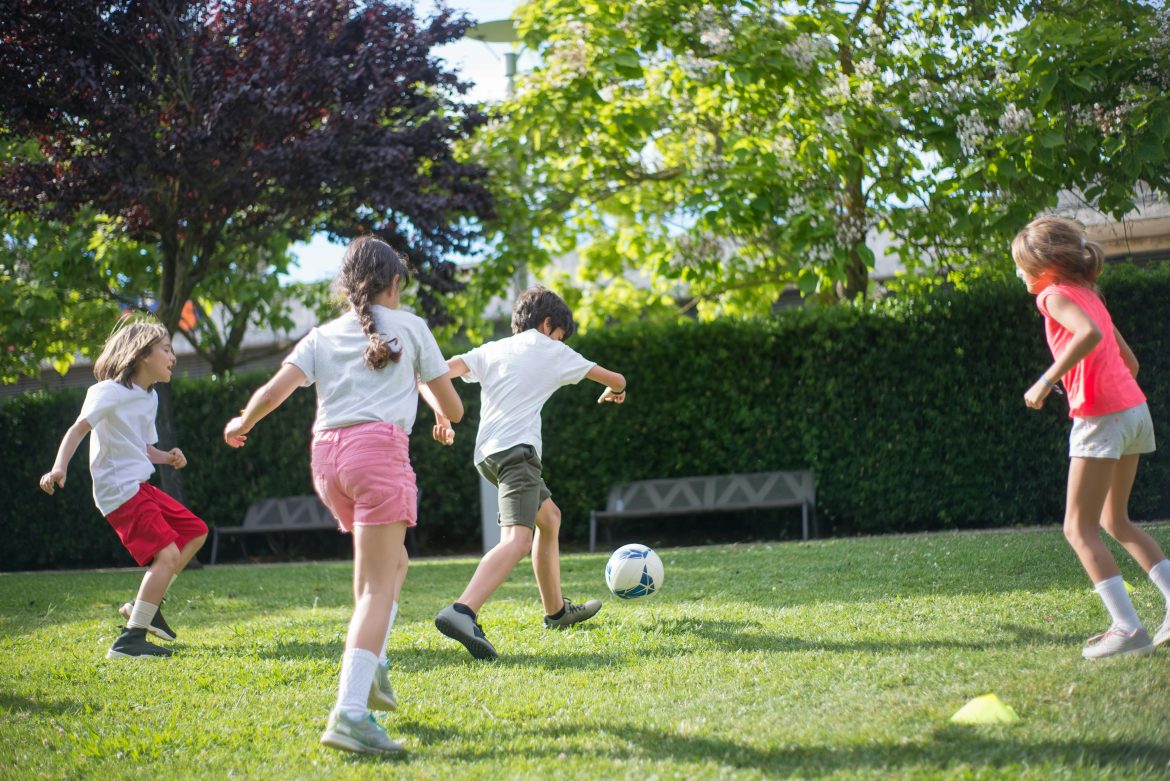
Studies show that childhood obesity is rapidly rising. The reasons matter little for a distressed parent who want their child to be healthy. The good news? It’s never too late to cultivate healthy habits. Learn how to gently encourage your overweight child to become more active and health conscious.
ALSO SEE: Setting boundaries with your grown-up children – the right way
Whether due to a sedentary lifestyles or a medical condition, having an overweight child can be distressing for parents. But helping your child be more active isn’t about punishment, but rather about building sustainable habits. You can make movement feel safe and fun, which would make it far more likely for your children to stick with them.
Here’s how parents can gently guide their children to health and make movement a part of life.
Focus less on weight, rather on health
Children can be quite sensitive to how we speak about their bodies – it can ultimate become the script for how they regard themselves. Instead of centring discussions on weight loss, speak about energy, strength and feeling good.
Say this:
- ‘Let’s become stronger.’
- ‘Moving is good for heart health.’
Avoid labelling the child as ‘overweight.’ Experts say body-focused criticism can affect self-esteem and actually cause the person to have a negative relationship with physical activity.
Make movement a family activity
Children follow what they see you do, rather than what you say. If exercise feels like a punishment or demand, but not a priority for the whole family, resistance is likely.
Practical ideas:
- Take a walk after supper.
- Have a dance session in the living room
- Have a family swimming outing.
- Ride your bikes together weekends.
You can make fun goals – when movement is a shared time, motivation comes naturally.
Let them choose
Know your kids well enough to see what they gravitate towards. Not all children enjoy team sports. Some may like martial arts, swimming, skating, hiking or gymnastics. Give them the choice and let them experiment. A child likes to feel ownership of their choices and they’re likely to stay engaged.
Reduce screen time gradually
You don’t have to suddenly ban all devices. Create structured swaps:
- ‘Let’s go outside for 30 minutes first.’
- ‘One hour of playing outside before gaming.’
- Gradual adjustments feel less pressured and more manageable.
Create a supportive food environment
Nutrition matters too. Stock the house with nourishing snacks and involve them in meal planning. Avoid ‘diet’ language, which can create an unhealthy relationship with food.
Final thoughts
Remember that the goal isn’t fast weight loss. It’s building healthy habits that’ll last into adulthood. The rules should count for all members of the family, too. When children feel supported and not judged, they’re more likely to be successful.
ALSO SEE:
Featured image: Pexels