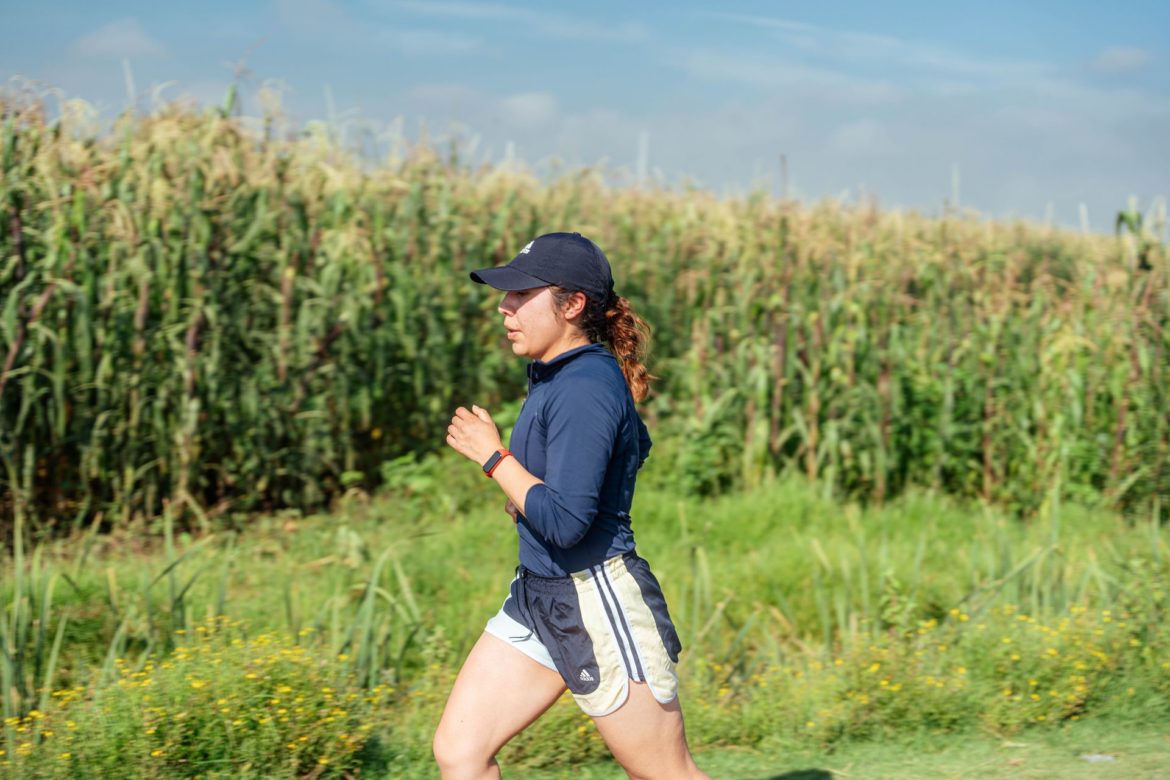
The weighted vest has moved from sports training equipment into mainstream fitness culture, and the reasons are understandable. Adding load to a cardio session increases intensity without requiring a change of pace, burns more calories in the same amount of time and builds bone density through mechanical loading. The case for it is genuinely strong. So are the reasons to think carefully before adding one to your routine.
The case for it
The most well-documented benefit of weighted vest cardio is increased calorie expenditure. Studies examining walking and running with additional load consistently find 10 to 15 per cent increases in energy expenditure at the same speed. This means a walk at 6 kilometres per hour with a weighted vest costs more metabolically than the same walk without one, without requiring you to increase your pace or perceived effort significantly.
Bone density is the benefit that receives less attention but matters considerably over time. The mechanical loading effect of weighted vest exercise, placing additional stress on bones through increased body weight, stimulates osteoblast activity and encourages bone formation. For women approaching perimenopause and menopause, when bone density begins to decline at an accelerating rate, load-bearing exercise is one of the most effective interventions available, and a weighted vest amplifies this effect beyond what bodyweight alone produces.
The cardiovascular system also responds to the increased demand. At the same pace, a loaded session produces a higher heart rate, greater stroke volume and more oxygen consumption than an unloaded one. For someone whose fitness level has outpaced the challenge of their current cardio routine, a vest is a practical way to increase difficulty without adding distance or time.
The case against, or for caution
Joint loading is the primary concern. A weighted vest increases the force on the knees, hips and ankles with every stride or step. For people who already experience any joint discomfort, or who have a history of stress fractures, adding external load to impact activities increases the risk of injury in proportion to the additional weight. The same mechanism that stimulates bone formation can overload cartilage and soft tissue when the load is too great or introduced too quickly.
The vest changes your biomechanics, and not always for the better. Running with an unfamiliar load can alter gait, affect stride length and change posture in ways that create new stress patterns in the body. This is particularly relevant when the vest is first introduced or when the weight is too heavy. The appropriate starting point is no more than 5 to 10 per cent of bodyweight, and for running specifically, starting with walking or hiking before running with a vest reduces the adjustment period.
Heat retention is a practical limitation that is easy to underestimate. A vest covers the torso, which is one of the body’s primary heat-dissipation surfaces. In warm weather or during high-intensity cardio, the added insulation elevates core temperature more quickly than unvested exercise. This is manageable with awareness of the conditions and appropriate hydration, but it is worth noting before heading into a hot day with an extra layer of neoprene or canvas strapped to the body.
Who benefits most
The weighted vest is best suited to people who have been doing cardio at a comfortable, consistent level and want to increase the physiological demand without increasing duration, and to those looking to specifically improve bone density through impact activity. Walking, hiking, and stair climbing are the most practical starting applications. Running with a vest is effective but requires a longer adaptation period and is better suited to those who run comfortably and consistently before adding load.
Anyone with lower back problems should approach with caution or seek guidance before use: the vest sits on the torso, and the additional weight can increase spinal loading. The same applies to anyone recovering from any lower limb injury.
ALSO SEE:
Featured Image: Pexels