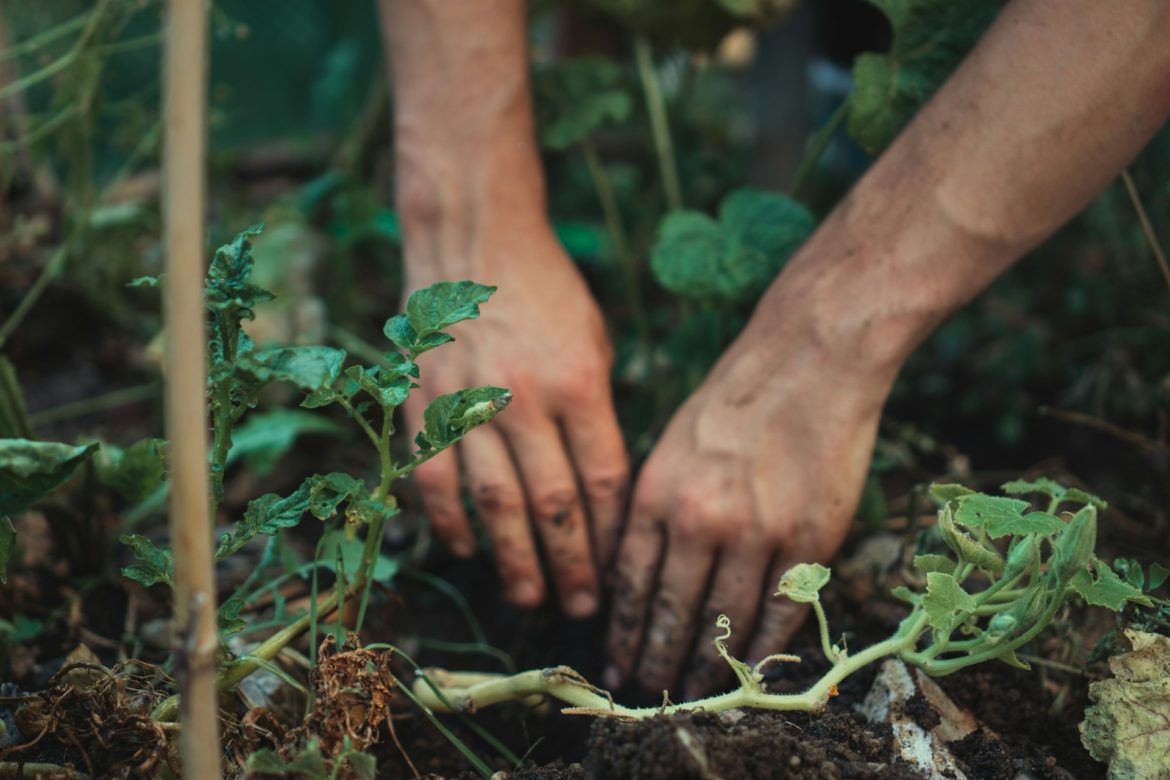
They can look deceptively pretty at first. A sprawling vine softening a fence, a shrub filling an awkward corner, a ground cover spreading obligingly across bare soil. But invasive plants are rarely as innocent as they appear. Left unchecked, they crowd out the plants you actually want, smother native species, disrupt local ecosystems, and become increasingly difficult to remove the longer they are left to establish.
The good news is that with the right approach, even a badly overrun garden can be reclaimed.
Start by identifying what you are dealing with
Before reaching for a spade or spray bottle, take time to correctly identify the plant. Different invasive species spread in different ways, and that determines how you tackle them. Vining plants like English ivy and blackberry form new roots wherever they touch the ground, turning a single creeping stem into a dense tangle over time. Woody shrubs like Japanese knotweed spread both underground through their root systems and above ground through seeds, which is why new patches seem to appear out of nowhere. Invasive trees outpace their neighbours by growing quickly and casting shade that suppresses everything below them. Annuals and perennials tend to self-seed prolifically, blanketing bare soil before you have noticed the problem.
Knowing which type you are dealing with tells you whether to dig, pull, smother, or chop — and which approach could actually make things worse.
Removal methods that work
For most home gardeners, physical removal is the most effective and least harmful starting point. Hand-pulling works well on young plants with shallow roots, particularly after rain when the soil is loose. Always pull from the base to remove as much of the root system as possible, and wear gloves — some invasives have skin irritants, thorns, or sap that can cause reactions.
Digging is more appropriate for established plants with deep or woody roots, though it is worth noting that some perennials, including plants that spread through rhizomes and bulbils, can actually be worsened by digging if root fragments are left scattered in the soil. For those plants, a smothering technique is often safer.
Solarisation is a useful low-labour option for large, densely covered areas. A clear plastic sheet laid over the affected ground traps and intensifies heat from the sun, cooking the plants beneath it. Left in place for at least four weeks during the warmest months, it can kill off both growth and seeds in the soil below. Occultation works on a similar principle but uses an opaque material — a black plastic sheet, old carpet, or any dense covering — to starve plants of the light and air they need to photosynthesise.
For established invasive trees, chopping is often the only realistic option. A clean cut with a chainsaw or axe, made carefully and safely, removes the canopy. If regrowth sprouts from the stump, pull those shoots promptly each year until the root system exhausts itself. For large or mature trees, calling in a qualified arborist is a sensible precaution.
A word on herbicides
Reaching for a herbicide is tempting when the problem feels overwhelming, but it is worth exhausting physical methods first. Chemical sprays can linger in soil and waterways, harm pollinators and beneficial insects, and with repeated use can encourage the development of resistant weed strains. If herbicides are necessary, choose a product targeted at the specific plant rather than a broad-spectrum formula, apply it during dry, warm conditions, and follow dosage instructions carefully.
Homemade sprays — vinegar solutions, soap mixtures and similar DIY remedies — are often less effective than assumed and can be more harmful to the surrounding garden than expected. High-concentration vinegar, for instance, is hazardous to handle and indiscriminate in what it affects.
Prevention is the real victory
Once invasive plants have been removed, the priority shifts to stopping them from returning. Bare soil is an open invitation for weed seeds, so covering the ground is essential. A generous layer of organic mulch — compost or leaf mould works particularly well — prevents seeds from making contact with the soil, retains moisture, and feeds the ground below as it breaks down over time.
Planting the cleared space with indigenous or garden-appropriate species is equally important. A densely planted bed leaves very little room for invasives to take hold. Where plants cannot fill a gap immediately, mulch should. The garden rewards being kept full.
Vigilance is the final piece. A single young weed removed promptly is far less work than a patch left to seed and spread. Check regularly, pull early, and the balance of your garden will stay firmly in your favour.
ALSO SEE:
Featured Image: Unsplash