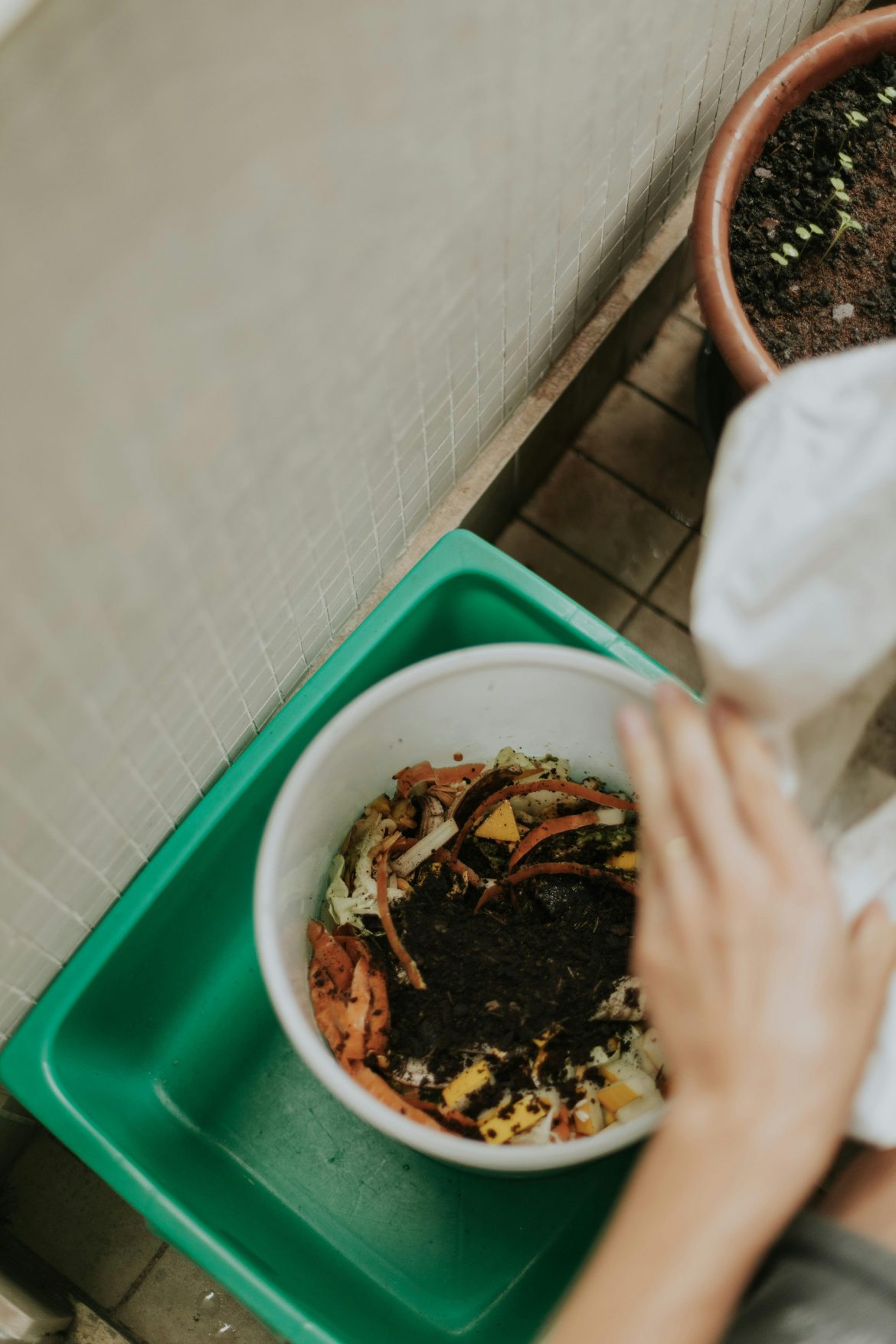
You have been turning it, watering it and adding kitchen scraps for months. Now the big question is whether your compost is actually ready to use. Spread it too soon, and you can rob plants of nitrogen, attract pests or end up with half-rotted bits in your beds. Leave it too long, and you miss out on one of the best free soil improvers you can make at home.
The good news is that finished compost is easy to recognise once you know the cues.
How long does compost usually take?
There is no single timeline. A well-managed hot pile can be ready in a few weeks in warm weather, while a slower, low-maintenance heap can take months, sometimes longer through cold spells. Compost finishes faster when the mix of browns and greens is balanced, the pile stays moist but not soggy, oxygen is introduced by turning, and temperatures are warm. If you are unsure, trust what you see and smell rather than the calendar.
The texture is fine and mostly uniform
Finished compost should not look like the contents of your kitchen caddy. Turn a section of the pile and check for recognisable scraps. Mature compost is crumbly and soil-like, with only the odd small twig. If you still have chunky pieces, sift the compost through a mesh screen. Use the fine portion now and return the larger bits to the heap to keep breaking down.
The colour is a rich, dark brown
Ready compost has a deep brown tone, similar to the forest floor after rain. If it is still pale, patchy or clearly made up of different colours, it needs more time. If it looks almost black, slimy and smells unpleasant, it is likely too wet and short on oxygen, which means it needs turning and better airflow. In slower piles, the centre often finishes first, so pull back the outer layer and check the core.
It smells earthy, not sour
A finished pile smells fresh and earthy. It should not smell like rotting food, ammonia or sour waste. Bad odours usually point to a pile that is too wet, compacted or lacking oxygen. Healthy compost smells like garden soil. If it smells like the garden, it is usually ready for the garden.
The pile has shrunk noticeably
As microbes break material down, the volume drops. It is normal for a pile to shrink by a third to a half over time. If your heap has settled into a smaller mound and looks more compact, it is a good sign that decomposition is well advanced. If you want compost soon, stop adding fresh scraps. New additions restart the process. Many gardeners keep two or three sections, one being filled, one breaking down, and one ready to use.
It passes the simple seed test
If you want extra reassurance, try a quick germination check. Fill a small pot with compost and sow a few quick seeds such as cress or lettuce. Water lightly and watch for a week or two. If germination is strong and seedlings stay green and sturdy, your compost is stable. If seedlings struggle or go yellow, the compost may still be too fresh and active.
If it is close but not quite ready
Turn the pile to improve airflow and break up compacted pockets. Adjust moisture so it feels like a wrung-out sponge. If it is soggy, add more browns such as dry leaves or shredded paper. If it is dry and slow, add a little green material and water lightly. Then give it time. Mature compost improves soil structure, boosts microbial life and helps soil hold moisture. Immature compost can temporarily compete with plants for nutrients.
How to use finished compost
Use it as a mulch around vegetables and shrubs, mix it into beds before planting, top-dress lawns, or blend it into potting mixes to add life and structure. It is one of the most valuable, low-cost soil amendments you can make at home, and it turns everyday waste into something your garden will thank you for.
ALSO SEE:
Freeze garden herbs the right way so they stay bright and full of flavour
Featured Image: Pexels