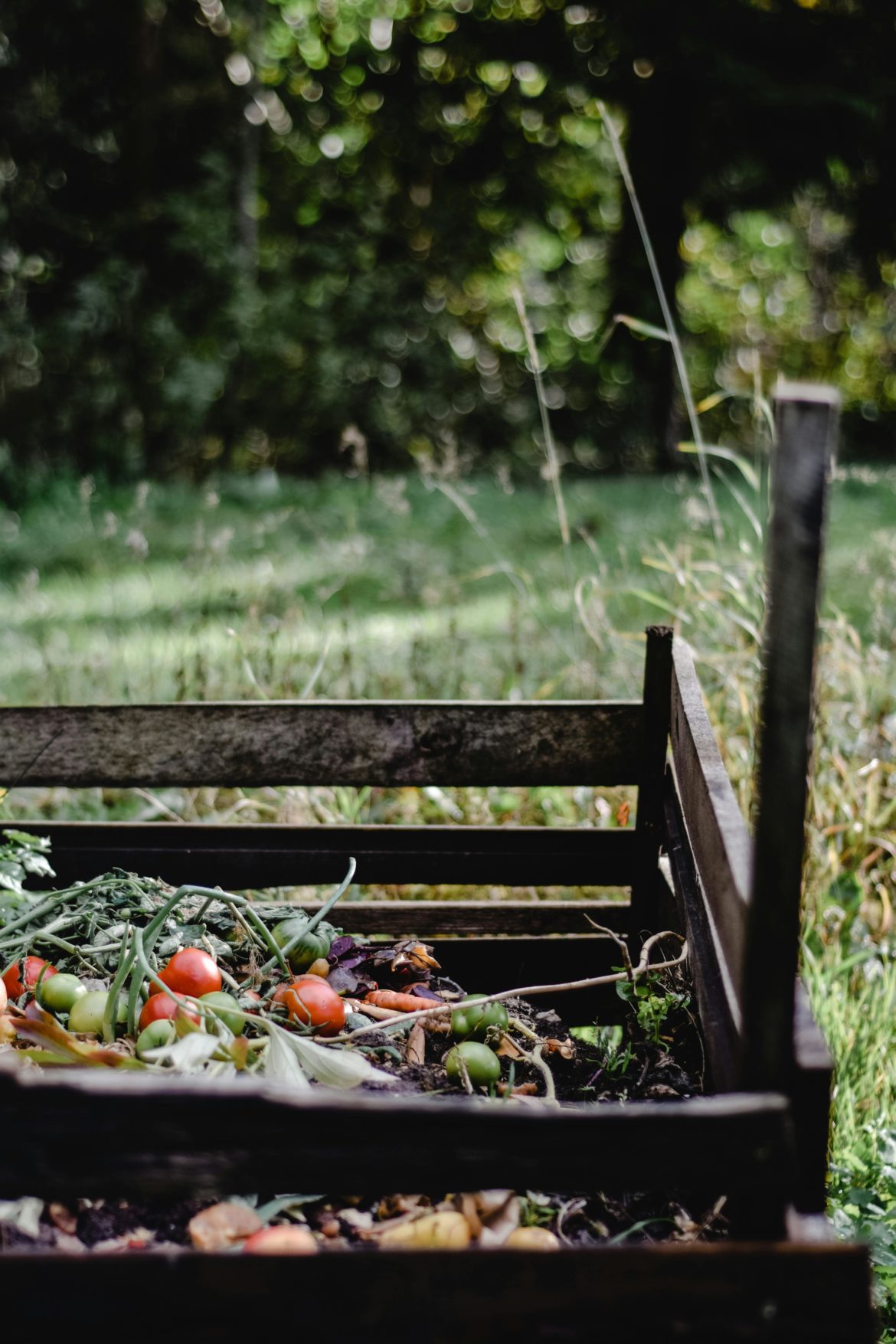
Autumn is the most abundant season for the composter. Fallen leaves accumulate faster than they can be raked, the vegetable garden is producing its last harvests, and spent summer plants are ready to be cleared. All of it is raw material for what is arguably the most valuable thing a home gardener can produce: good compost.
The seasonal timing also works in your favour. A pile built up well in autumn, with the right balance of materials and a decent volume behind it, generates enough internal heat to keep decomposing through the cooler months that follow. What you do now directly determines whether you have finished compost ready when the garden needs it in spring. Here is how to make the most of the season.
Start with a layer of autumn leaves
Fallen leaves are the defining material of autumn composting and one of the most useful inputs available. They are rich in carbon, break down steadily over time, and improve the structure of finished compost considerably. The challenge is that leaves alone, piled in large quantities, can mat together and form an anaerobic layer that resists decomposition. The solution is to mix them through the pile rather than adding them in solid blocks, or to shred them first, which dramatically increases the surface area available to decomposing microorganisms and speeds the process up.
A supply of shredded or loosely raked leaves kept in bags or a separate corner of the garden provides a ready stock of brown material to draw on through the autumn and into winter, whenever the pile needs balancing. This is worth doing as you rake rather than leaving it as a future task.
Understand the balance of greens and browns
Every compost pile requires a working balance between nitrogen-rich green materials and carbon-rich brown ones, in a ratio of roughly one part green to two or three parts brown by volume. Autumn provides both in abundance, but the balance can easily tip too far in either direction if left unmanaged.
Green materials include kitchen scraps, fresh vegetable waste from the garden, spent annual plants and grass clippings. Brown materials include fallen leaves, straw, cardboard torn into pieces and dry woody stems. A pile that smells unpleasant or feels slimy has too much green material and needs more browns added. One that is barely breaking down and feels dry is the opposite: a handful of fresh kitchen scraps or a layer of green garden waste usually reactivates it within a few days. Getting this balance right in autumn sets the pile up to work through the cooler months with minimal further adjustment.
Build volume now to retain heat later
Heat is what drives rapid composting, and heat is generated by biological activity within the pile. A larger pile sustains that heat better than a small one, because the outer layers act as insulation for the more active, warmer core. A pile built to a good size in autumn, at least one metre wide and tall, will retain enough heat at its centre to keep decomposing through mild frost and cool weather.
As temperatures drop further into winter, increasing the size if possible helps: a pile of one and a half to two metres wide and tall insulates itself significantly more effectively than a smaller one. Autumn is the natural time to build volume because the material is readily available. Use the season’s abundance to build a pile that will sustain itself rather than going dormant the first time a cold snap arrives.
Turn the pile to get things moving
Turning a compost pile introduces oxygen, which the aerobic microorganisms responsible for decomposition need to function effectively. In autumn, when a fresh pile is first coming together with a mix of new materials, turning every week or two accelerates the initial breakdown and helps distribute heat evenly through the heap.
As the weather cools into winter, turn less frequently. Each turn releases accumulated heat as steam, and in cold conditions, that heat is slow to rebuild. Reducing turning to once every three to four weeks through the colder months preserves internal warmth while still providing enough air circulation to keep the process moving. A pile that is no longer steaming when turned is running cold and may benefit from a fresh injection of nitrogen-rich green material to reactivate the microbial activity.
Manage moisture through the wet season
Autumn often brings increased rainfall, which can tip a compost pile from ideally moist to waterlogged if it is left exposed. A pile that is too wet loses its air pockets, turns cold and anaerobic, and breaks down very slowly while producing an unpleasant smell. The goal is a pile that feels like a wrung-out sponge: damp throughout but not dripping when a handful is squeezed.
Covering the pile with a tarpaulin, positioning it under a garden structure or dense tree canopy, or using a covered compost bin gives you control over moisture input during rainy periods. If the pile does become too wet, turning in a generous layer of dry brown material, shredded leaves, straw or torn cardboard, and turning it through helps absorb the excess and restore the right balance.
Keep adding through winter
One of the most useful things about a well-built autumn compost pile is that it continues to accept material through winter without the process stalling completely. Kitchen scraps, cardboard, paper and dry garden waste can all go in throughout the colder months. Adding material in the centre of the pile rather than on top helps it reach the warmest zone and breaks down more quickly.
What to avoid through winter is anything that attracts wildlife: meat, fish, cooked foods and dairy should stay out of an open heap at any time of year, but particularly so when cold weather drives rodents and other animals to investigate new food sources. A thick outer layer of dry brown material provides additional protection by making the pile less accessible and less appealing from the outside.
What to expect in spring
A pile built in early autumn with good volume and a balanced mix of materials can produce usable compost within three to four months in mild conditions. In colder climates or particularly cold winters, it may not be fully broken down until late spring. The finished product at the base of the pile, dark, crumbly, earthy-smelling material with no recognisable pieces of the original inputs, is what to look for.
Many gardeners run two piles simultaneously: one that is actively being added to, and one that was built the previous autumn and is finishing off through winter. This rotation ensures a continuous supply of finished compost and means there is always somewhere for new material to go. Autumn is the natural moment to start this system if it is not already in place, and the season’s generosity of material makes it easier than at any other time of year.
ALSO SEE:
5 berries you can easily grow in pots – even if your garden is tiny
Featured Image: Pexels