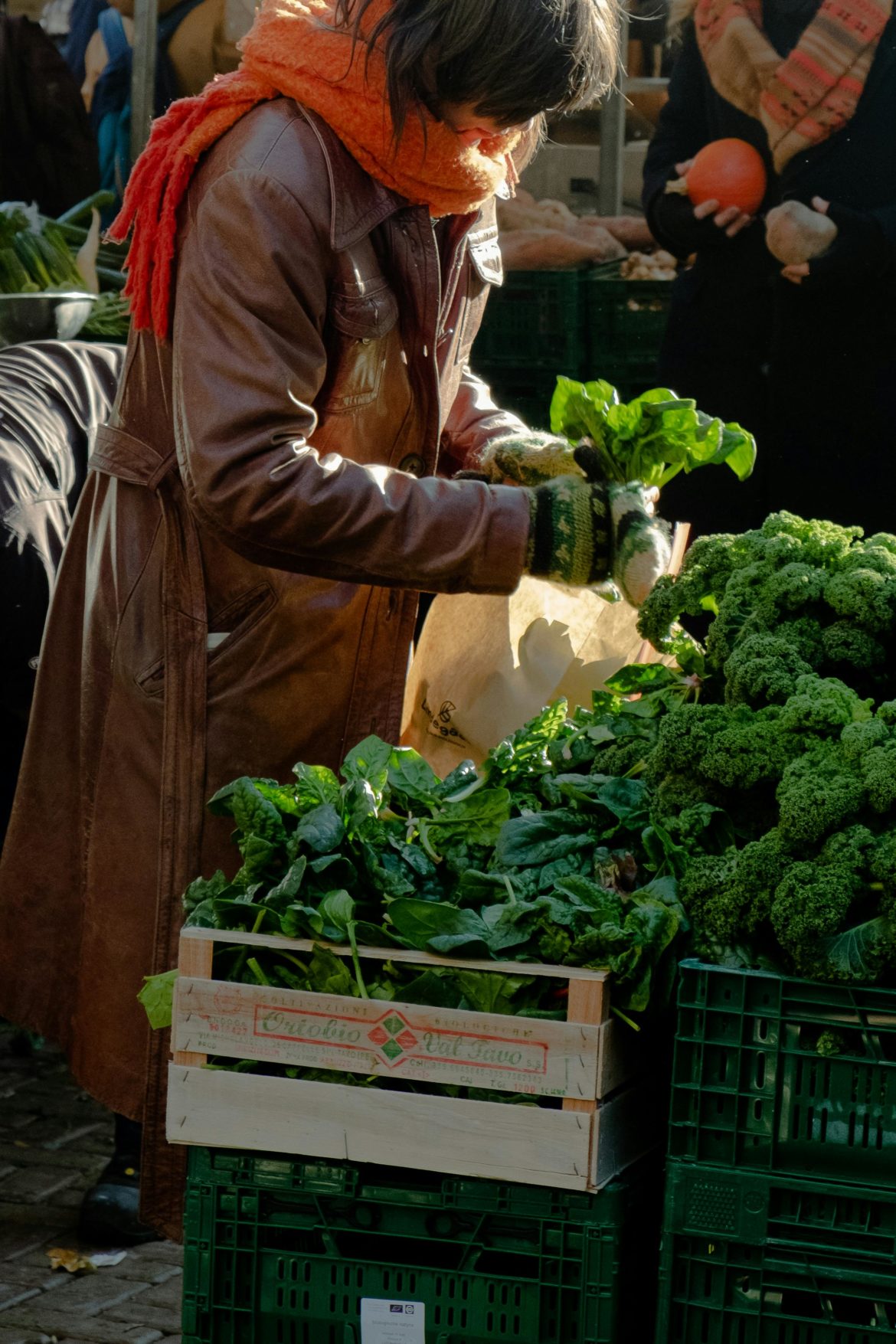
Winter produce reflects this season change beautifully — think earthy root vegetables, sturdy leafy greens, and citrus fruits that bring brightness to grey days. Eating seasonally during winter isn’t just about comfort, it’s also a way to maximise flavour, nutrition, and affordability.
Here’s your guide to the stars of winter produce — and how to use them in ways that feel fresh, modern, and far from boring.
Why winter produce deserves the spotlight
Winter fruits and vegetables are grown to withstand colder conditions, which often means they’re denser, more robust, and packed with nutrients. They also lend themselves well to slow cooking, roasting, and nourishing meals that support immunity, gut health, and overall wellbeing during colder months.
Winter vegetables to cook with
Root vegetables: Hearty and comforting
Think: Carrots, sweet potatoes, beetroot, parsnips, turnips. Root vegetables are naturally sweet and become even more flavourful when cooked.
Roast with olive oil, thyme, and a drizzle of honey for caramelised depth, blend into silky soups with warming spices like cumin or ginger, spiralise sweet potatoes or carrots for a winter take on “noodles” or grate into fritters for a crispy, comforting side.
Cruciferous vegetables: Nutrient powerhouses
Think: Broccoli, cauliflower, cabbage, Brussels sprouts.
These vegetables are rich in fibre and compounds that support hormone balance and detoxification. Roast cauliflower with turmeric and tahini for a bold, earthy dish, shred cabbage into a warm slaw with mustard dressing, char Brussels sprouts and toss with balsamic glaze and nuts or blend steamed broccoli into pesto for a nutrient-dense pasta sauce.
Leafy greens: Dark, rich, and versatile
Think: Kale, spinach, Swiss chard.
Winter greens are slightly more bitter, which makes them perfect for balancing richer meals. Sauté with garlic and lemon as a simple side, add to soups, stews, and curries for an extra nutrient boost, bake into crispy kale chips with olive oil and sea salt or fold into egg dishes like frittatas or shakshuka.
Winter fruits to brighten your plate
Citrus fruits: Zesty and immune-boosting
Think: Oranges, naartjies (mandarins), lemons, grapefruit.
Citrus fruits are at their peak in winter, bringing brightness and vitamin C when you need it most. Add orange segments to salads with roasted vegetables and feta, use lemon zest to lift soups, grains, and roasted dishes, make a simple citrus dressing with olive oil and honey or grill grapefruit halves with a sprinkle of cinnamon for dessert.
Apples and pears: Naturally sweet comfort
These fruits are perfect for baking and pair beautifully with warming spices.
Roast with cinnamon and serve over yoghurt or oats, add sliced pear to toasted sandwiches with cheese, stew apples for a simple, gut-friendly topping to toss into salads for a sweet crunch.
Avocados: Creamy winter staple
While often seen as a summer food globally, avocados are a winter highlight locally. Blend into creamy salad dressings or sauces, mash onto toast with sautéed mushrooms and greens, add to warm grain bowls for richness and balance or use in chocolate mousse for a healthier dessert twist.
Simple winter cooking techniques to master
- Roasting: Enhances natural sweetness and adds depth
- Slow cooking: Perfect for stews, soups, and casseroles
- Blending: Ideal for creamy soups and sauces without heavy cream
- Sautéing: Quick and effective for greens and lighter dishes
Bringing it all together: A seasonal bowl idea
Create a nourishing winter bowl by combining:
- Roasted root vegetables
- Sautéed kale or spinach
- A grain like quinoa or brown rice
- Fresh citrus segments
- A creamy tahini or avocado dressing
It’s balanced, warming, and packed with seasonal goodness.
Winter produce invites you to slow down in the kitchen and embrace more intentional cooking. It’s less about quick fixes and more about layering flavours, textures, and warmth. By leaning into what’s in season, you not only support your health but also create meals that feel deeply satisfying and aligned with the rhythm of the season.
Think of winter cooking as an opportunity — to nourish, to experiment, and to find comfort in simplicity done well.
ALSO SEE:
Featured Image: Pexels