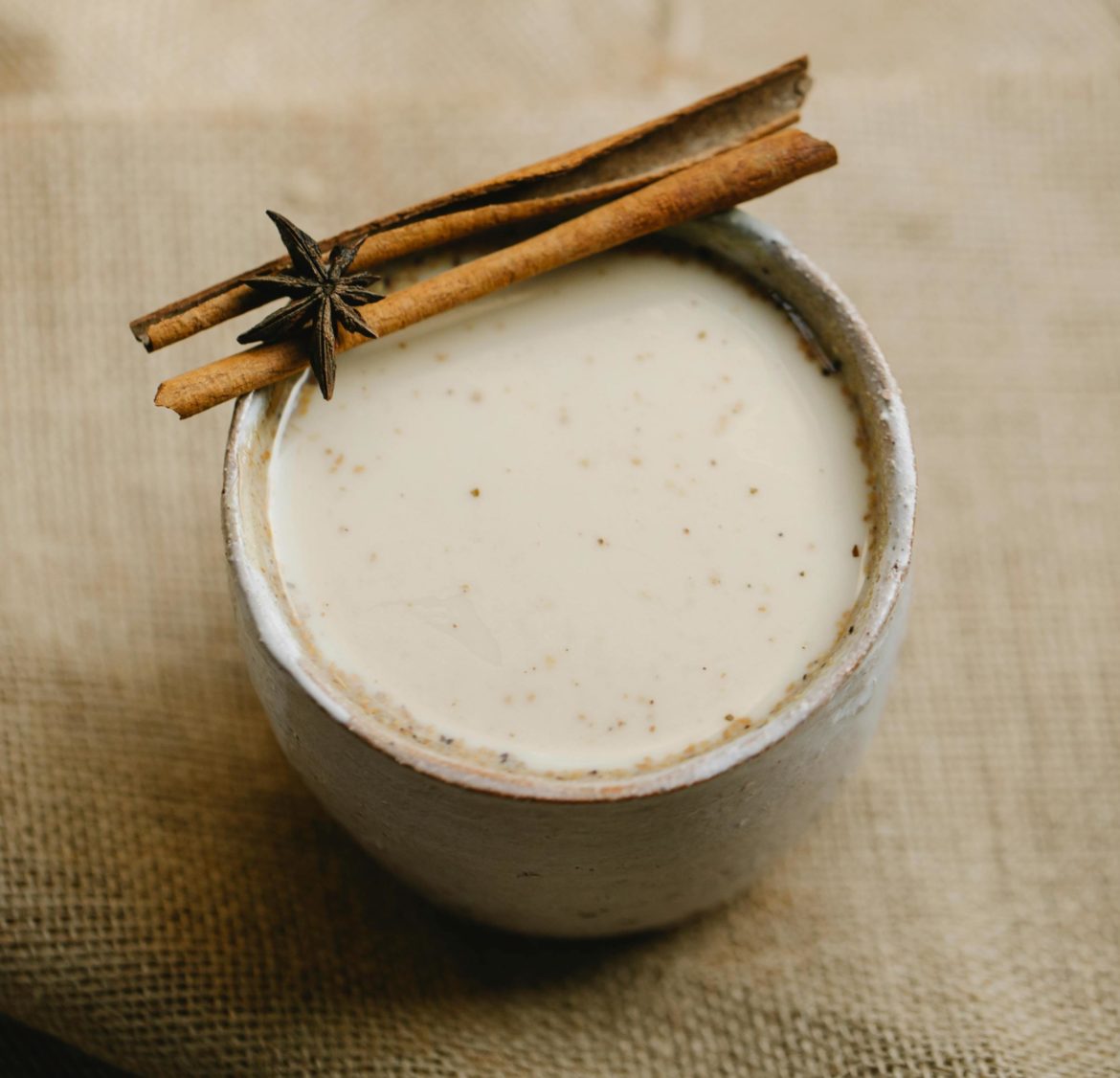
In many Cape Muslim homes, the 15th night of Ramadan is marked with a comforting and much-loved tradition: a warm bowl of boeber. Fragrant with spices, creamy with milk, and filled with vermicelli and sago, this sweet drink has long been part of Cape Malay culture.
Here’s more about the tradition and how to enjoy boeber the traditional way or with a lactose-free twist:
ALSO SEE: Suhoor that sustains: Meals to keep you full & hydrated all day
The meaning behind Boeber Night
Boeber has deep roots in Cape Malay heritage and has become a symbolic part of Ramadan in many South African communities. It is enjoyed throughout the month of Ramadan, often on Thursdays, but the specific, community-wide, ‘Boeber Night’ is a deeply cherished Cape Town tradition. It is celebrated on the 15th night of Ramadan to mark the halfway point, and is known in Cape Town as ‘die 15de Pwasa’.
Kitchens fill with the aroma of cardamom, cinnamon and rose water as families prepare large pots of the dessert to share with relatives, neighbours and friends. This is a simple gesture that reflects the spirit of generosity and connection encouraged during Ramadan, and turns the night into a warm moment of community during the holy month.
The classic way to prepare boeber
While every family has its own variation, traditional boeber follows a familiar method. Traditionally, the dessert is made with milk, vermicelli, sago pearls, sugar and aromatic spices. Some add toasted coconut, almonds or raisins for extra texture and sweetness.
Vermicelli is lightly toasted in butter until golden and fragrant. Sago pearls are soaked beforehand to soften them. Milk is then gently heated with sugar, cinnamon sticks, cardamom pods and sometimes rose water to create a fragrant base.
The vermicelli and sago are added to the milk mixture and simmered slowly until the drink thickens and becomes creamy. Finally, toppings such as toasted coconut, chopped almonds and raisins are stirred in or sprinkled on top before serving.
The result is a warm, comforting drink-dessert that carries both nostalgia and tradition in every spoonful.
Watch boeber being made by the beloved, late Fatima Sydow, who shared her Cape Malay food heritage with the world:
Making boeber lactose-free
Today, as dietary needs evolve, many households are also exploring ways to prepare boeber that everyone can enjoy, including those who are lactose intolerant. With a few simple ingredient swaps, the tradition can remain just as rich and comforting.
For those who are lactose intolerant, the traditional milk base can easily be adapted. Plant-based milks provide excellent alternatives while maintaining the creamy texture that boeber is known for. Almond milk, oat milk, soy milk or coconut milk can all be used in place of dairy milk. Coconut milk, in particular, pairs beautifully with the spices and adds a rich depth of flavour.
The cooking method remains the same. Simply substitute the dairy milk with your preferred plant-based option while preparing the vermicelli, sago and spices as usual. Some cooks also add a small amount of coconut cream to achieve a thicker consistency.
With these adjustments, the dish remains just as satisfying while being gentler on sensitive stomachs.
Adding modern twists while honouring tradition
Many home cooks are also experimenting with small variations that suit modern tastes. Some replace refined sugar with honey or date syrup for a more natural sweetness. Others add extra toasted coconut, pistachios or a hint of vanilla to enhance the flavour. These subtle updates allow families to personalise the recipe while still respecting its heritage.
Whether prepared the traditional way or with lactose-free ingredients, a pot of boeber still carries the same spirit – connection, generosity and the comforting taste of home.
ALSO SEE:
Featured Image: Pexels