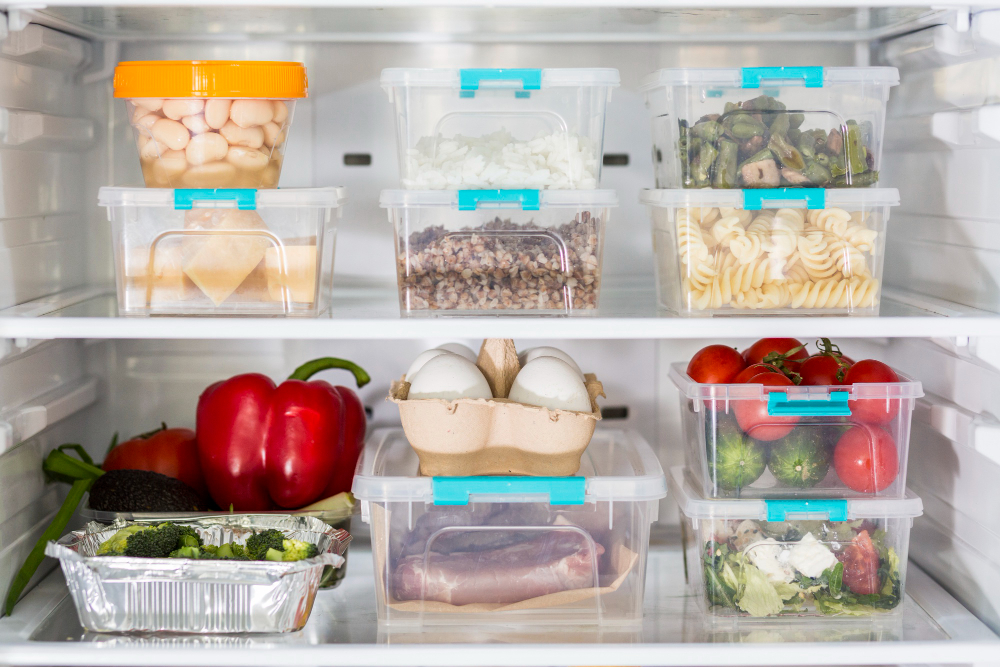
A well-organised fridge does more than keep your groceries looking neat. It helps food stay fresher for longer, reduces unnecessary waste and makes meal planning easier. Discover the common fridge organisation mistakes you could be making – and how a few simple changes can help you save food and money.
ALSO SEE: How to stock your fridge and eat like a nutritionist
Before your next grocery shop, take a closer look inside your fridge. Are leftovers hiding behind milk cartons? Are your vegetables wilting before you get a chance to use them? The way you store your food could be contributing to unnecessary waste. Here are the mistakes to avoid and how to fix them:
1. Overloading your fridge
Filling every shelf and cramming groceries into drawers might seem practical, but overcrowding can restrict cold air circulation, making it harder for your fridge to maintain a consistent temperature. Some foods may spoil faster as a result.
The fix: Leave enough space between items for air to circulate, and avoid buying more fresh produce than you can realistically use. Keep your fridge at 4°C or below to help slow bacterial growth.
2. Storing food on the wrong shelves
Not every part of your fridge maintains the same temperature. Storing foods in the wrong places can affect their freshness and safety.
The fix: Keep ready-to-eat foods and leftovers on upper shelves, raw meat and seafood in sealed containers on the bottom shelf to prevent drips contaminating other foods, and fruit and vegetables in their designated drawers. Use the door for condiments and other items that tolerate temperature fluctuations, rather than milk or other highly perishable foods.
3. Forgetting about leftovers
Out of sight often means out of mind. When leftovers are pushed to the back of a shelf, they can easily be forgotten until they’re no longer safe to eat.
The fix: Store leftovers in clear, airtight containers and label them with the date. Keep older items towards the front so they’re easier to spot and use first. Refrigerate perishable food promptly, ideally within two hours, and generally eat refrigerated leftovers within three to four days.
4. Washing fruit and vegetables too early
Washing all your fresh produce as soon as you get home may feel like a great meal-prep shortcut, but excess moisture can encourage mould and spoilage in some fruit and vegetables.
The fix: Unless you’re preparing produce for immediate use, wash it just before eating or cooking. Store leafy greens and other moisture-sensitive produce in suitable containers, using paper towel where appropriate to absorb excess moisture. Remember that different fruits and vegetables have different storage needs.
5. Ignoring the temperature
A fridge that isn’t cold enough can allow harmful bacteria to multiply, while freezing temperatures in certain areas can damage delicate produce.
The fix: Use a fridge thermometer to check that the temperature stays at 4°C or below. Avoid leaving the door open for long periods, and check that the door seals properly. If your fridge has adjustable temperature settings, consult the manufacturer’s guidance.
6. Treating the fridge door like extra shelf space
The fridge door is convenient for frequently used items, but it is also exposed to temperature changes every time the door opens. Storing sensitive foods here can shorten their usable life.
The fix: Reserve the door for condiments, sauces and other products suited to door storage. Keep milk, eggs and other highly perishable foods on the main shelves, following the storage instructions on their packaging.
7. Ignoring expiry dates and food labels
Buying groceries without checking what you already have can lead to duplicates, forgotten ingredients and unnecessary waste. Confusing date labels can also result in food being thrown away prematurely.
The fix: Rotate your groceries by moving older products to the front and newer ones to the back. Pay attention to the difference between use-by and best-before dates: use-by dates relate to safety, while best-before dates generally indicate quality. Always follow the product’s storage instructions and discard food that is unsafe.
Make your fridge work smarter
A little organisation can go a long way towards keeping your groceries fresher and your food budget in check. Set aside five minutes each week to check what needs using, wipe up spills, review leftovers and plan meals around ingredients you already have.
Ready to waste less? Start with one shelf today. You might be surprised by how much food – and money – you can save simply by giving your fridge a little attention.
ALSO SEE:
Featured Image: Magnific