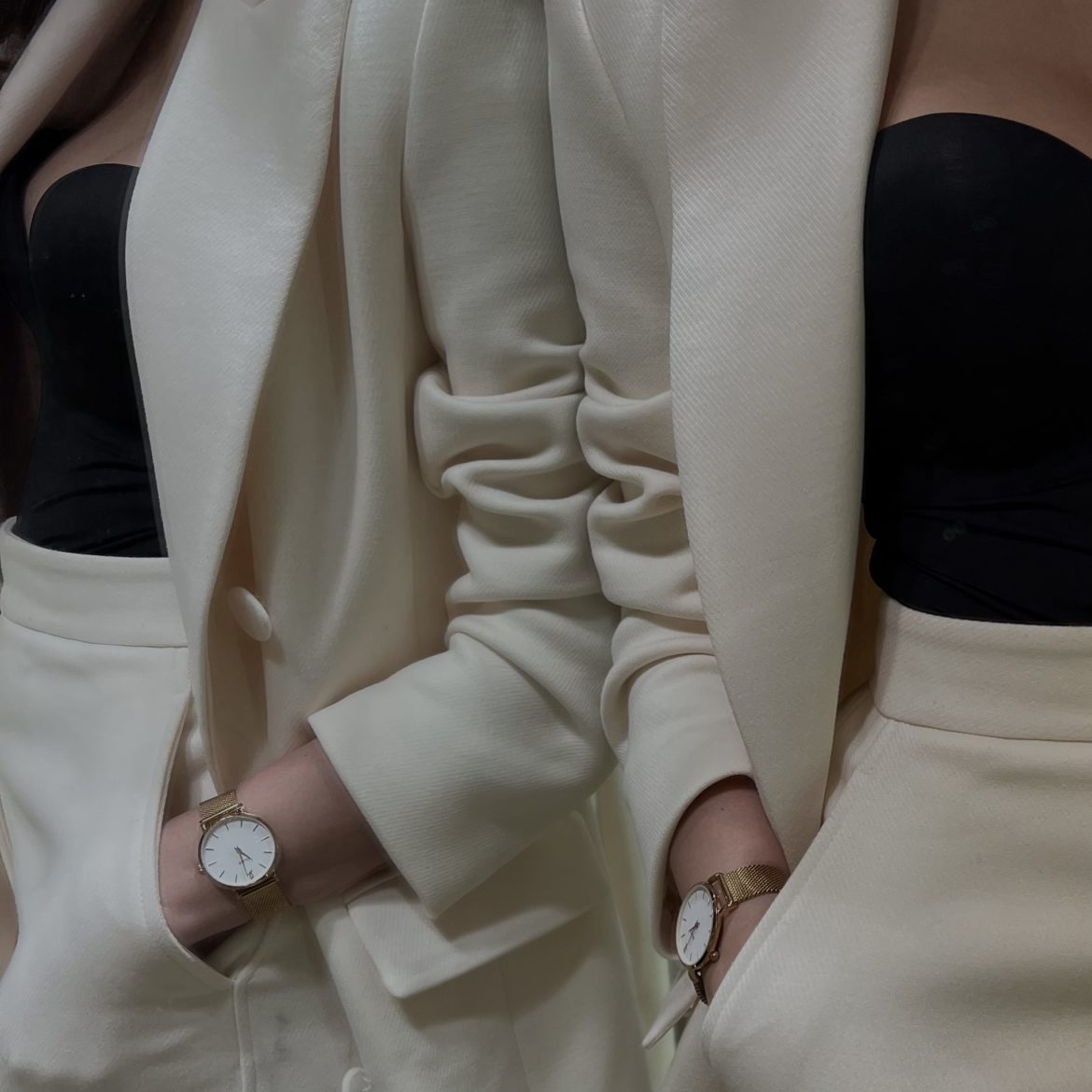
For decades, the word “flattering” has been one of fashion’s most commonly used descriptors. From magazine editorials to shopping guides and dressing room conversations, the term has been presented as the ultimate goal – find clothes that are “flattering” to your body. But in a fashion landscape that increasingly celebrates individuality, inclusivity, and self-expression, the word is beginning to feel outdated and perhaps even limiting.
It may be time for the fashion industry to retire it altogether.
The hidden message behind “flattering”
On the surface, the word seems harmless. When someone says a dress is flattering, they usually mean it highlights someone’s best features or creates a pleasing silhouette. However, the term quietly reinforces a deeper idea, that certain body shapes are more acceptable than others, and that clothing should primarily work to disguise, minimise, or correct the body.
Historically, “flattering” fashion advice often translated to rules such as – wear black to look slimmer, choose A-line dresses to hide hips, avoid horizontal stripes, or emphasise the waist to create an hourglass figure. These rules were built around a narrow ideal of what the “right” body shape should be.
In other words, clothing wasn’t meant to express style – it was meant to fix the body.
Fashion has changed, but the language hasn’t
Over the past decade, the fashion industry has made visible progress in celebrating diversity in body shapes, sizes, and identities. Runways feature a wider range of models, brands are expanding size ranges, and social media has empowered individuals to define style on their own terms.
Yet the language surrounding fashion advice hasn’t evolved at the same pace.
Many shopping guides still revolve around “dressing for your body type” and finding silhouettes that are most flattering. While the intention may be helpful, it subtly suggests that the primary purpose of clothing is to visually alter the body rather than to reflect personality, mood, or creativity.
In a world where fashion is increasingly about expression, the concept of flattering can feel unnecessarily restrictive.
It prioritises appearance over experience
Another issue with the word is that it places appearance above all else. A garment might be described as flattering because it makes someone appear slimmer, taller, or more proportioned – but this says nothing about how it feels to wear.
Does it allow you to move comfortably?
Does it make you feel confident?
Does it align with your personal style?
A perfectly “flattering” dress that feels restrictive or uninspiring ultimately misses the point. Clothing should support how we live, move, and express ourselves – not just how we appear in photos.
Personal style isn’t about optical illusions
One of the most exciting aspects of modern fashion is the shift toward individuality. Personal style is no longer about following strict rules or achieving a specific silhouette. Instead, it’s about experimenting with shape, proportion, colour, and texture in ways that feel authentic.
Oversized tailoring, exaggerated silhouettes, and unconventional proportions are all popular precisely because they challenge traditional ideas of what is considered flattering. These designs aren’t trying to sculpt the body into a specific form – they’re playing with shape as an artistic element.
When fashion becomes about creativity rather than correction, the word flattering starts to lose its relevance.
What should replace it?
Retiring the word flattering doesn’t mean abandoning helpful style guidance. Instead, it invites a shift in how we talk about clothing and bodies.
Rather than asking whether something is flattering, we might ask:
- Does this piece reflect your style?
- Does it feel comfortable and empowering?
- Does it create a silhouette you enjoy?
- Does it bring you joy when you wear it?
These questions centre the wearer’s experience rather than imposing external ideals.
A more inclusive fashion vocabulary
Language shapes how we think about ourselves. When fashion consistently frames clothing in terms of flattering the body, it reinforces the idea that the body is a problem to solve.
Moving away from that language allows space for a more inclusive and liberating approach to style – one where bodies aren’t corrected or concealed, but simply dressed.
After all, the best outfit isn’t necessarily the one that makes you look different.
It’s the one that makes you feel most like yourself.
ALSO SEE:
How to look taller, slimmer and instantly chic with column dressing
Featured Image: DupePhoto