The name alone should give you a sense of the aesthetic. Gorpcore takes its first syllable from GORP, the trail mix acronym for Good Old Raisins and Peanuts, that staple snack of hikers everywhere. The core suffix places it alongside other aesthetic labels of the internet era. Put together, it describes something that manages to be both specific and oddly perfect: functional outdoor gear, worn entirely on purpose, in entirely non-outdoor situations.
It is the trend that has you wearing a Gore-Tex shell to brunch, trail runners to the office, and cargo pants to a dinner reservation. And somewhat against expectations, it has not only lasted but matured. In 2026, gorpcore is less a niche fashion statement and more a dominant design philosophy, with a global market valued at nearly five billion dollars and runway appearances at Prada, Miu Miu and Louis Vuitton. Here is what it is, where it came from, and how to do it without looking like you accidentally wandered into the city from a camping trip.
Where it came from
The term was coined in 2017 by The Cut, which used it to describe the rising presence of outdoor brands in urban fashion contexts. Patagonia fleeces, The North Face puffers and Salomon trail runners were appearing on people who had no intention of getting anywhere near a mountain, and the resulting aesthetic was too specific to go unnamed.
The trend drew on a longer history: outdoorsy, functional dressing had been present in streetwear and workwear for decades, from Carhartt’s crossover from worksite to urban staple to the enduring cultural presence of the hiking boot. What gorpcore did was name and accelerate a shift that was already underway, and the pandemic gave it a significant push: when outdoor activity became one of the few socially sanctioned forms of exercise and recreation, the clothes associated with it gained a new kind of cultural legitimacy.
What it actually looks like
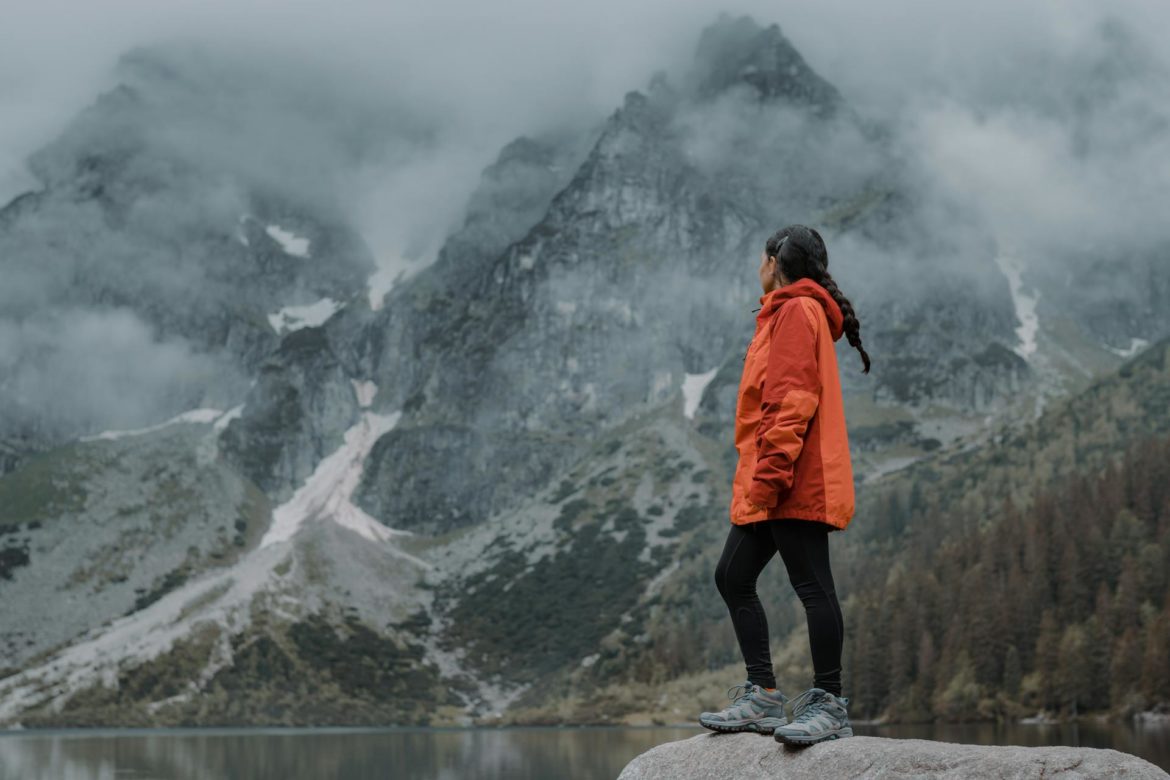
The core vocabulary of gorpcore is built around technical outerwear, utility bottoms, performance footwear and layering. A waterproof or windproof shell jacket is the anchor piece. Around it: fleece midlayers, cargo trousers or relaxed technical pants, hiking boots or trail runners, and practical accessories like clip-on bags, bucket hats and technical socks worn with intention rather than hidden away.
The colour palette runs to earth tones, olive, sand, charcoal, deep green and brown, interspersed with the occasional bright technical accent. It is not a head-to-toe black aesthetic, nor is it the neon visibility-gear look of peak outdoor activity. It sits somewhere between the two: muted, layered, practical-looking in a way that is clearly considered.
In its 2026 form, gorpcore has softened and refined. The most current expression is less about stacking the most technical pieces in the most conspicuous way and more about subtle integration: a trail runner with straight-leg denim, a shell jacket worn over a midi skirt, an organic cotton outdoor tee tucked into relaxed trousers. The function is still there. The performativity has quietened.
How to incorporate it without going full mountain rescue
The most reliable approach is to build around one strong anchor piece and let everything else remain relatively conventional. A properly technical jacket, the kind with real weather protection rather than just an outdoorsy silhouette, worn over otherwise simple clothes, introduces gorpcore without requiring a complete wardrobe overhaul. Trail runners with jeans or tailored trousers are possibly the easiest entry point: functional, widely available and genuinely comfortable. The footwear does significant aesthetic work without asking the rest of the outfit to do anything unusual.
The high-low contrast that makes gorpcore most interesting is the styling approach worth borrowing most directly. A technical shell over a silk slip dress. Hiking boots with a tailored coat and wide-leg trousers. A fleece zipped over a blazer. These combinations register as intentional rather than accidental, which is the entire point. The outdoor piece provides the utility and the cultural reference; the more dressed-up element prevents the look from reading as functional dressing by default.
Layering is both a practical and an aesthetic principle in gorpcore. A shell over a midlayer fleece over a base layer is not just a response to unpredictable weather: it creates the structured, dimensional silhouette that characterises the aesthetic at its best. In warmer climates, lighter technical fabrics, merino wool, breathable woven nylons, and moisture-wicking base layers achieve the same visual logic without the thermal weight.
Why it has lasted
Fashion trends built on aesthetics alone tend to cycle out. Gorpcore has lasted because it is built on something more durable: the actual performance advantages of the clothes. Technical fabrics genuinely outperform fashion equivalents in comfort, weather resistance and longevity. Trail runners are better for your feet than flat-soled fashion shoes. A well-made shell jacket from an outdoor brand will outlast multiple seasons of trend-led outerwear.
The sustainability dimension has also given gorpcore a values alignment that other trends lack. Durability over disposability, functional investment over fast fashion, clothes that perform rather than merely signal: these align naturally with a growing consumer preference for buying less and buying better. The aesthetic and the ethics point in the same direction, which is a rare combination in fashion and part of what gives the trend its staying power.
ALSO SEE:
Featured Image: Pexels