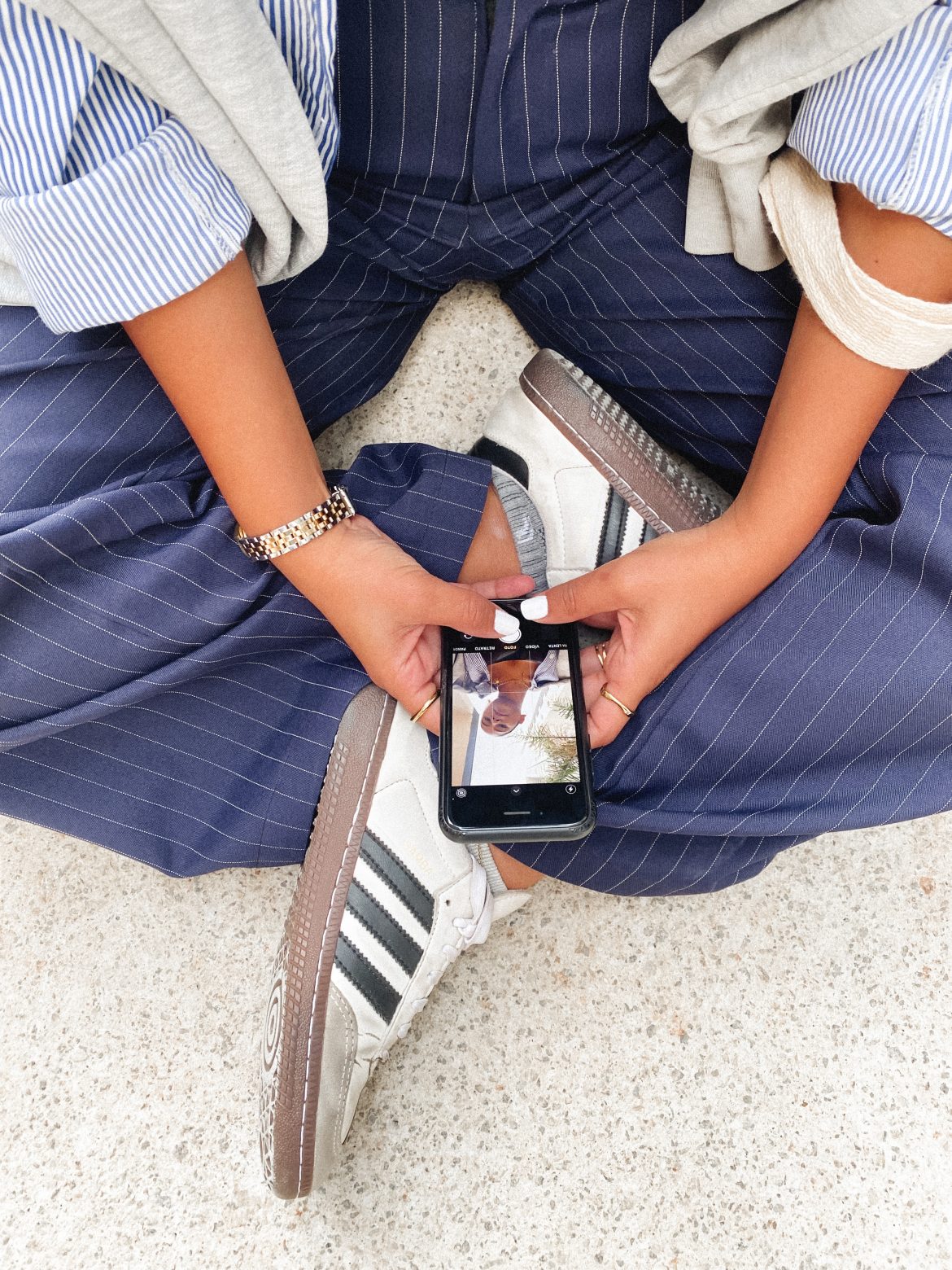
Fashion has always reflected the world around it. But in the last decade, one thing has reshaped it more radically than trends, designers, or even decades before it: social media.
What we wear today is no longer dictated solely by runways, magazines, or seasonal lookbooks. Instead, it’s shaped by algorithms, aesthetics, and the scroll. Social media hasn’t just changed how we dress — it’s transformed how we consume, interpret, and value fashion altogether.
From runway authority to algorithm influence
Once upon a time, fashion trends trickled down from designers, editors, and fashion houses. Today, they surface everywhere at once. TikTok, Instagram, and Pinterest have flattened the hierarchy, allowing anyone with a phone and a point of view to influence what’s “in.”
Micro-trends can rise and fall within weeks. A single outfit video can spark a global obsession overnight. The algorithm, not the atelier, now decides what gains visibility – and longevity.
This shift has made fashion feel more democratic, but also more chaotic. Trends move faster than ever, leaving little room for evolution or personal interpretation.
The rise of the aesthetic era
Social media has turned fashion into a visual language of identities. We no longer just get dressed – we curate a vibe.
“Clean girl,” “coastal grandmother,” “old money,” “that girl,” “mob wife.” These aesthetics are more than trends, they’re mood boards for lifestyles we want to embody. Clothing has become shorthand for who we are or who we want to be perceived as.
While this has empowered self-expression, it has also boxed style into categories, sometimes limiting individuality in favor of fitting a digital narrative.
Outfit first, occasion second
Social media has flipped the way we approach getting dressed. Instead of dressing for real life, many of us dress for content.
Outfits are planned around photos, lighting, and shareability. We ask:
- Will this photograph well?
- Does it match my grid?
- Is it on trend right now?
Fashion has shifted from function to performance. Clothes aren’t just worn — they’re staged.
The speed of consumption
Fast fashion existed before social media, but platforms have accelerated the cycle to an almost unsustainable pace. Seeing constant “newness” online creates a sense of urgency — the fear of being outdated, behind, or irrelevant.
Trends now have expiration dates measured in days, not seasons. This has changed how we shop, often prioritising quantity over longevity and novelty over personal style.
At the same time, social media has sparked a counter-movement. Outfit repeating, capsule wardrobes, thrift shopping, and slow fashion storytelling. The same platforms pushing consumption are also questioning it.
Fashion as conversation, not instruction
Perhaps the most powerful shift social media has brought is dialogue. Fashion is no longer something we’re told to wear — it’s something we discuss, debate, remix, and redefine in real time.
We talk openly about:
- Sustainability
- Body diversity
- Trend fatigue
- Personal style over perfection
Fashion has become more emotional, more personal, and more political. It reflects values, not just taste.
So where does that leave us?
Social media has made fashion faster, louder, and more accessible — but also more overwhelming. It has blurred the line between inspiration and pressure, creativity and comparison.
The challenge now isn’t keeping up. It’s slowing down enough to ask:
Do I actually like this — or do I just see it everywhere?
In a world where trends are constant, personal style has become the quiet luxury. The most powerful way to engage with fashion today isn’t by chasing the algorithm — it’s by choosing intention over imitation.
Because fashion may live online now, but style still lives in real life.
ALSO SEE:
Featured Image: DupePhoto