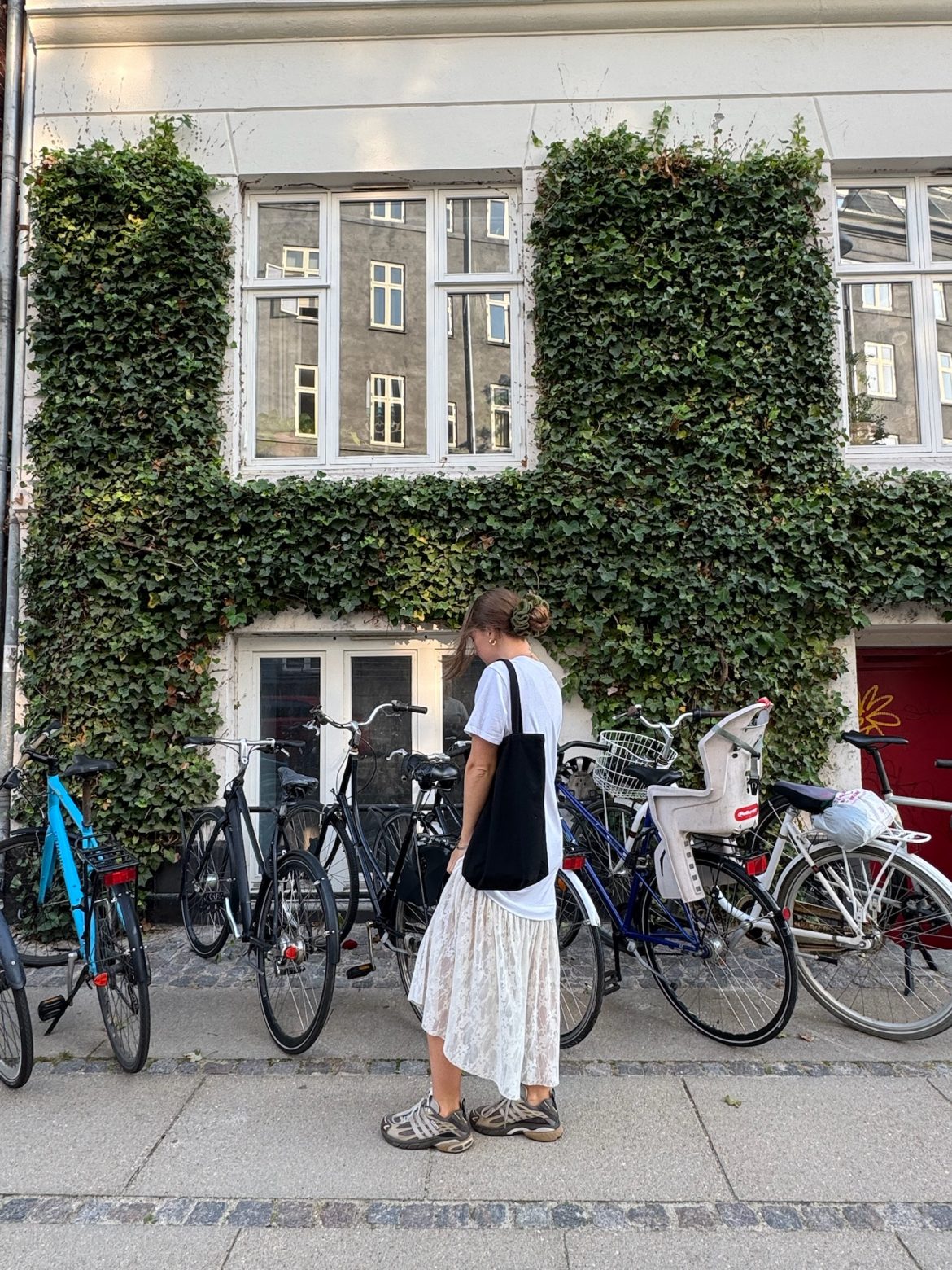
Summer used to be simple. We packed linen dresses, light tees, and sandals, and headed out into predictable sunshine. But with climate change bringing more intense heat waves, unpredictable weather, and seasons that don’t act like they used to, summer fashion is evolving — quickly.
Fashion is always about aesthetics and self-expression, but in today, it’s also about function, comfort, environmental impact, and adaptability.
The rise of functional fabrics
Heat waves aren’t a rare occasion anymore — they’re a season. That means breathable, moisture-wicking, and cooling fabrics are rising to the top of summer wardrobes.
Materials originally developed for athletics like moisture-wicking polyester blends and engineered mesh — are now common in everyday summer clothes. These help regulate body temperature and keep us comfortable even when the mercury soars.
But not all synthetics are created equal. The smart ones blend performance with sustainability, reusing materials and minimizing environmental cost.
Natural fibers that keep you cool
For decades, classics like cotton and linen dominated summer fashion — and for good reason. But with climate change intensifying heat and humidity, designers and conscious consumers are rediscovering which natural fabrics truly work best for hot weather.
Linen
An old favorite for a reason. Linen’s open weave and natural breathability make it perfect for muggy days. Plus, it’s strong, biodegradable, and often requires less water and fewer chemicals to grow compared with cotton.
Organic cotton
Regular cotton can be resource-intensive. But organic cotton, grown without synthetic pesticides and fertilizers, is becoming a summer staple. It feels soft, breathes well, and now carries a more meaningful eco-impact.
Hemp
Soft, breathable, and extremely durable, hemp is enjoying a renaissance. It uses less water than cotton, grows quickly without pesticides, and has a low environmental footprint. It’s ideal for loose tops, trousers, and even summer dresses.
Cooling innovations: From yarn to finished garment
New technology is blending fashion with environmental responsibility:
Ice-fiber finishes
Some garments now use “cooling” treatments — mineral-infused finishes that reflect heat and speed evaporation. While we always want chemicals to be safe and non-toxic, many brands are starting to use natural mineral blends instead of harsh synthetics.
Tencel & lyocell
These plant-based fibers (made from sustainable wood pulp) are soft, breathable, and moisture-absorbing — making them perfect for summer shirts, dresses, and skirts. They’re produced in closed-loop systems that recycle water and solvents, reducing their environmental footprint.
Why sustainability matters now more than ever
Climate change isn’t just making summers hotter — it’s forcing us to reconsider where our clothes come from and what they cost the planet. The fashion industry has historically been one of the biggest polluters, and summer garments (with their large reliance on cotton and synthetic fibers) have often contributed to water use, chemical runoff, and microplastic pollution.
So this season’s spotlight on sustainable fabrics isn’t just a trend—it’s a responsibility.
Lower water usage
Fabrics like hemp, linen, and organic cotton reduce water consumption compared with conventional farming and processing.
Reduced chemical use
Sustainable fibres often avoid pesticides, herbicides, and toxic dyes.
Circular fashion
Recycled fibres like post-consumer recycled polyester made from plastic bottles, give waste a second life and keep new materials from being extracted.
Fashion with purpose
Climate change isn’t stopping summer — but it is shifting how we dress for it.
Today’s summer fashion isn’t just about looking good in the sun. It’s about staying cool on hotter days, choosing fabrics that protect our bodies and the planet, and making mindful decisions with our wallets.
We’re moving from fast fashion to forever fashion — pieces that aren’t just seasonal, but sustainable, wearable, and adaptable to the new climate reality.
Because when the world heats up, fashion can either heat up the problem — or help cool it down. Which side will your wardrobe be on this summer?
ALSO SEE:
Featured Image: DupePhoto