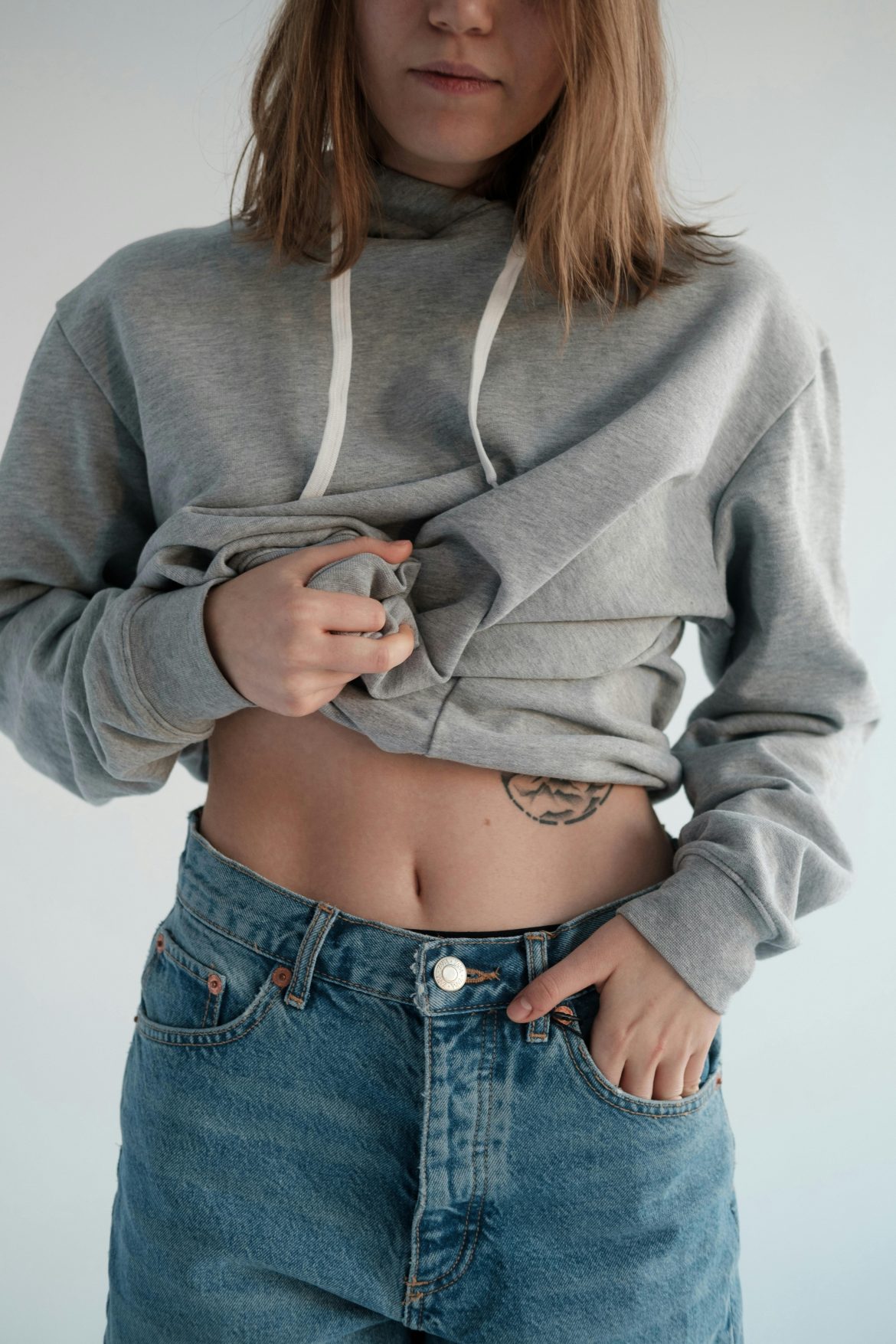
If you live with endometriosis, you may know the term “endo belly” all too well. Abdominal swelling can appear quickly and feel painful, tight and tender. By mid-afternoon, clothes that fit perfectly in the morning can suddenly feel restrictive.
Bloating linked to endometriosis is not imagined. It can be driven by inflammation, hormonal shifts, bowel involvement and fluid retention. On flare-up days, getting dressed becomes less about trends and more about comfort. The key is finding ways to protect your abdomen without sacrificing confidence.
Why flare-day dressing matters
During a flare, the abdomen can feel hypersensitive. Tight waistbands and rigid fabrics can worsen discomfort by compressing tissue that is already inflamed. Clothing that adapts to your body, rather than fighting it, can reduce physical pressure and ease the mental stress of feeling restricted.
Your wardrobe does not need a total overhaul. It just needs a few strategic adjustments.
Choose soft, flexible waistlines
The most important rule on flare days is to avoid rigid compression. Look for elasticated waistbands, drawstring trousers, soft jersey fabrics and wrap or adjustable styles.
A wide, gentle waistband can provide light support without digging in. Some people find mid-rise cuts more comfortable than ultra high-rise styles during severe bloating. If you prefer denim, opt for relaxed or straight-leg fits with stretch rather than stiff, structured jeans.
Embrace movement, not shapelessness
Reaching for oversized pieces can feel instinctive, but drowning in fabric can sometimes heighten self-consciousness. Instead of hiding, aim for balance.
Pair a loose blouse with tailored trousers that have stretch. Choose A-line or empire-line dresses that skim over the abdomen rather than cling to it. Structured shoulders or subtle tailoring through the upper body can create shape while allowing softness through the waist.
Empire silhouettes are especially helpful because they draw the eye upwards and give the midsection room without looking oversized.
Prioritise breathable fabrics
Inflamed tissue is sensitive to heat and friction. Natural, breathable fabrics such as cotton, bamboo, modal and linen blends can feel significantly more comfortable than synthetics that trap warmth.
Soft knits and fluid weaves reduce irritation and move with your body as it changes throughout the day.
Use layering to your advantage
Layering creates visual structure without pressure. A lightweight cardigan, open shirt or longline blazer introduces vertical lines that elongate the frame and shift attention away from the midsection.
A simple combination, such as wide-leg trousers with stretch, a tucked-in T-shirt and an open blazer can feel polished while remaining comfortable.
Build a small flare-day capsule
Having a few reliable pieces reserved for bloating can remove the stress of getting dressed when you are already uncomfortable. This might include an elasticated midi skirt, a soft jumpsuit with stretch, relaxed tailoring with hidden elastic, or a forgiving knit dress.
When your abdomen fluctuates in size during the day, adaptable clothing makes a noticeable difference.
Be cautious with shapewear
Firm shapewear can worsen pain and restrict digestion during a flare. If you prefer a smoothing layer, choose seamless, non-compressive options that stretch easily and do not grip tightly at the waist.
Support should feel gentle, not restrictive.
Do not overlook footwear
Endometriosis flare-ups can bring fatigue and lower back discomfort. Very high or unstable heels can increase strain and affect posture. Supportive trainers, loafers or cushioned boots can ease tension and make long days more manageable.
Comfort and confidence can coexist
Sudden body changes can be emotionally challenging. Flare-up dressing is not about hiding or giving up on style. It is about responding to what your body needs in that moment.
Choosing soft waistlines and breathable fabrics is not a style failure. It is practical self-care. When your body feels less compressed and safer, stress levels may ease slightly too.
When to speak to a doctor
Mild bloating around your period can be normal. However, seek medical advice if you experience severe or persistent abdominal swelling, pain that disrupts daily life, bloating alongside bowel or urinary symptoms, or sudden changes in your cycle. Endometriosis can take time to diagnose, and early evaluation is important.
Dressing for endometriosis flare-ups is about working with your body, not against it. Soft waistbands, breathable fabrics and strategic layering can make difficult days feel more manageable.
Your wardrobe can adapt, even when your symptoms feel unpredictable.
ALSO SEE:
Featured Image: Pexels