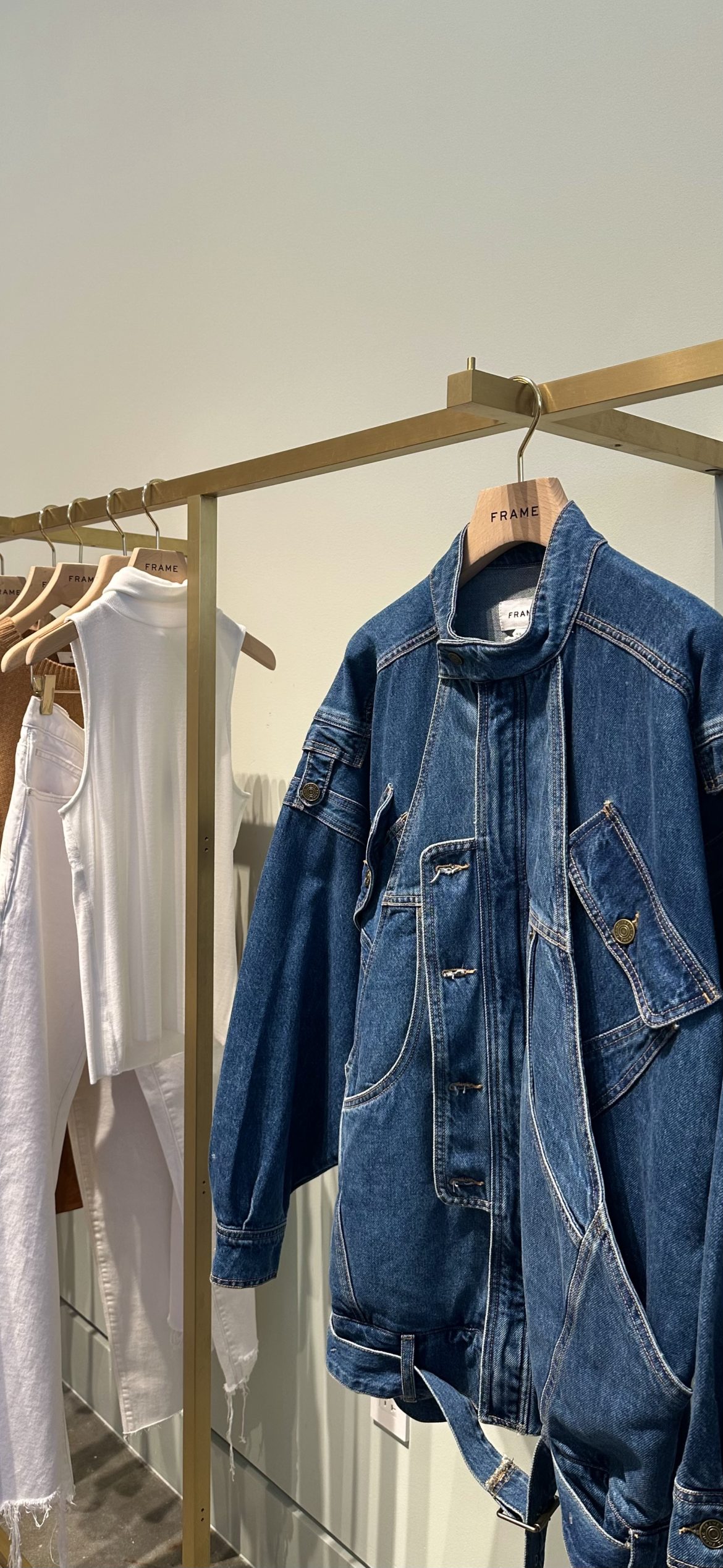
Fashion has always evolved quickly, but in the era of social media and hyper-accelerated trend cycles, it feels like trends now move at lightning speed. What was fashionable last month can feel outdated just weeks later. Enter the era of micro-trends – ultra-specific styles that explode online, dominate social feeds briefly, and disappear just as quickly.
From coastal cowgirl and clean girl aesthetic to ballet-core, tomb wife, and office siren – these niche aesthetics have become the new fashion currency. But as fun as they are, many fashion lovers are starting to question whether micro-trends are quietly draining our bank accounts—and our creativity.
The rise of the micro-trend machine
Micro-trends thrive in the digital age because social media rewards novelty. Platforms rapidly amplify aesthetics that feel new, clickable, and visually distinct. A single viral video can spark an entire trend cycle overnight.
Brands have quickly adapted to this pace. Fast fashion retailers can now produce and distribute new items within weeks, meaning the moment a trend gains traction online, it’s already available to purchase.
This speed creates a constant pressure to keep up. Instead of investing in pieces that last for years, consumers are encouraged to buy items that might only feel relevant for a few weeks.
The result is a wardrobe filled with pieces tied to fleeting aesthetics rather than personal style.
When trends start hurting our wallets
Individually, most micro-trend purchases seem harmless. A pair of ballet flats here, a sheer skirt there, maybe a statement hair bow to complete the look. But collectively, these purchases add up quickly.
Unlike timeless wardrobe staples – such as a well-cut blazer, classic denim, or a quality trench coat – micro-trend pieces often have a short lifespan. Once the trend fades, the item suddenly feels harder to wear or style.
Many people end up with wardrobes full of “trend relics” items that felt essential at the time but now rarely leave the closet.
The financial impact becomes especially noticeable when trends change every few weeks. Instead of refreshing a wardrobe seasonally, consumers feel nudged to shop constantly.
The creativity paradox
Ironically, while micro-trends promise individuality and aesthetic expression, they can actually make fashion feel more repetitive.
Scroll through social media and you’ll often see thousands of people wearing nearly identical outfits under the same aesthetic label. The same shoes, the same silhouettes, the same accessories.
Fashion becomes less about personal interpretation and more about replicating a specific look.
This is where the boredom creeps in. When trends become formulaic, styling loses its spontaneity. The excitement of discovering a unique outfit combination is replaced by copying a pre-packaged aesthetic.
In other words, the more trends we follow, the less creative fashion can start to feel.
Why micro-trends feel so addictive
Part of the reason micro-trends are so hard to resist is psychological. They create a sense of cultural participation. When you buy into a trend, you’re not just purchasing clothing – you’re joining an aesthetic moment.
There’s also a powerful element of FOMO (Fear Of Missing Out). When a trend dominates your feed, it can feel like everyone else is participating except you.
Fashion has always been social, but the constant visibility of online style means trends now feel almost unavoidable.
The return of personal style
Interestingly, many fashion insiders are predicting a shift away from micro-trends toward something slower and more intentional.
Instead of chasing every aesthetic that pops up online, more people are starting to focus on wardrobe longevity and personal identity.
This means investing in pieces that reflect how you actually live and dress rather than what’s trending that week. Vintage shopping, tailoring, and capsule wardrobes are all gaining renewed attention as a result.
Fashion is starting to swing back toward individuality—where trends are inspiration, not instructions.
How to enjoy trends without overspending
Micro-trends don’t have to be the villain of fashion. They can be playful and inspiring when approached with a little strategy.
One way to experiment without overspending is through accessories. Trying a trend through a bag, scarf, or pair of sunglasses allows you to participate without committing to a full wardrobe overhaul.
Another approach is to pause before buying. Ask yourself whether you would still wear the item six months from now – or if it only feels appealing because it’s everywhere online.
Sometimes simply recreating a trend using pieces you already own can be just as satisfying.
The real luxury: Dressing like yourself
In a world of constant aesthetics and trend churn, the most refreshing thing you can wear might actually be your own personal style.
Fashion becomes far more interesting when it’s rooted in individuality rather than algorithms. And ironically, the outfits that feel the most timeless are often the ones that weren’t chasing a trend at all.
Micro-trends may continue to dominate our feeds, but they don’t have to dominate our wardrobes – or our wallets.
Because the real question isn’t just whether micro-trends are making us broke.
It’s whether they’re making fashion less fun.
ALSO SEE:
Clothing mistakes that make you look older – and chic alternatives
Featured Image: DupePhoto