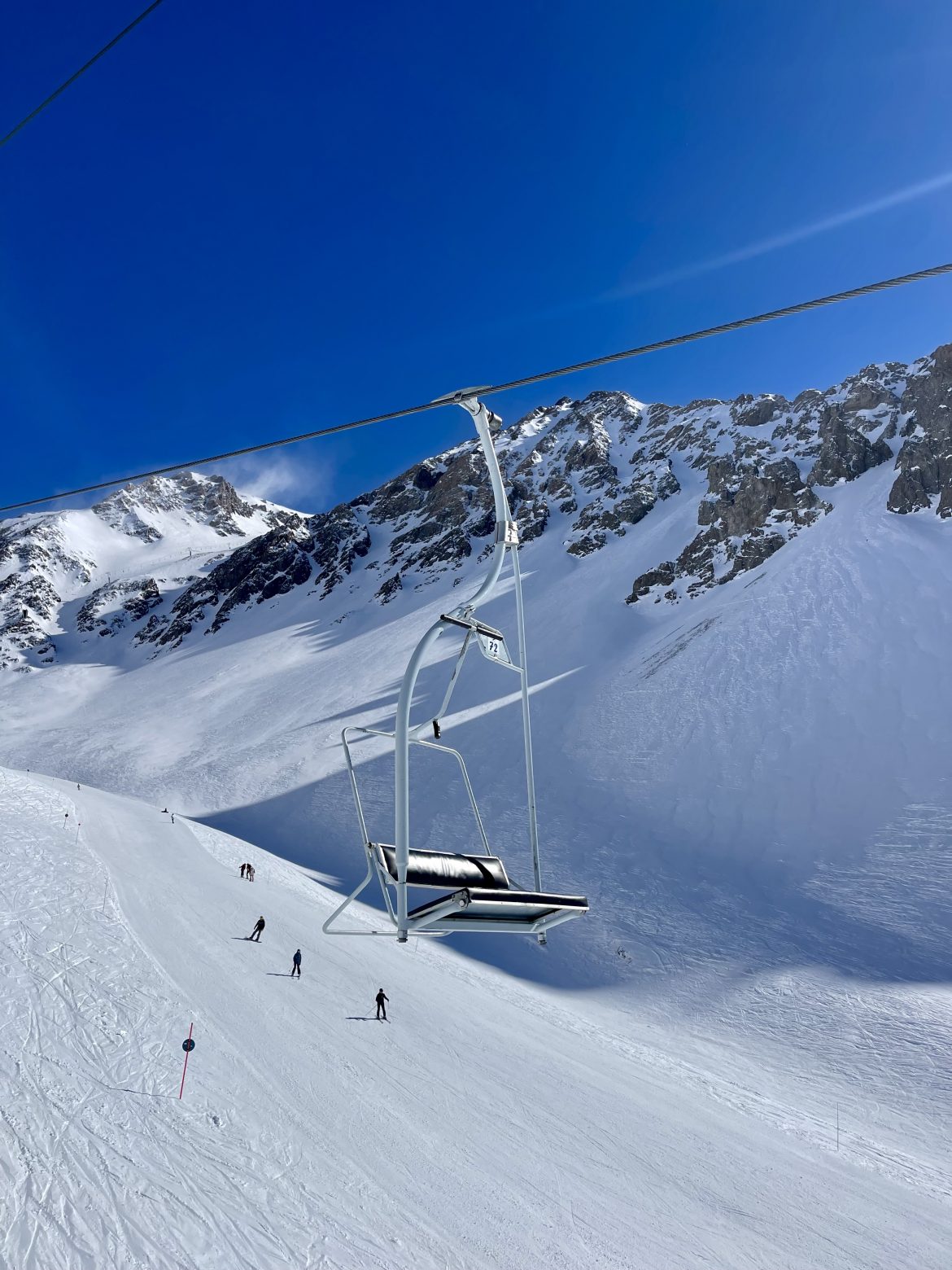
There’s something breathtakingly cinematic about a ski holiday. Snow-dusted mountains. Crisp air. Mornings that begin in thermals and end in a hot bath. But beyond the aesthetic of snowy Instagram grids and après-ski glamour, what is it actually like?
Whether you’re heading to the Alps, North America, or Japan, here’s what you can truly expect — physically, practically and emotionally — when booking that winter escape.
The landscape will take your breath away (Literally and figuratively)
Whether you’re in Chamonix-Mont-Blanc, Zermatt, Aspen, or Niseko, mountain landscapes have a way of humbling you.
Expect towering peaks that make you feel small (in the best way), air so fresh it almost feels sharp in your lungs and a slower pace — mountain towns run on ski time, not city time.
Altitude is real. You may feel slightly breathless or tired on your first day. Hydrate more than you think you need to, and take it easy while adjusting.
Skiing is harder than it looks (At first)
Even if you’re fit, skiing uses muscles you rarely activate — particularly your inner thighs, glutes and core.
Your first lesson will likely involve learning how to clip into bindings, mastering the “pizza” (snowplough) position and falling. A lot.
And that’s completely normal.
The learning curve can feel steep (pun intended), but most beginners experience a breakthrough moment on day two or three. Suddenly, your body understands the rhythm. The fear softens. You glide instead of panic.
If you’re someone who values movement that feels empowering rather than punishing, skiing can become deeply addictive.
The fashion is functional first — But still chic
Let’s talk about the wardrobe. A ski holiday is one of the few places where performance and style genuinely meet.
Expect to wear thermal base layers (non-negotiable), waterproof ski pants, a proper insulated jackets well as goggles and gloves.
But the off-slope moments? That’s where you can lean into the aesthetic. Think soft knits, shearling boots, oversized scarves and structured sunglasses.
The key is layering. Mountain weather changes quickly, and comfort will always trump aesthetics when you’re cold.
Après-ski is a whole culture
Après-ski isn’t just drinks after skiing — it’s a ritual.
In European resorts especially, slopeside bars fill up mid-afternoon. Music plays. Ski boots stay on. People gather in that flushed-cheek, sun-tired glow.
You can expect hot chocolate (often with something stronger inside), mulled wine, champagne at altitude and early nights (because skiing is exhausting).
It’s social, but not chaotic. It feels earned. You’ve spent hours in the snow — now you rest.
Your body will be tired (In a good way)
There’s a specific kind of fatigue that comes from skiing:
- Legs that feel heavy.
- Skin slightly wind-kissed.
- Deep, satisfying sleep.
You’ll likely eat more than usual — and crave hearty food. Think pasta, stews, cheese, warm bread. Mountain hunger is real.
It’s one of the rare holidays where physical exertion and relaxation coexist beautifully.
It’s not just about skiing
You can ski half days. You can skip a day entirely. You can walk through snowy streets with a coffee and call that enough.
A ski holiday doesn’t have to be extreme to be meaningful.
It’s an emotional reset
There’s something about being surrounded by white landscapes that quiets the mind. Snow absorbs sound. Mountains command presence.
A ski holiday often becomes a break from digital noise, a return to simple rhythms — wake, move, eat, rest and a reminder of how capable your body is.
It’s invigorating, yes — but it’s also grounding.
Is a ski holiday worth it?
If you’re craving:
- Movement that feels adventurous
- Scenery that resets your nervous system
- Evenings that feel cozy rather than chaotic
Then yes — a ski holiday delivers.
It may challenge you physically. It may push you outside your comfort zone. But it also offers a rare balance of adrenaline and softness.
And sometimes, that contrast is exactly what we need.
ALSO SEE:
Featured Image: DupePhoto