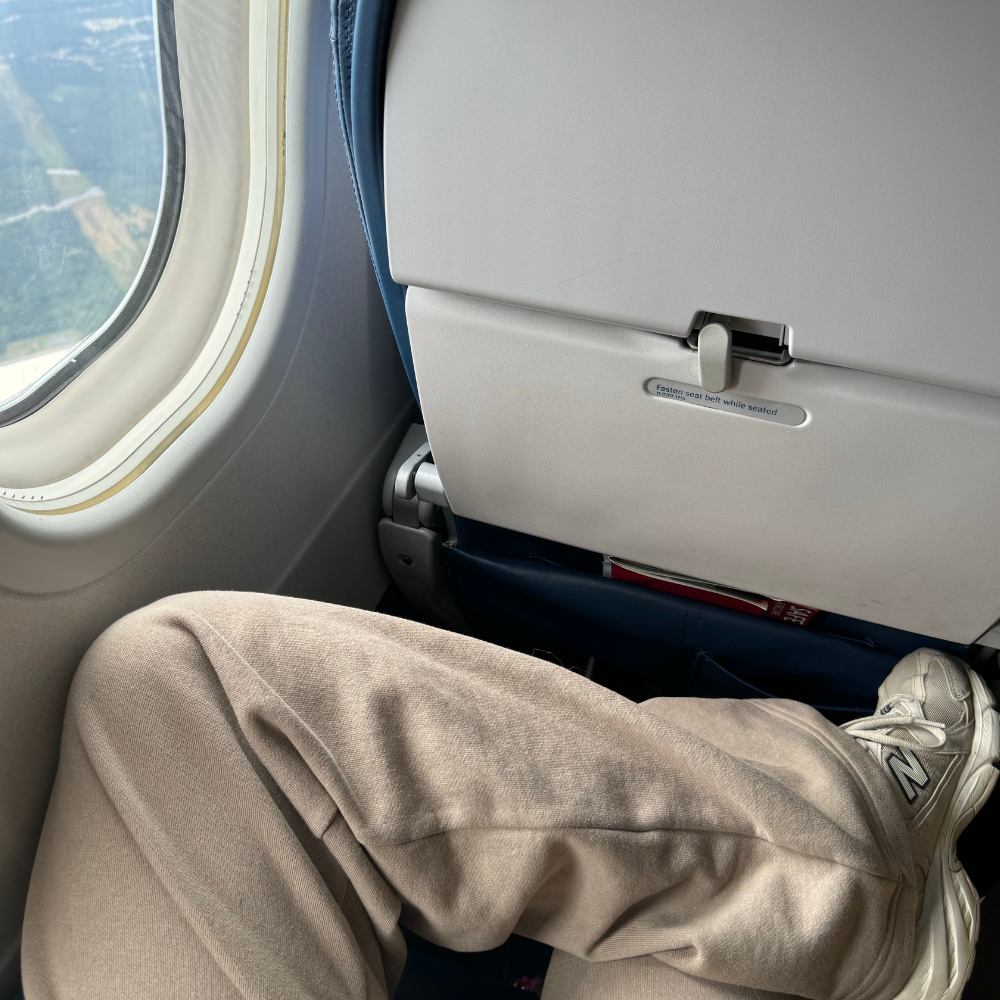
You’ve packed your bags, boarded your flight, and settled into your seat. But somewhere between take-off and landing, your rings feel tighter, your shoes feel snug, and your feet seem noticeably puffier than when you left home.
If you’ve ever experienced swollen hands, feet, or ankles during or after a flight, you’re not alone. It’s an incredibly common phenomenon, especially on long-haul journeys. While mild swelling is usually harmless, understanding why it happens, who is most at risk, and how to prevent it can make your next trip significantly more comfortable.
Why do hands and feet swell during flights?
The swelling that occurs during air travel is called travel-related edema. It happens when fluid accumulates in the tissues, particularly in the lower legs, ankles, feet, and sometimes the hands.
Several factors contribute to this.
1. Prolonged sitting slows blood circulation
One of the biggest reasons for swelling is simply sitting still for extended periods.
When you walk, your calf muscles act like a pump, helping blood move back toward your heart. During a flight, especially one lasting several hours, these muscles are far less active.
As a result blood flow slows down, fluid begins to pool in the lower extremities, pressure builds inside blood vessels and excess fluid leaks into surrounding tissues.
Gravity naturally pulls this fluid downward, which is why swelling is most noticeable in the feet and ankles.
2. Cabin pressure changes affect your body
Although aircraft cabins are pressurized, they are not pressurized to sea-level conditions.
Most commercial aircraft maintain cabin pressure equivalent to being approximately 1,800 to 2,400 metres above sea level.
This lower pressure environment can cause slight expansion of body fluids, alter fluid distribution throughout the body and increase fluid retention in some travellers.
While these changes are usually minor, they can contribute to puffiness and discomfort.
3. Dehydration makes fluid retention worse
Aircraft cabins are notoriously dry.
Humidity levels on many flights can fall below 20%, significantly lower than what most people experience on the ground.
This can lead to mild dehydration, dry skin and mucous membranes and the body holding onto available fluids as a protective response.
Ironically, not drinking enough water may actually increase feelings of bloating and swelling.
4. Salt and alcohol consumption
Many travellers indulge in salty snacks, airport meals, or alcoholic beverages before and during flights.
Excess sodium encourages the body to retain water, while alcohol contributes to dehydration. Together, they can worsen swelling significantly.
5. Tight clothing and restricted movement
Clothing that is tight around the waist, thighs, wrists, or ankles may restrict circulation and lymphatic drainage.
Crossing your legs for extended periods can also impede blood flow and encourage fluid pooling.
Why do hands swell too?
While swollen feet and ankles are more common, some travellers notice swollen fingers and hands.
This can occur because:
- Changes in cabin pressure affect fluid distribution.
- Reduced movement slows circulation throughout the body.
- Warm cabin temperatures can cause blood vessels to dilate.
- Dehydration alters fluid balance.
If you struggle to remove rings after a flight, swelling is often the culprit
When should you be concerned?
Although most flight-related swelling is harmless, sometimes it can indicate a more serious condition.
You should seek medical attention if you experience swelling in only one leg, significant pain, redness or warmth in the affected area, shortness of breath, chest pain or sudden difficulty breathing.
These symptoms could indicate a blood clot or other medical emergency.
How to prevent swelling before and during a flight
The good news is that there are several effective ways to reduce swelling and improve circulation while travelling.
Stay hydrated
Begin hydrating before your flight and continue drinking water throughout your journey.
Aim to carry a refillable water bottle and drink water regularly. Limit excessive alcohol and caffeine consumption.
Move frequently
Experts recommend standing up and walking every one to two hours during long flights.
Take short walks to the restroom or the galley area. Even a few minutes of movement can significantly improve circulation.
Do in-seat exercises
Simple exercises can keep blood flowing.
Try:
- Ankle circles
- Toe raises
- Heel lifts
- Foot pumps
- Leg extensions
Perform these every 30 to 60 minutes.
Wear compression socks
Compression socks are one of the most effective ways to reduce travel-related swelling.
They work by supporting circulation, preventing blood pooling, reducing fluid accumulation and lowering DVT risk in some travellers.
They can be particularly helpful for flights longer than four hours.
Watch your salt intake
Before and during your flight, try to limit:
- Salty snacks
- Processed foods
- Fast food meals
Choosing lower-sodium options can help minimize fluid retention.
Elevate your feet when possible
While difficult on an airplane, elevating your feet once you arrive at your destination can help excess fluid drain and reduce swelling more quickly.
Swollen hands, feet, and ankles after flying are usually a normal response to prolonged sitting, changes in cabin pressure, dehydration, and reduced circulation. While the puffiness can feel uncomfortable, it typically resolves quickly once you’re moving again.
The next time your shoes feel tighter after landing, you’ll know exactly what’s happening and more importantly, what you can do about it.
ALSO SEE:
Featured Image: DupePhoto