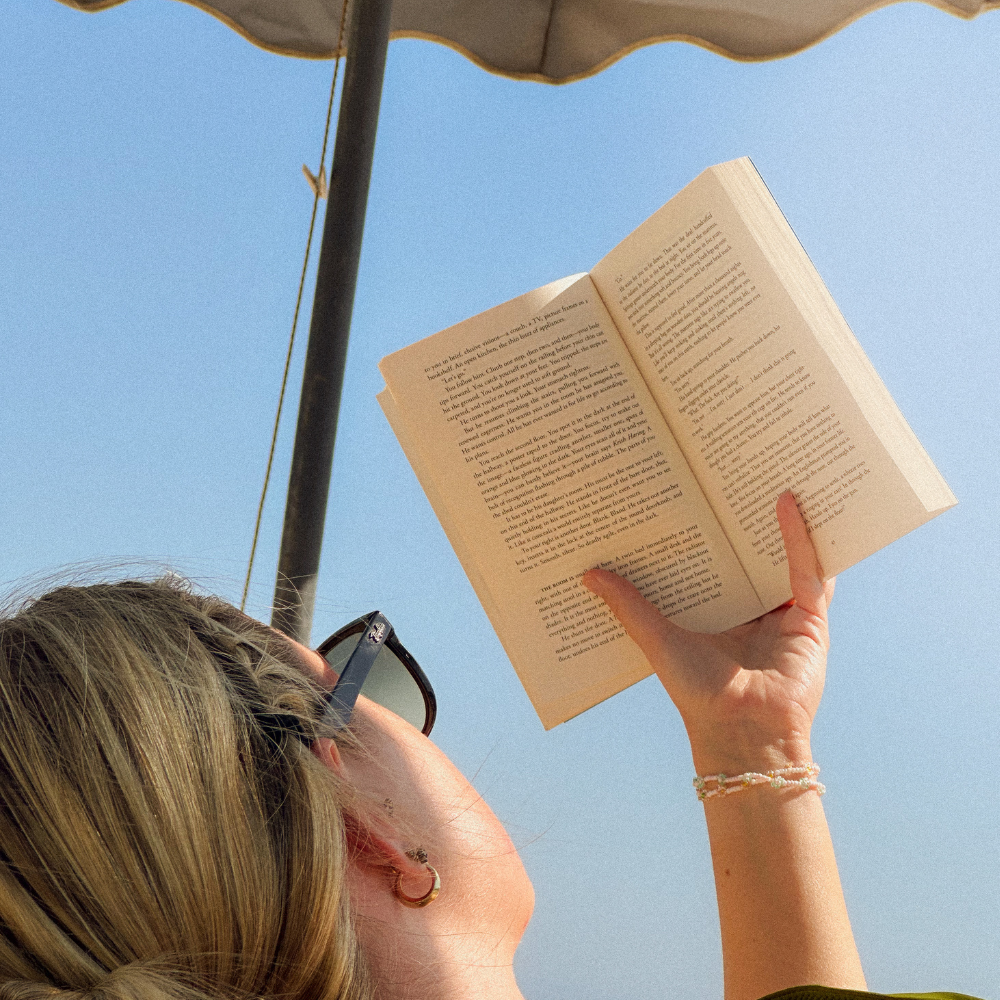
Planning a holiday should leave you feeling refreshed, inspired, and recharged – not exhausted from overpacked itineraries, early alarms, and constant decision-making. Yet many travellers return home feeling like they need another break just to recover from the one they took.
The good news? A truly restorative holiday isn’t about cramming as many attractions as possible into a few days. It’s about creating a balanced experience that gives you the space to unwind while still making meaningful memories.
How to plan a holiday that doesn’t leave you needing another holiday
Redefine what a successful holiday looks like
Social media has made it easy to believe that every minute of a holiday should be filled with picturesque cafés, hidden gems, sunrise hikes, and bustling markets. But trying to tick off every recommendation can quickly turn your getaway into a marathon.
Instead of measuring success by how much you did, focus on how you felt. If you return home feeling calmer, happier, and more energised, you’ve planned the right kind of trip.
Choose fewer destinations
One of the biggest travel mistakes is trying to squeeze too many places into a limited amount of time.
Rather than hopping between multiple cities every few days, consider staying longer in one destination. You’ll spend less time packing, checking in and out of accommodation, navigating transport, and more time actually enjoying where you are.
Slower travel also allows you to experience local culture more authentically, discover neighbourhood favourites, and settle into a comfortable rhythm.
Avoid scheduling every hour
It’s tempting to create a detailed itinerary before you leave, especially when there’s so much you want to see.
However, overscheduling removes the spontaneity that often leads to the best travel memories.
Aim for:
- One major activity per day.
- One optional activity if you have the energy.
- Plenty of unscheduled time for wandering, relaxing, or simply enjoying your surroundings.
Leaving room for flexibility also means you won’t feel guilty if you decide to sleep in or spend an extra hour at a beautiful café.
Build rest days into your trip
Many people save relaxation for the very last day, but by then they’re already exhausted.
Instead, intentionally include slower days throughout your holiday.
A rest day could involve:
- Sleeping without an alarm.
- Reading by the pool.
- Visiting a spa.
- Enjoying a leisurely brunch.
- Sitting on the beach without feeling the need to “do” anything.
- Exploring nearby streets with no destination in mind.
These quieter days help recharge your energy before the next adventure.
Be realistic about travel time
Travel days are rarely as relaxing as they seem on paper. Long airport queues, delays, luggage collection, unfamiliar transport systems, and hotel check-ins can easily consume an entire day.
When planning your itinerary, treat travel days as travel days, not sightseeing days.
You’ll reduce unnecessary stress and avoid arriving at dinner reservations or tours already feeling worn out.
Don’t chase every recommendation
Just because a destination has 30 “must-see” attractions doesn’t mean you need to visit all of them.
Choose experiences that genuinely match your interests rather than following every trending travel reel.
Ask yourself:
- Will I actually enjoy this?
- Am I doing this because I want to or because I feel like I should?
- Does it fit the pace I want for this trip?
A thoughtfully curated itinerary is almost always more enjoyable than an overwhelming checklist.
Book accommodation that helps you relax
Where you stay has a significant impact on how rested you feel.
Instead of choosing accommodation based solely on price or location, also consider comfort.
Look for features like comfortable beds, quiet surroundings, blackout curtains, easy transport access, breakfast included, a pool, garden, or peaceful outdoor area and kitchen facilities if you’d rather not eat out for every meal.
Sometimes paying slightly more for a comfortable stay can dramatically improve your overall experience.
Protect your sleep
Many travellers sacrifice sleep to maximise sightseeing, but poor sleep catches up quickly.
Try to maintain healthy sleep habits by:
- Avoiding very early mornings every day.
- Limiting late-night activities when possible.
- Staying hydrated after flights.
- Giving yourself time to adjust to new time zones.
- Creating a calming bedtime routine, even while travelling.
A well-rested traveller enjoys every experience far more than an exhausted one.
Leave space for pimple pleasures
Not every memorable holiday moment needs to involve a famous landmark.
Some of the most rewarding travel experiences include:
- Watching the sunrise with a coffee.
- Browsing a local bookstore.
- Visiting a neighbourhood bakery.
- Sitting in a park and people-watching.
- Discovering a family-run restaurant.
- Taking an evening stroll along the waterfront.
These slower moments often become the highlights you remember most.
Give yourself a buffer before returning to work
If possible, avoid landing home late at night and heading straight back to work the following morning.
Allow yourself at least one day to:
- Unpack.
- Do your laundry.
- Grocery shop.
- Catch up on sleep.
- Ease back into your routine.
Returning home gradually can reduce post-holiday stress and help you hold onto that relaxed feeling for longer.
Remember that doing less can mean experiencing more
There’s a growing appreciation for “slow travel” – a style of travel that prioritises presence over productivity. Instead of racing from one attraction to the next, it encourages travellers to savour local culture, spend time outdoors, linger over meals, and embrace unhurried moments.
The result? Holidays that feel genuinely restorative rather than draining.
After all, the purpose of taking time away isn’t to come home needing another escape. It’s to return with renewed energy, fresh perspective, and memories that remind you why slowing down can be the greatest luxury of all.
ALSO SEE:
Featured Image: DupePhoto