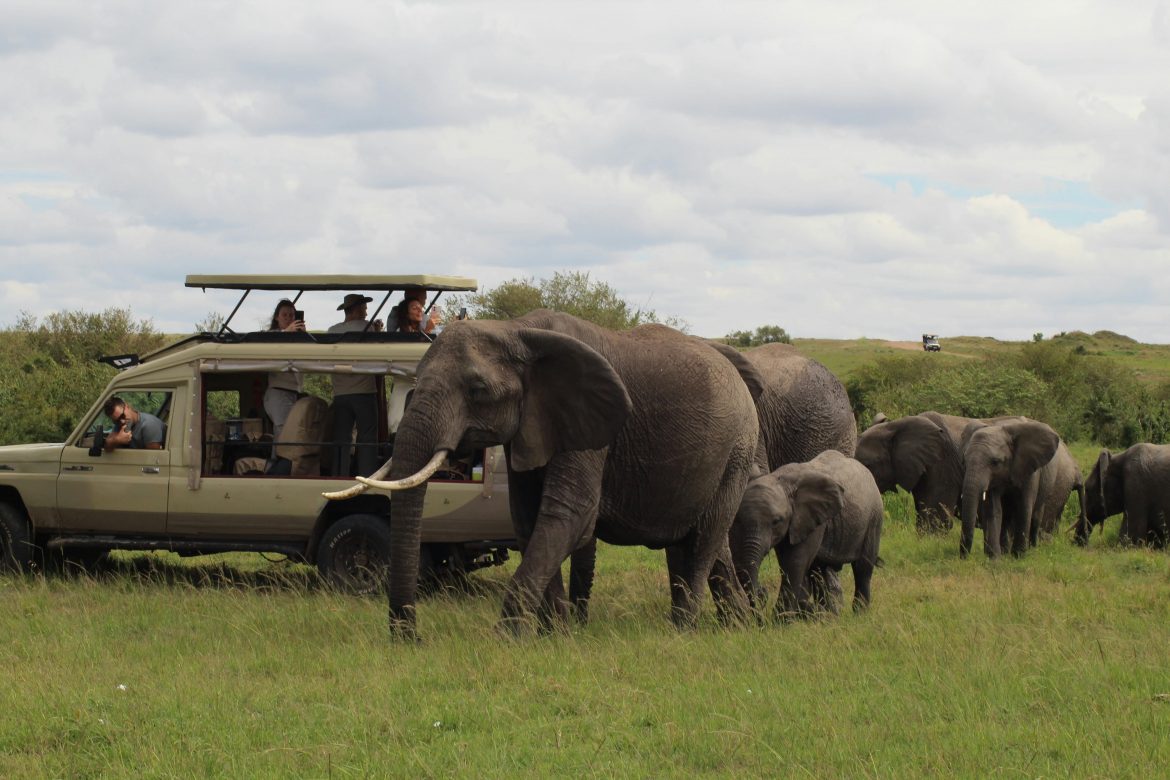
A safari is not just a holiday — it’s an experience that shifts your perspective. It’s early mornings, golden light, the sound of distant lions at night, and a quiet kind of luxury that feels deeply grounding. Whether you’re revisiting the bush or finally ticking it off your vision board for the first time, here’s everything you need to know before you go.
Choosing the right destination
Africa offers a range of safari experiences — each with its own rhythm and landscape.
South Africa
Kenya
The Maasai Mara is famous for the Great Migration — vast herds of wildebeest crossing crocodile-filled rivers. Expect dramatic landscapes and cinematic wildlife moments.
Tanzania
You should consider budget (private reserves vs national parks), time of year (dry season = better game viewing), travel logistics and level of luxury vs adventure.
What a typical safari day looks like
Safari runs on nature’s schedule.
- 5:00–6:00am: Wake-up call and light coffee
- Sunrise: Morning game drive (2–4 hours)
- Late morning: Brunch and relaxation
- Afternoon: High tea
- Sunset: Evening game drive
- Night: Dinner under the stars
Expect early nights. There’s something deeply calming about aligning your body clock with the sun.
What to pack (And what not to)
Safari style is practical, neutral, and effortless. Neutral clothing (khaki, beige, olive, white), lightweight layers (mornings are cold, afternoons are hot), comfortable walking shoes, a wide-brim hat, SPF and sunglasses and of cause a good camera (or fully charged phone).
Avoid bright colours, camouflage (restricted in some countries), and heavy luggage — many bush flights have strict weight limits (often 15kg in soft bags).
Wildlife expectations: Patience is everything
You won’t see animals on demand. This isn’t a zoo.
Some drives are action-packed with lion sightings and elephant herds. Others are slow, quiet, and deeply meditative. The magic of safari is in the unpredictability — tracking fresh paw prints, watching giraffes move against the skyline, hearing alarm calls in the distance.
And yes — seeing the Big Five (lion, leopard, rhino, elephant, buffalo) is thrilling. But often it’s the smaller moments that stay with you.
The luxury element (It might surprise you)
Safari lodges are often incredibly luxurious — outdoor bathtubs, plunge pools overlooking watering holes, candlelit dinners in the bush.
It’s barefoot luxury. Nature first, indulgence second — but still indulgent.
Many safari lodges include all meals and drinks, two game drives per day, guided bush walks and airport transfers.
Always confirm what’s included before booking.
Health, safety & practicalities
- Check visa requirements.
- Consult your doctor about malaria precautions (depending on the region).
- Travel insurance is non-negotiable.
- Listen carefully to your ranger’s safety briefings — wildlife is wild.
Pro tip: If you are visiting the Kruger National Park but your accommodation is outside of the park, get a Wildcard that will allow you free access into the park on day visits.
Safari is extremely safe when guidelines are followed.
The emotional side of safari
No one really talks about this part.
Safari slows you down. It reminds you that you are small — in the best way. There’s something regulating about watching animals move without urgency. No notifications. No rush. Just rhythm.
For someone intentionally cultivating calm and a softer life, a safari is more than a holiday — it’s perspective therapy.
A safari holiday is not about constant entertainment. It’s about immersion. Presence. Patience.
Go with curiosity. Go with respect. Go with enough time — two nights is never enough. Three to four nights per lodge is ideal.
And most importantly — put the camera down sometimes. The best moments aren’t always the ones you capture. They’re the ones you feel.
ALSO SEE:
Featured Image: Pexels