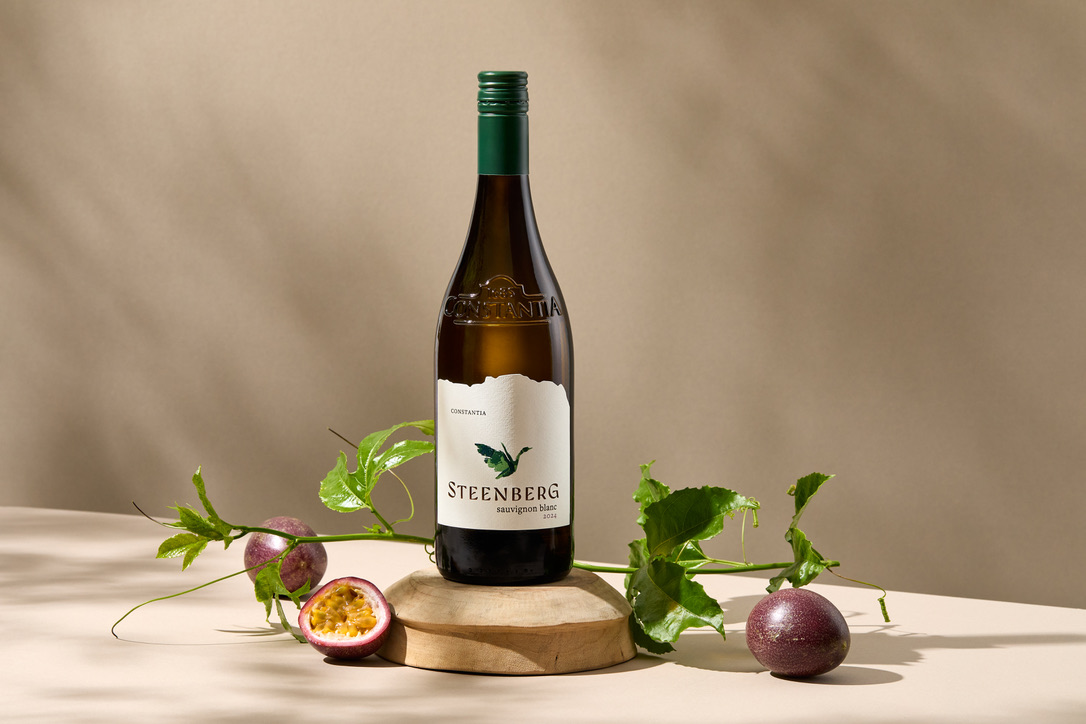
Why heritage, provenance and a sense of place are becoming hospitality’s most valuable assets
Luxury has never been more accessible, yet it has also never been more alike. As global hospitality brands expand and luxury experiences become increasingly standardised, travellers are placing greater value on what cannot be replicated: heritage, provenance, storytelling and a genuine sense of place.
The shift is reflected in the Mastercard Economics Institute’s Travel Trends 2025 report, which highlights growing demand for meaningful experiences and authentic connections to place, culture and community. Separate Mastercard consumer research found that 89% of Europeans identified travel and tourism as a priority experience in 2025, while 79% prioritised food-related experiences, underscoring the increasing importance of experience-led travel. Deloitte’s 2025 travel outlook similarly identifies personalisation and memorable experiences among the key drivers shaping travel decisions, as consumers increasingly seek experiences that feel distinctive rather than interchangeable.
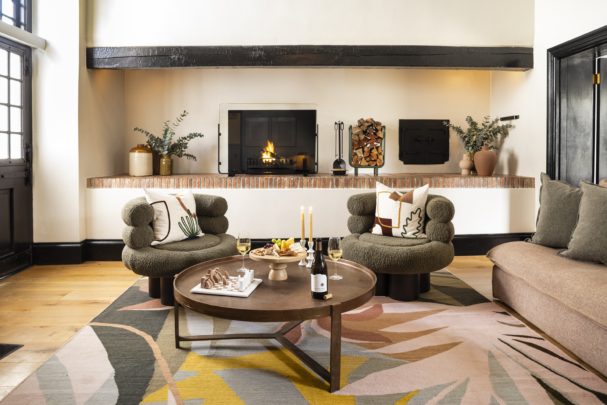
For Jessica Louw, Marketing Manager: Hospitality at Steenberg Farm, the shift reflects a broader change in how travellers define luxury. “Luxury today is increasingly about how something makes you feel,” says Louw. “Guests are looking for experiences that are personal, memorable and rooted in place.”Historic properties, founding stories and cultural legacy are becoming increasingly valuable because they offer something modern luxury cannot easily manufacture. Hotels such as Borgo Santo Pietro in Tuscany, Italy, Babylonstoren in South Africa’s Cape Winelands and The Newt in Somerset, England, have built their appeal around heritage, landscape and immersive guest experiences rather than traditional displays of luxury.
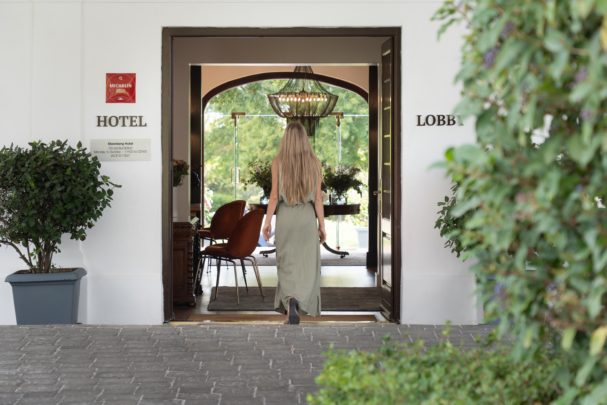
At Steenberg, those same principles shape the broader guest experience. “Guests might arrive for lunch and discover our wines, stay at the hotel and enjoy the spa, or visit for a tasting and spend the day exploring the estate,” says Louw. “Each experience adds another layer to the Steenberg story.”
This integrated approach was recently recognised internationally when Steenberg Hotel & Spa was awarded One Michelin Key for the second consecutive year in the Michelin Guide Hotel Selection 2026. The distinction recognises hotels that deliver exceptional and distinctive guest experiences, reinforcing the growing importance of authenticity, individuality and sense of place within luxury hospitality.
Few industries illustrate the value of provenance more clearly than wine. Long before authenticity became a hospitality trend, wine was already expressing the influence of place, climate and history in tangible ways.
“Wine has always been connected to place, but consumers are becoming far more interested in understanding that connection,” says Carryn Wiltshire, Marketing Manager, Steenberg Vineyards. “They want to understand not only what’s in the bottle, but what makes it distinctive. Where it comes from, how it was made and why it tastes the way it does all contribute to a deeper connection with the wine.”

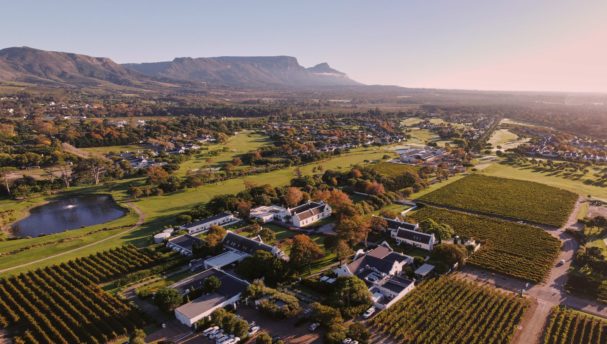
At Steenberg, those influences begin in the vineyards. Constantia’s cool maritime climate, ancient soils and proximity to False Bay shape the character of the estate’s wines, particularly its Sauvignon Blancs and cool-climate Bordeaux varieties.
Over time, Sauvignon Blanc has become a defining focus for Steenberg, with multiple expressions showcasing how vineyard site, climate and winemaking approach can reveal different facets of Constantia’s terroir.
“We don’t need to manufacture a story around the wine because the place gives us one,” says Wiltshire. “Our location, climate and vineyards all contribute to the identity of the wines we produce.”
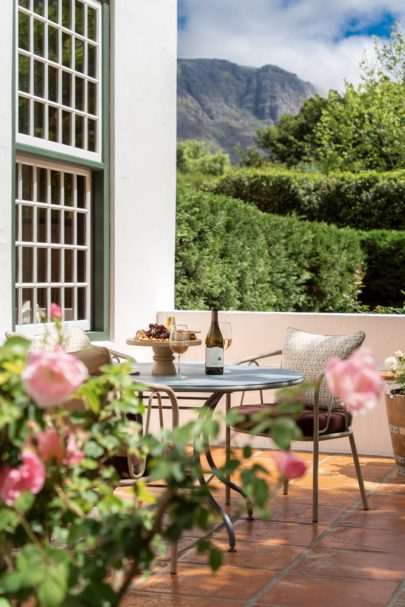
The connection between place and experience extends beyond the vineyards. Founded in 1682 by Catharina Ras, Steenberg’s history shapes the guest experience across the property, from its hotel and spa to its restaurants and wine offerings.
Storytelling provides the bridge between product and place. Whether through a destination’s history, the people behind a wine or the evolution of a particular vineyard, consumers increasingly want to understand the context behind what they are experiencing.
“What makes wine exciting is that place can be tasted,” says Wiltshire. “Through our different collections, guests can experience how vineyard site, climate and winemaking approach influence the final wine. It turns provenance from an idea into something tangible.”

For destinations, wineries and hospitality businesses, the implication is clear. As luxury becomes increasingly standardised, competitive advantage lies in what cannot be replicated: history, landscape, provenance and human connection.
The destinations that stand out are increasingly those that offer something no amount of investment can easily recreate: a genuine sense of place.