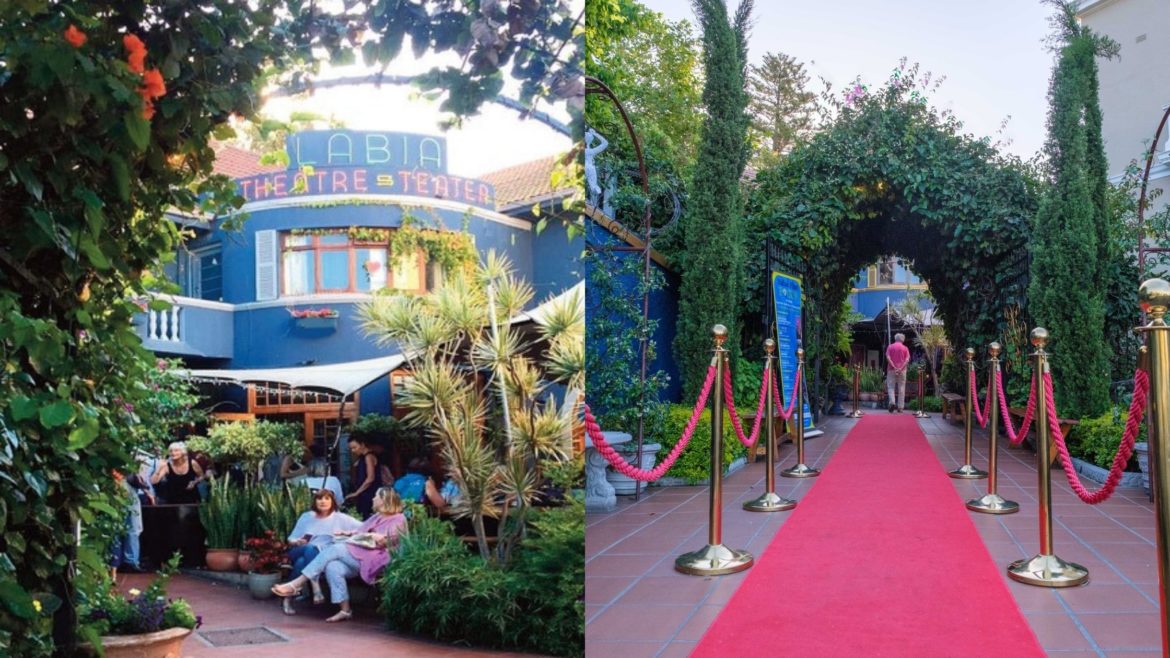
It has been a fixture of Cape Town’s cultural landscape for more than seven decades, and now the Labia Theatre has the global recognition to match. The city’s beloved independent cinema has been named one of the 100 greatest movie houses in the world by Time Out, earning 74th place on the publication’s definitive list of the finest cinemas operating today.
For a theatre that began life as an Italian embassy ballroom in 1949, it is a remarkable journey — and a well-deserved one.
What makes the Labia special
South Africa’s oldest independent cinema has long held a reputation that extends well beyond its Gardens neighbourhood address. The Labia has built its identity on championing the films that the mainstream tends to overlook — arthouse releases, international titles, cult classics and documentary work that might otherwise never find a local screen.
Time Out noted the theatre’s layered history, including its principled stand against apartheid-era segregation laws at a time when such defiance carried real consequences. That history, combined with the theatre’s old-world elegance and genuinely eclectic programme, has drawn an unlikely roll call of famous visitors over the years, among them Matt Damon, Salma Hayek and filmmaker Werner Herzog.
Stiff competition from around the globe
A 74th-place ranking on a list of 100 is worth contextualising. The Labia holds its position alongside institutions that represent the pinnacle of cinema culture worldwide. The top of the list is led by the TCL Chinese Theatre in Los Angeles, followed by The Stella Cinema Rathmines in Dublin and New York’s Film Forum. London’s BFI Southbank, Amsterdam’s Koninklijk Theatre Tuschinski and the Grand Rex in Paris also feature prominently in the top 20.
To appear in that company, drawn from cinema cultures across the United States, Europe, Asia and Latin America, is no small achievement for a single-site independent theatre in Cape Town.
A living piece of South African cultural history
What the ranking affirms is something that regular Labia patrons have always known: that this is not simply a cinema, but an institution. It has survived decades of political upheaval, the rise of multiplex culture and the disruption of streaming, and it continues to offer Cape Town something that cannot be replicated on a laptop screen — the experience of watching a carefully chosen film in a space with genuine character and history.
Its place on Time Out’s list is a reminder that great cinemas, like great cities, are defined not just by what they show, but by who they are.
ALSO SEE:
Featured Image: Facebook | Labia Theatre