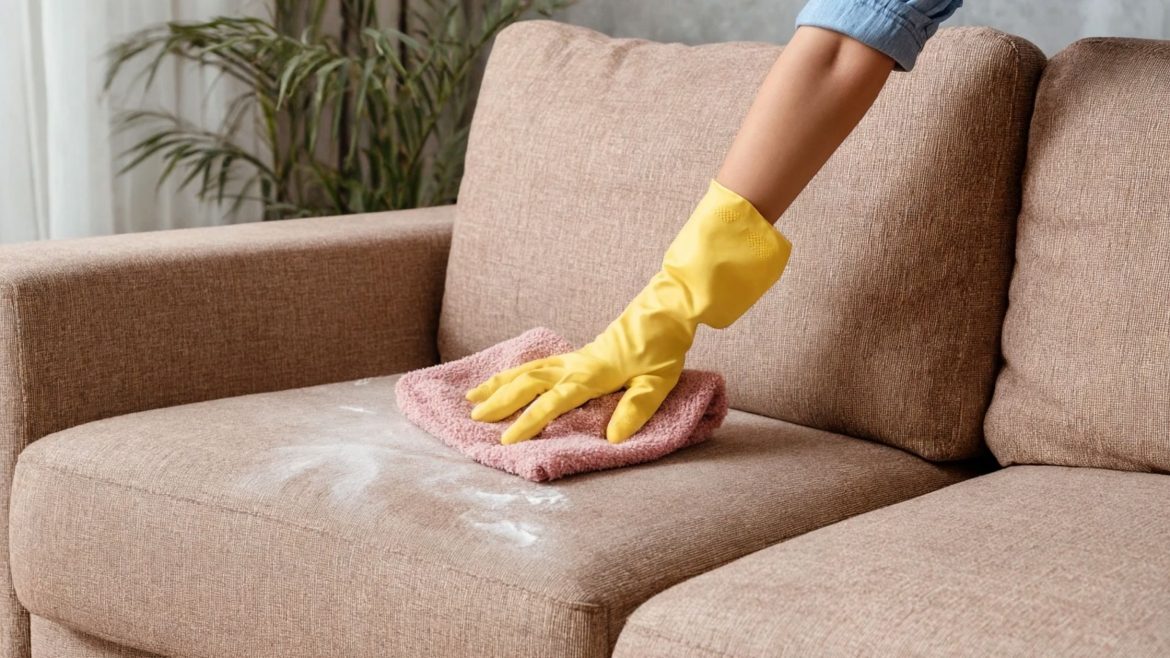
Upholstery works hard. It absorbs daily life quietly – from coffee spills and pet hair to body oils and dust that settle deep into the fibres. But cleaning it the wrong way can do more harm than good.
Before reaching for the nearest spray bottle, it is worth understanding what your fabric needs. Different materials react very differently to water, heat and cleaning solutions. The right method preserves colour, texture and longevity. The wrong one can leave watermarks, shrinkage or permanent stains.
Here is how to clean upholstery properly, safely and effectively.
Start by checking the care label
Every upholstered piece should have a cleaning code attached, usually underneath the cushions or frame. These letters matter.
- A “W” means water-based cleaners are safe.
- An “S” means solvent-based cleaners only.
- A “WS” means you can use either.
- An “X” means vacuum only.
Ignoring this step is the most common mistake people make. Using water on solvent-only fabric can cause rings, shrinkage or fibre damage that is difficult to reverse.
Vacuum first, always
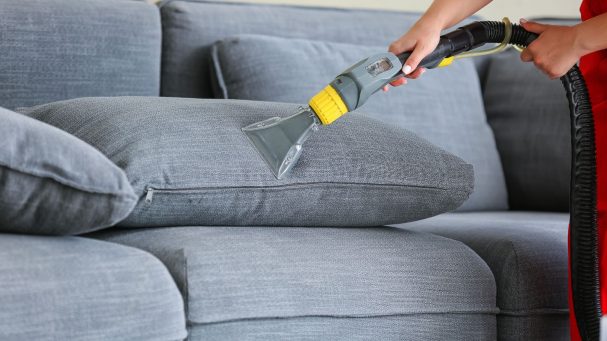
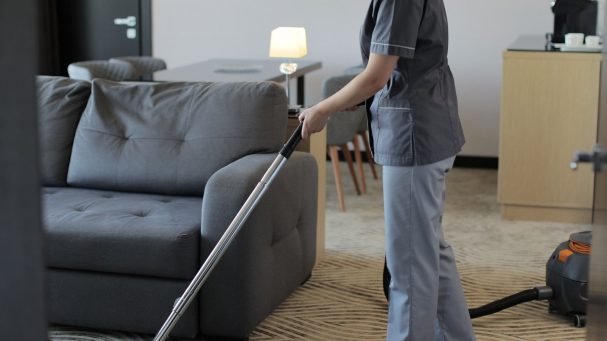
Before treating any stain or attempting a deeper clean, vacuum thoroughly using the upholstery attachment.
Dust, crumbs and debris sit within fibres and can turn muddy if you introduce moisture too quickly. Work methodically across the surface, including seams and under cushions. If you have pets, use a rubber glove or specialised pet hair attachment to lift stubborn fur before vacuuming.
Regular vacuuming, ideally weekly, is one of the simplest ways to extend the life of your upholstery.
Treat stains carefully, not aggressively
When dealing with spills, speed matters. Blot immediately using a clean, dry cloth. Never rub. Rubbing pushes the stain deeper and distorts the fabric weave.
For water-safe fabrics, a mild solution of warm water and a few drops of washing-up liquid is often sufficient. Apply the solution sparingly with a cloth, blot gently, then blot again with clean water to remove residue. Allow to air dry naturally.
For oil-based stains, solvents such as isopropyl alcohol may be appropriate on “S” labelled fabrics, but always test in an inconspicuous area first.
Patience is more effective than pressure.
Avoid over-wetting the fabric
One of the biggest causes of watermarks and mildew is over-saturation. Upholstery foam beneath the fabric can trap moisture, leading to odours or mould growth if it does not dry properly.
Use minimal liquid. Work in small sections. Allow airflow by opening windows or using a fan to speed up drying.
If the fabric feels damp beneath the surface, you have used too much.
Steam cleaning: when and how to do it
Steam cleaning can be effective for deeper refreshes, particularly on durable fabrics like polyester blends. However, it is not suitable for delicate materials such as silk, velvet or certain linens.
If using a handheld upholstery steam cleaner, follow the manufacturer’s instructions closely. Use short bursts rather than prolonged exposure, and avoid lingering in one area.
Professional cleaning is often a safer option for antique, high-end or natural fibre pieces.
Natural fibres need extra care
Linen, cotton and wool blends are breathable and beautiful, but more sensitive to water and harsh chemicals.
Wool, in particular, can shrink if exposed to high heat. Linen may show water marks if unevenly dampened. For these fabrics, light spot cleaning and professional cleaning once a year is usually the safest approach.
Velvet should be brushed gently in the direction of the pile once dry to restore texture.
Deodorising without damage
To refresh upholstery between cleans, sprinkle bicarbonate of soda lightly across the surface, leave for 20 minutes, then vacuum thoroughly. This helps absorb odours without introducing moisture.
Avoid heavily fragranced fabric sprays, which can leave residue and attract more dirt over time.
When to call a professional
If your couch has:
- Persistent odours
- Large set-in stains
- Delicate or antique fabric
- Water damage
It is worth consulting a professional upholstery cleaner. Attempting aggressive DIY fixes can permanently alter the fabric’s appearance.
How often should you clean upholstery?
- Vacuum weekly.
- Spot clean as needed.
- Deep clean every 12 to 18 months, depending on use.
High-traffic family couches will need attention more frequently than formal seating used occasionally.
The key to keeping upholstery looking new
The secret is consistency, not intensity. Gentle maintenance prevents the need for harsh treatments later. Clean spills quickly. Vacuum regularly. Respect the fabric code. Use minimal moisture. And when in doubt, test first. Well-maintained upholstery does not just look better. It lasts longer, holds its shape and retains colour more effectively.
Your couch carries your daily life. Cleaning it properly is about preservation, not perfection.
ALSO SEE:
Featured Image: Canva