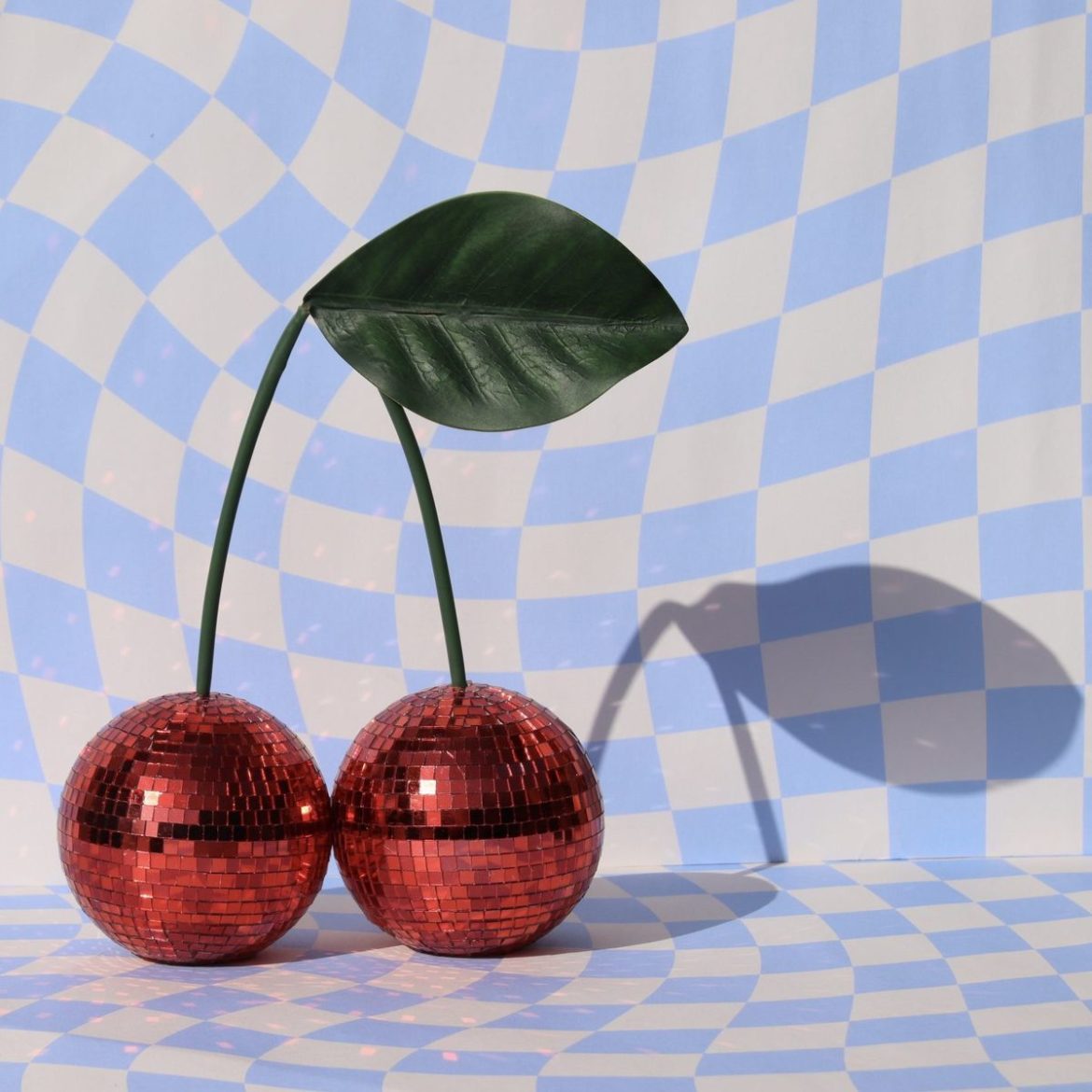
Something quietly absurd is happening in interior design right now, and it’s difficult not to love it. Croissant-shaped candles are being lit on dining tables. Jelly-inspired lamps are glowing on bedside tables. Ceramic pasta is appearing on kitchen walls. The fake food decor trend, which has been building momentum on social media for the past year, has tipped from a niche internet aesthetic into something genuinely widespread.
The appeal is partly nostalgic, partly a soft rebellion against years of neutral-palette seriousness, and partly the simple truth that food-shaped objects tap into something warm and familiar in the way that a geometric vase never quite can. The best news: most of the look is very achievable at home, with materials and methods that don’t require specialist skill or a large budget.
The idea behind the trend
Food has been used as a design motif for centuries. Dutch still-life paintings of the 17th century were full of carefully rendered fruit, bread and fish, symbols of abundance and the fleeting nature of pleasure. The contemporary version takes that tradition and adds irony, playfulness and a rejection of the idea that beautiful things need to be useful.
It aligns with what stylists have been calling the “dopamine decor” movement: the deliberate choice of objects that make you smile, that carry emotional warmth, that prioritise joy over function. A jelly lamp doesn’t light a room more effectively than any other lamp. It just makes the room feel like a slightly more delicious place to be.
DIY: a faux fruit display
The easiest entry point is building a food-themed still life using faux fruit pieces. Ceramic, resin and wax fruit are all available at local homeware markets, second-hand shops and craft suppliers. A composition of three to five pieces in complementary colours, placed in a shallow bowl or on a small tray, creates an instant piece of food-inspired decor that costs very little and can be rearranged endlessly.
Choose colours and finishes that work with the existing palette of the room. Pale ceramic pears and apples in a neutral finish work in any interior. Bright, glossy resin cherries or oversized grapes in a rich colour make a bolder statement.
DIY: wax or beeswax food-form candles
Beeswax sheets, available from craft suppliers and some health and wellness shops, can be shaped by hand into simple forms without any specialist tools or equipment. A small beeswax sheet wrapped around itself and shaped into a rough fruit form, then positioned in a ceramic dish, creates a genuinely charming candle object that fits entirely within the food decor aesthetic. The warm honey scent of natural beeswax adds another sensory dimension.
For those with more confidence in craft, investing in a simple candle mould in a food shape and a bag of soy or paraffin wax opens up more precise options.
DIY: produce-themed prints and framing
One of the simplest versions of this trend involves nothing more than halved fruit, paint or printing ink, paper and a frame. Cut a lemon, orange or apple in half, press it lightly onto a paint-covered surface and print directly onto paper or unbleached cotton. The resulting print has the slightly imperfect, handmade quality that makes food-themed objects feel charming rather than kitsch. Frame two or three in matching frames and hang them as a small series.
DIY: food-aesthetic shelf or countertop styling
Decanting oils, vinegars, dried pasta and whole spices into glass bottles and jars and arranging them on a kitchen shelf is perhaps the most accessible version of this trend. The result is a styled surface that doubles as practical storage, and the visual warmth of amber oils, deep red vinegars and golden spices in glass creates exactly the kind of sensory richness that defines the food decor aesthetic.
The broader principle: treat the ingredients in your kitchen as objects worth displaying rather than items to be hidden. That shift in thinking is most of what this trend actually is.
ALSO SEE:
Featured Image: Pinterest