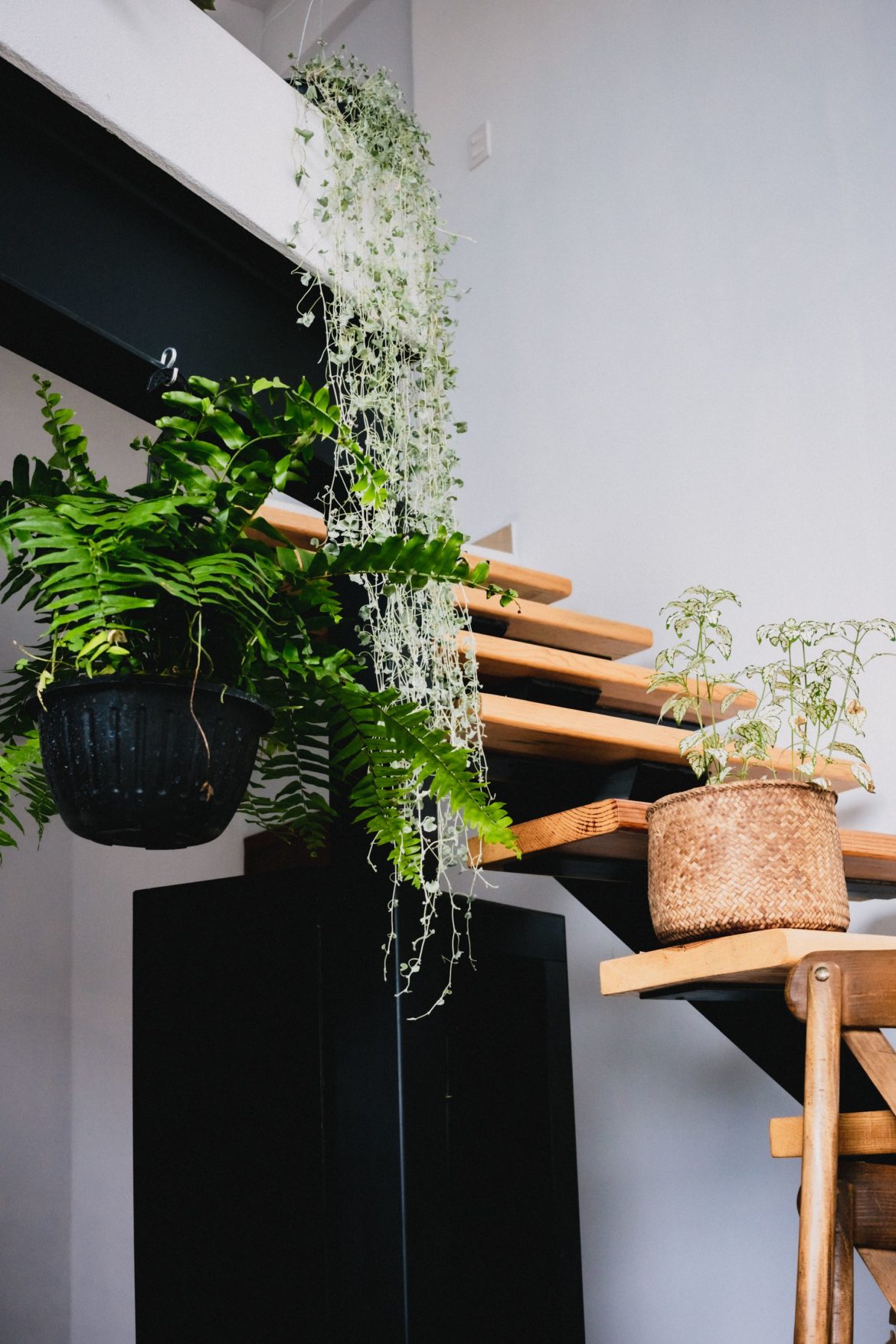
A room can be beautifully decorated and still feel strangely flat. Biophilic design offers one way to change that by making nature part of the space rather than treating greenery as a final styling accessory. The idea is broader than adding a few houseplants. It is about creating interiors that feel connected to the natural world through light, materials, views, textures, colour and living things.
That matters because much of modern life happens indoors. Research into biophilic design has linked access to natural elements with outcomes such as improved wellbeing and restoration, although the field is still developing and the effect depends on the space and the person using it. The useful takeaway for the home is simpler: nature can be a design ingredient, not just decoration.
Start with plants, but do not stop there
Houseplants are the most obvious starting point because they immediately introduce colour, movement and organic form. Instead of scattering small pots around a room, think in layers. A taller plant can anchor an empty corner, a medium plant can soften a side table, while smaller leaves on a shelf or windowsill help connect the eye across the room.
Choose plants for the conditions you actually have rather than for a picture you have saved. A bright, north-facing room generally receives the strongest light in South African homes, while spaces set farther from a window need plants that tolerate lower light. African violets can bring compact colour to a bright indoor spot, while jade plants add sculptural form and are well suited to sunny rooms. The goal is not to create an indoor jungle at any cost, but to build greenery that can realistically thrive.
Use natural light, materials and shapes
Biophilic design becomes more convincing when the same idea continues beyond plants. Make the most of daylight by keeping windows as clear as practical and placing seating where you can enjoy a garden, courtyard, tree canopy or even a changing patch of sky. Sheer curtains can soften glare without blocking the room from the outdoors completely.
Natural materials help carry that connection into the rest of the scheme. Timber, stone, linen, wool, rattan, clay and woven fibres bring texture that feels less manufactured, particularly when their grain and imperfections remain visible. Curved furniture, botanical patterns and irregular, organic shapes can echo forms found outside without turning the room into a theme.
Do not rely on plants to clean the air
One popular biophilic-design claim is worth treating cautiously. Potted plants can remove certain pollutants in controlled laboratory chambers, but research suggests that ordinary numbers of houseplants do not purify the air in a typical home at a meaningful rate. Ventilation and appropriate air filtration are much more effective for indoor air quality.
That does not make plants pointless. Their value in a biophilic room is visual, sensory and emotional. The changing shape of new leaves, the ritual of caring for something living and the softness greenery adds to hard architectural lines are reasons enough to keep them around.
Build a home that feels connected
The most successful biophilic spaces rarely depend on one dramatic gesture. They build connection gradually, through a sunny reading chair, a timber table, a cluster of healthy plants, a view into the garden and colours borrowed from stone, leaves or earth.
Start with the room you use most and add one natural layer at a time. When the result feels calmer, warmer and easier to spend time in, biophilic design is doing what it is meant to do.
ALSO SEE:
Featured Image: Pexels