Every so often, design circles agree to collectively move on from something. A style becomes too associated with a specific era, too predictable, or simply too safe for its own good. Then, a decade or two later, someone takes another look and wonders why it was ever abandoned.
That reckoning is well underway in bedroom design right now. Styles that were written off as outdated are being reintroduced with a lighter touch and better materials, and they are working better than ever. Here are seven worth knowing about.
Canopy beds
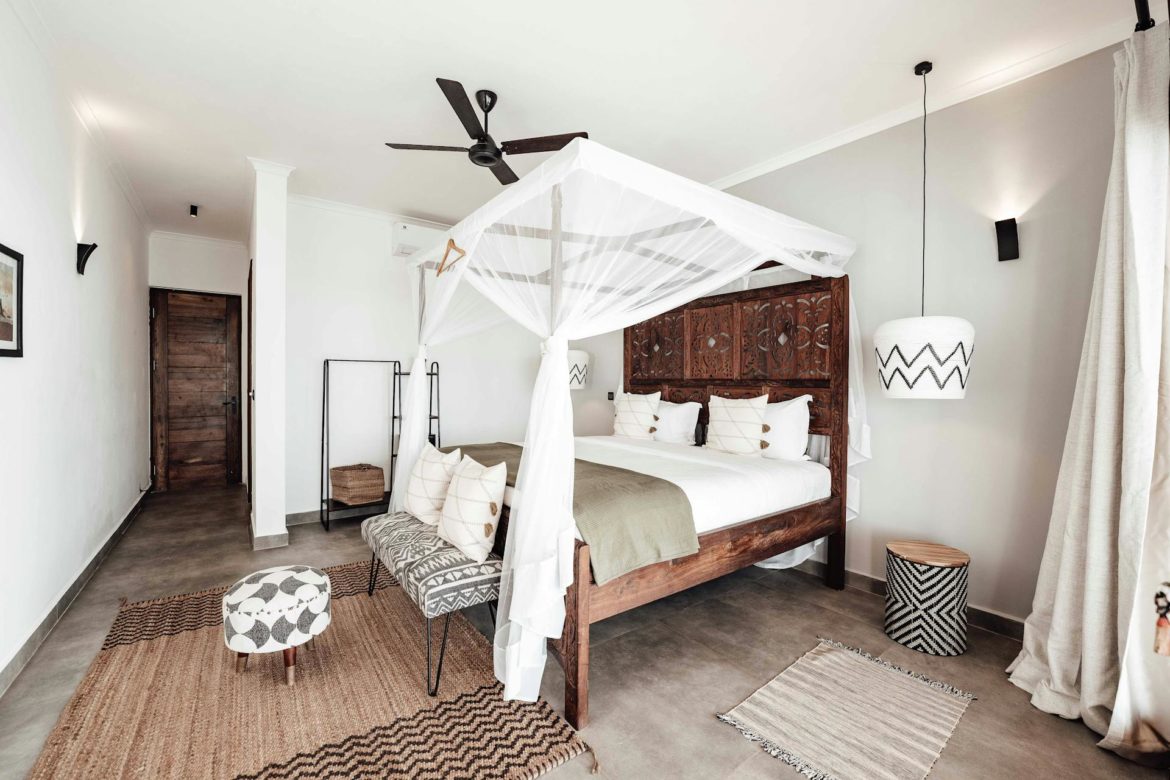
There was a time when canopy beds meant heavy brocade drapes, imposing carved timber frames and the general atmosphere of a period drama. That era is not what designers are reviving. Today’s versions are open and architectural: frames left bare or dressed with sheer linen panels, creating structure in a room without visual weight. The effect is a bed that anchors the space rather than consuming it, giving even a simply furnished room a sense of considered layering.
Florals
The grandmacore aesthetic has been building momentum across fashion and homeware for several seasons, and florals are among its most transferable ideas. They dominated bedroom design from the 1950s through to the 1970s before a long period of dormancy, and their return is being handled with considerably more restraint than their first run. The current approach is to introduce them through accent pieces first: cushions, curtains, a bedroom rug. Small-scale, delicate prints are having the strongest moment right now, though they can carry even wallpaper applications when chosen carefully.
Ruffled bedding
Ruffled bedding is, admittedly, a hard sell on paper. The association with stiff, overly formal guest bedrooms from previous decades is difficult to shake. But the modern version is an entirely different proposition: lighter fabrics, simpler construction and a restraint in application that keeps the look feeling relaxed rather than precious. The key is to use ruffles as an accent rather than a theme. A single ruffle on the edge of one pillow introduces texture and softness without tipping into fussiness.
Floating bed frames
Floating bed frames are not a new concept, but improvements in design and construction have made them more refined and accessible than earlier versions. Their appeal spans both the visual and the practical. In minimalist and contemporary spaces, they reinforce a clean, uncluttered aesthetic. In smaller rooms, the visual gap between the base of the frame and the floor creates a sense of openness that fixed frames simply cannot offer, making them a smart choice where space is limited.
Bed frames with integrated side tables
For years, the matching bedroom set was the default choice for a cohesive bedroom. It fell out of favour for feeling generic and inflexible. The bed frame with integrated side tables is a more evolved take on the same instinct: a design that combines the sleeping surface and bedside surfaces into a single, custom-looking unit. The visual logic is similar to the old matching set, but the execution is sleeker, more intentional and considerably harder to replicate with off-the-shelf furniture.
Mixed wood tones
The departure from the matching set extends beyond bed frames. The dominant mood in bedroom furniture right now is deliberate eclecticism: pieces from different eras and finishes that suggest a room assembled over time rather than purchased in a single visit. Mixing wood tones creates depth and prevents a space from looking flat or catalogue-bought. The practical approach is to anchor the room with one dominant tone, ensure the undertones across pieces are broadly compatible, and introduce contrast gradually between lighter and darker shades. The goal is a room that feels personal.
Statement headboards
Headboards have made a significant conceptual leap in recent years. Where they were once considered functional at best and decorative at worst, they are now being treated as the primary design statement of the bedroom. The most compelling current direction moves beyond upholstered fabric into wood, cane and sculptural shapes, with wall-to-wall formats pushing the idea furthest. The common thread is intention: a headboard that commits to a clear point of view and turns the bed into the defining feature of the room rather than simply part of the furniture.
What these trends share
Looking across all seven, a pattern emerges. Each one is a response to the stripped-back, unembellished minimalism that dominated interiors for much of the last decade. Canopy beds bring architecture. Florals and ruffles bring softness. Mixed tones and statement headboards bring personality. The bedroom is being reclaimed as a space with character, and the styles making a comeback are exactly the ones best equipped to deliver it.
ALSO SEE:
Featured Image: Pexels