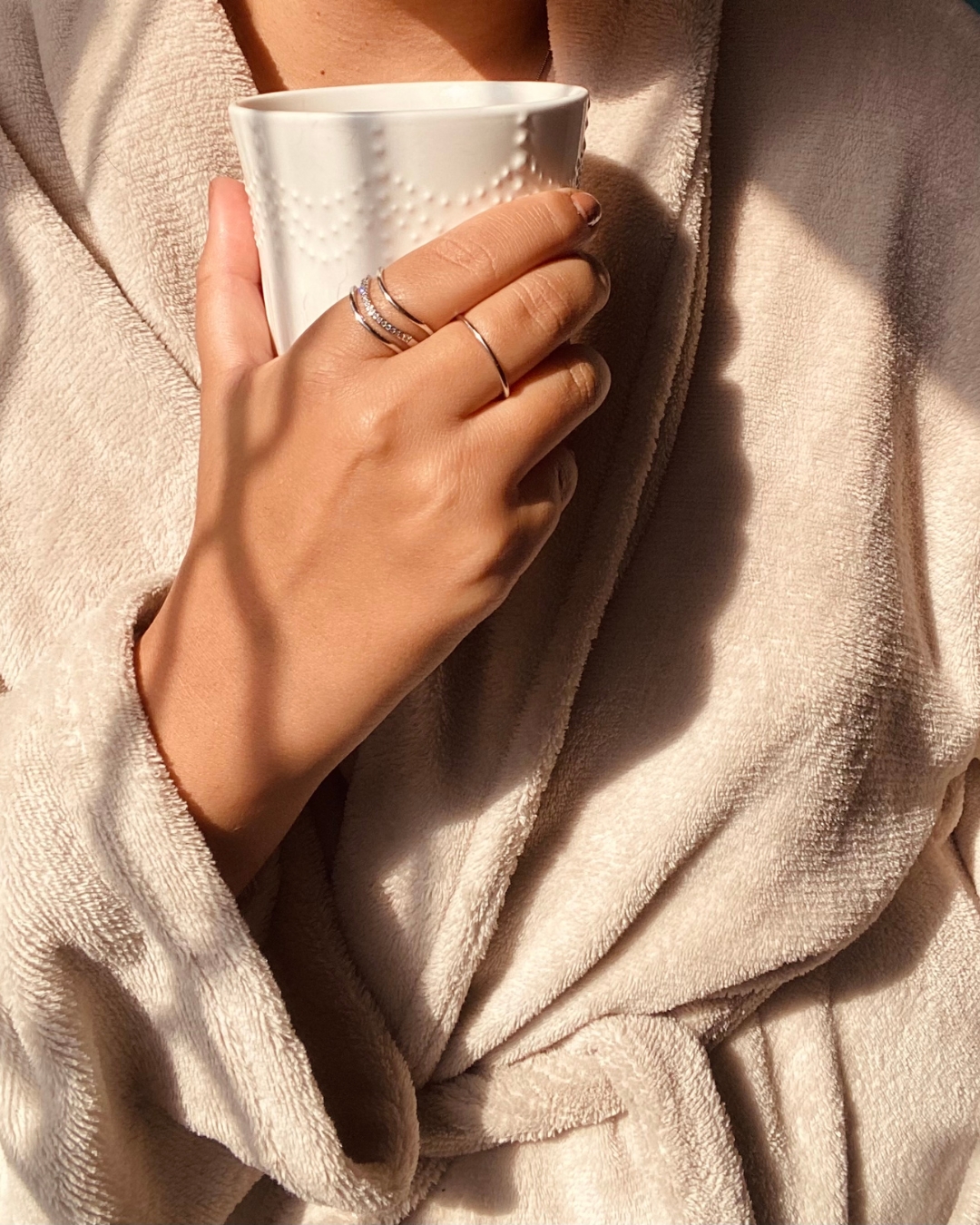
Beauty is no longer just about how you look – it’s about how you feel. Over the past few years, the industry has undergone a quiet but powerful shift. What was once dominated by quick fixes, heavy glam, and surface-level results is now being reshaped by a deeper, more holistic approach – wellness.
From skincare infused with adaptogens to routines built around nervous system regulation, beauty is evolving into something far more intentional. So, what’s driving this change?
The shift from perfection to well-being
For years, beauty standards were rooted in perfection – flawless skin, contoured features, and highly curated appearances. But that ideal has started to feel increasingly out of touch. People are now craving authenticity, softness, and sustainability in their routines.
Wellness-focused beauty prioritises long-term health over short-term transformation. Instead of asking, “How do I look better instantly?” the question has become, “How do I support my skin, body, and mind over time?”
This shift reflects a broader cultural movement toward balance and self-care, especially among women who are juggling demanding lifestyles.
The rise of skin health over skin coverage
One of the clearest signs of this evolution is the move away from heavy makeup toward skin-first routines. Glowy, hydrated, and balanced skin has become more desirable than full-coverage perfection.
Consumers are investing more in:
- Barrier-repairing skincare
- Ingredients that support inflammation and sensitivity
- Treatments that work with the skin, not against it
The focus is no longer on hiding imperfections, but on understanding them – whether that’s hormonal acne, dryness, or stress-related flare-ups.
Stress, hormones, and the beauty conversation
Beauty is becoming more wellness-focused because people are more aware of how deeply interconnected everything is. Skin issues are no longer viewed in isolation – they’re often linked to stress, sleep, gut health, and hormones.
This has led to the rise of:
- Cortisol-conscious routines
- Nervous system regulation practices like breathwork and slow movement
- Supplements and functional ingredients designed to support internal balance
The result? Beauty routines that extend far beyond the bathroom shelf.
Ritual over routine
Another reason for this shift is the desire to slow down. In a fast-paced, always-online world, beauty has become a space for grounding and ritual.
Instead of rushing through a 10-step routine, people are:
- Taking time to massage their face
- Using skincare as a moment of mindfulness
- Creating calming environments around their routines
Beauty is no longer just maintenance – it’s a daily check-in.
Ingredient transparency and conscious consumption
Today’s consumer is more informed and more selective. There’s a growing demand for products that are not only effective but also safe, ethical, and aligned with personal values.
This includes clean or non-toxic formulations, sustainable packaging and brands that prioritise transparency and integrity.
Wellness-focused beauty isn’t just about what you put on your skin — it’s about the intention behind it.
The influence of the “soft life” era
The rise of the “soft life” mindset has also played a role. More women are intentionally choosing calm over chaos, rest over burnout, and simplicity over excess.
This energy is reflected in beauty trends that emphasise:
- Minimalism
- Ease
- Nourishment
Looking good is no longer about effort or struggle – it’s about alignment.
The future of beauty
As beauty continues to merge with wellness, we can expect even more integration between internal and external care. The future isn’t about extremes, it’s about harmony.
Beauty will likely continue to move toward personalised routines based on lifestyle and biology, a deeper understanding of the skin-body connection and practices that support both physical appearance and emotional wellbeing.
The shift toward wellness-focused beauty isn’t just a trend – it’s a reflection of a broader change in how we define care, confidence, and self-worth.
In a world that once told us to fix ourselves, beauty is now inviting us to understand ourselves.
And that might be the most powerful transformation of all.
ALSO SEE:
Are peptides the new retinol? The ingredient that’s taking over skincare
Featured Image: DupePhoto