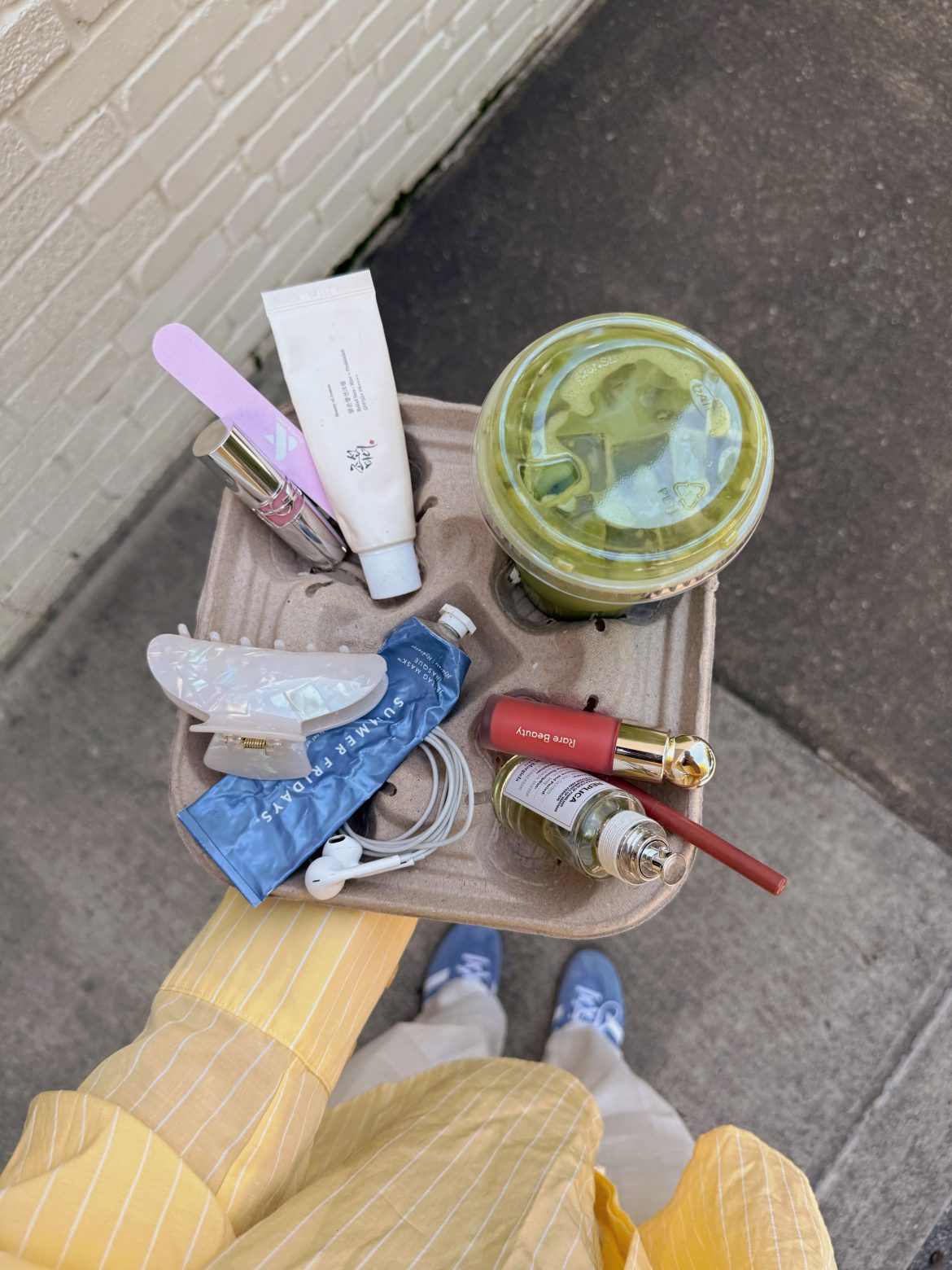
“Clean beauty.” It’s one of the most persuasive phrases in the beauty industry today. Walk through any beauty aisle, and you’ll find it stamped on moisturisers, mascaras, and even shampoo bars. It suggests purity, safety, and a product that’s somehow more natural or healthier than others.
But here’s the truth: “clean beauty” has no official definition. And that means things aren’t always as transparent as the packaging claims.
Let’s break down what clean beauty really means, what it doesn’t, and how to shop smarter.
Clean beauty isn’t a regulated term
Unlike “organic,” which is strictly controlled within the food industry, “clean beauty” isn’t regulated by any health or cosmetic authority.
This means:
- Any brand can label its product “clean” without meeting a specific standard.
- The criteria for “clean” differs from brand to brand.
- Many claims rely on marketing rather than science.
So while the intention behind clean beauty is often good, the execution varies widely.
“Free from” labels can be misleading
You’ve probably seen packaging that reads:
“Free from parabens.”
“No sulfates.”
“NO silicone.”
These labels are designed to make you feel safer — but they don’t always give the full story.
What you should know:
-
A “free from” claim doesn’t necessarily mean the ingredient is unsafe. Many banned-ingredient lists are based on incomplete or outdated research.
-
Some ingredients, like parabens, have decades of safety data behind them — yet they’ve become “villains” in clean beauty marketing.
-
A product can be free from one ingredient but still contain others that may irritate the skin.
Natural doesn’t always mean better
Clean beauty often leans into natural, botanical ingredients. And while plants can be wonderful for the skin, they can also be:
- Highly irritating
- More allergenic
- Less stable
- Less effective depending on concentration and formulation
Meanwhile, many synthetic ingredients are:
- Safe
- Stable
- More predictable in how they behave on the skin
Nature is beautiful, but it’s not automatically gentle.
There’s a big difference between “clean” and “sustainable”
Many shoppers assume clean beauty equals eco-friendly beauty — but sustainability is a separate conversation.
A product can be:
- Clean but not sustainably packaged
- Clean but made with resource-heavy botanical ingredients
- Clean but not ethically sourced
To truly shop sustainably, you need to look beyond clean labels and pay attention to packaging, refill systems, ingredient sourcing, and brand transparency.
How to shop smarter in a clean beauty world
Instead of trusting labels blindly, look for brands that offer real transparency, not just buzzwords. Here’s how:
Read the ingredient list — not just the marketing copy
If you know your skin triggers (fragrance, essential oils, alcohols), you can avoid irritation more effectively than relying on “clean” claims.
Focus on your skin’s needs, not trends
A “clean” product isn’t automatically compatible with sensitive, acne-prone, or reactive skin.
Prioritize science-backed brands
Whether they call themselves “clean” or not, brands that publicly share their research, testing, and formulations tend to offer safer, more effective products.
Clean beauty isn’t a scam — but it is a marketing term.
It can help highlight products that avoid unnecessary irritants, but it can also confuse shoppers who want to make truly informed choices.
The best approach?
Choose products based on science, transparency, and what your skin actually needs — not just what the label claims.
ALSO SEE:
How to fix patchy makeup after 40 with simple, smarter tweaks
Featured Image: DupePhoto