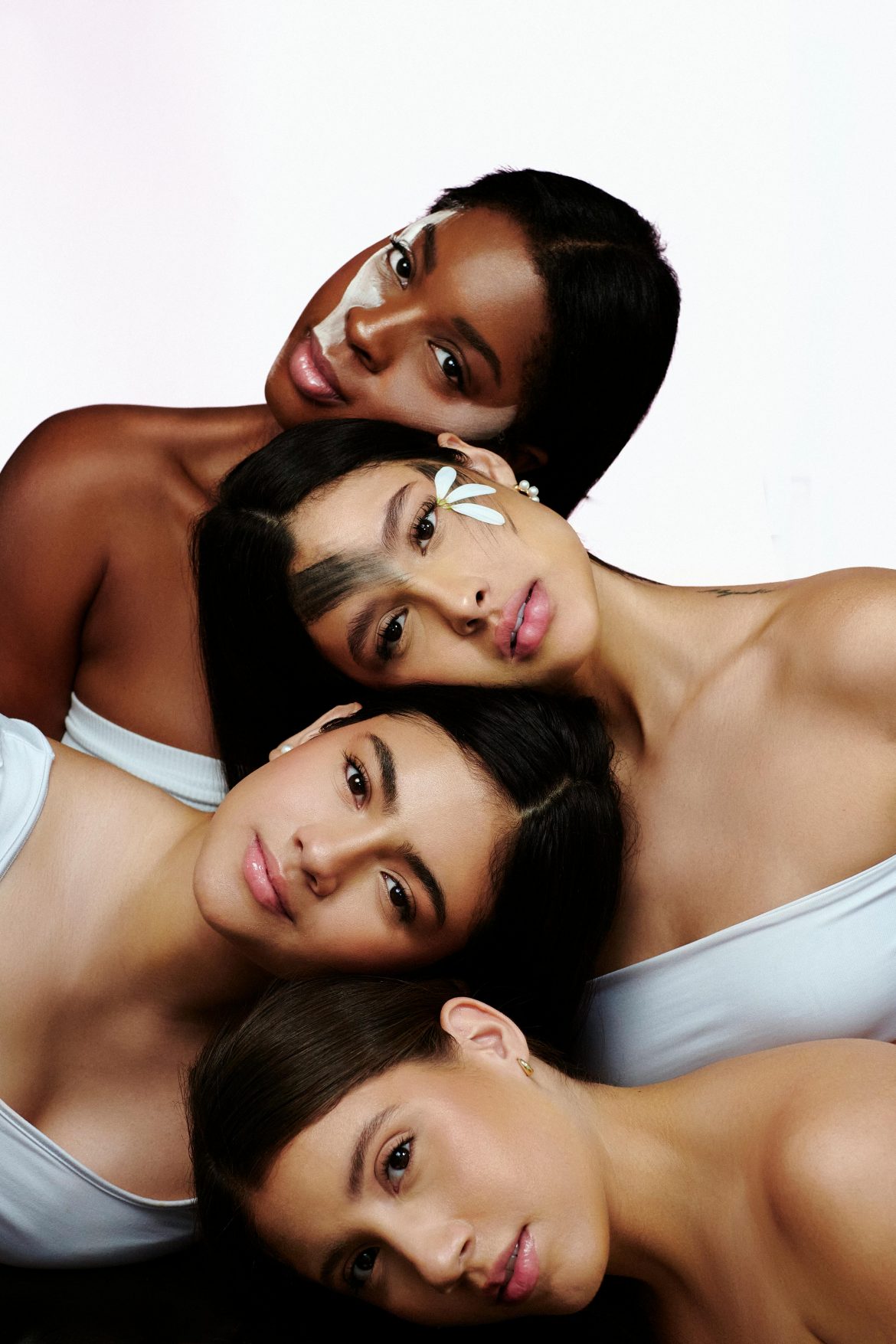
For decades, Estée Lauder Double Wear has stood as a true beauty cult classic — the foundation that literally wouldn’t budge, became a rite of passage for makeup lovers, and earned holy-grail status.
And now? Reformulation has arisen, a word we never thought we would hear. The internet is in full-on debate mode — split between excitement, skepticism and downright grief.
The official update: What Estée Lauder says
Earlier this year the brand unveiled a reformulated version of the iconic Double Wear foundation — now pitched as more buildable, breathable and skin-friendly, with expanded shade offerings (up to 70), 36-hour wear claims, and additional skincare-level ingredients.
This version promises to feel lighter on skin and offer more flexibility in coverage.
This shift isn’t just about performance — Estée Lauder frames it as an evolution grounded in years of research and feedback, aiming to make something legendary even better.
The internet reacts — From fans to skeptics
Across beauty forums, YouTube, TikTok and Instagram, reactions to the reformulation are loud, passionate, and deeply divided:
Devoted fans in denial (or denial and horror)
Many long-time users have reported that their newer bottles don’t feel like the old formula — whether it’s shade shifts, texture differences or oil control that seems weaker. Some even suspect changes long before the official announcement.
Some have claimed the foundation breaks up more quickly on oilier skin, or looks different on their face compared to their trusted old bottles. And yes — shade matching woes are a recurring theme too.
Mixed impressions: Maybe it’s better… maybe not
There are users who actually like parts of the new version — finding it lighter, more blendable, and still long-lasting. Testimonials from community polls and brand emails suggest some people do feel the formula feels more “skin-like” and comfortable.
This mixed bag of reactions is exactly what keeps the conversation alive. One person’s HG is another’s disappointment — and that polarity fuels countless threads, comment sections, and comparison videos online.
Ingredients & rumoured why behind the change
One big reason cited (both by users and cosmetic analysts) for reformulation is ingredient compliance. Certain ingredients previously used — like cyclopentasiloxane — have become regulated or banned in some regions, forcing brands to innovate.
With that, the new formula has reportedly added:
-
Niacinamide, Hyaluronic Acid and Glycerin for skincare benefits.
-
A newer “polymer mesh matrix” system for flexibility.
These swaps are intended to make the foundation feel better on skin, but also blur the line between makeup and skin care — something purists aren’t always happy about.
Why this matters in beauty culture
The buzz cracks beyond just “does it wear the same?” — it highlights something bigger:
Communities form emotional bonds with products
Products like Double Wear often represent more than makeup — they’re memories, rituals, and confidence boosters. Changing them can feel deeply personal.
Reformulations are now expected
With evolving regulations, sustainability pushes, and ingredient innovations, reformulations are happening across the beauty industry — but few have sparked this level of debate.
Beauty discourse today is communal and rapid
Whether it’s social media threads comparing noses and cheek swatches, or side-by-side YouTube comparisons, consumers wield collective influence like never before.
Love it, hate it, or still curious
The #DoubleWearReformulation saga is far from over. Some fans are mourning a legend they feel has changed too much, others are cautiously optimistic about a lighter, more modern version — and plenty are just waiting to try it for real and see how it performs on their skin.
One thing’s certain: when a beauty icon evolves, the internet is ready to talk.
Shop the reformulated iconic foundation:
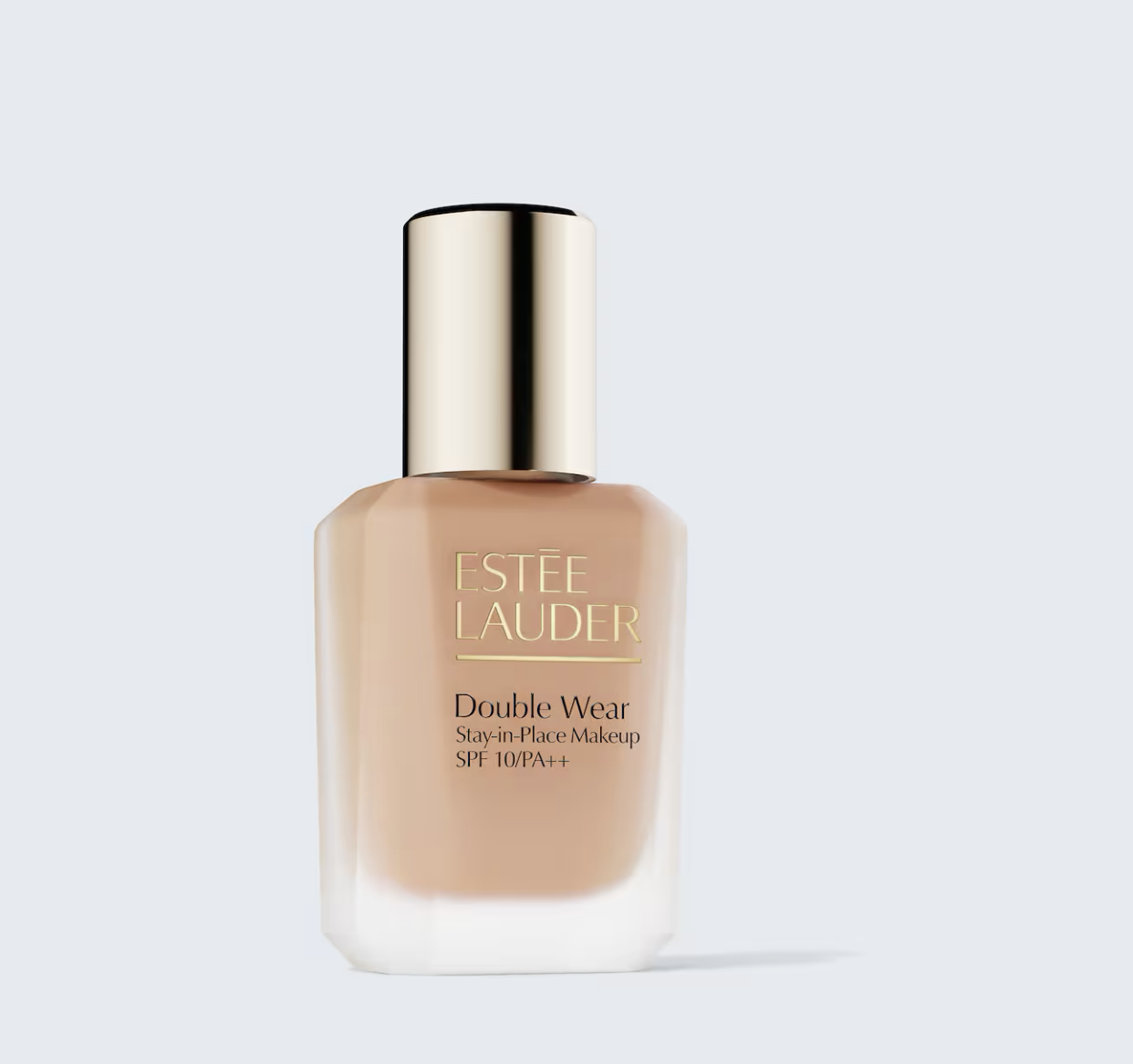
Estée Lauder Double Wear – Stay in Place Foundation
ALSO SEE:
Summer hyperpigmentation: causes, prevention and treatments that actually work
Featured Image: Pexels