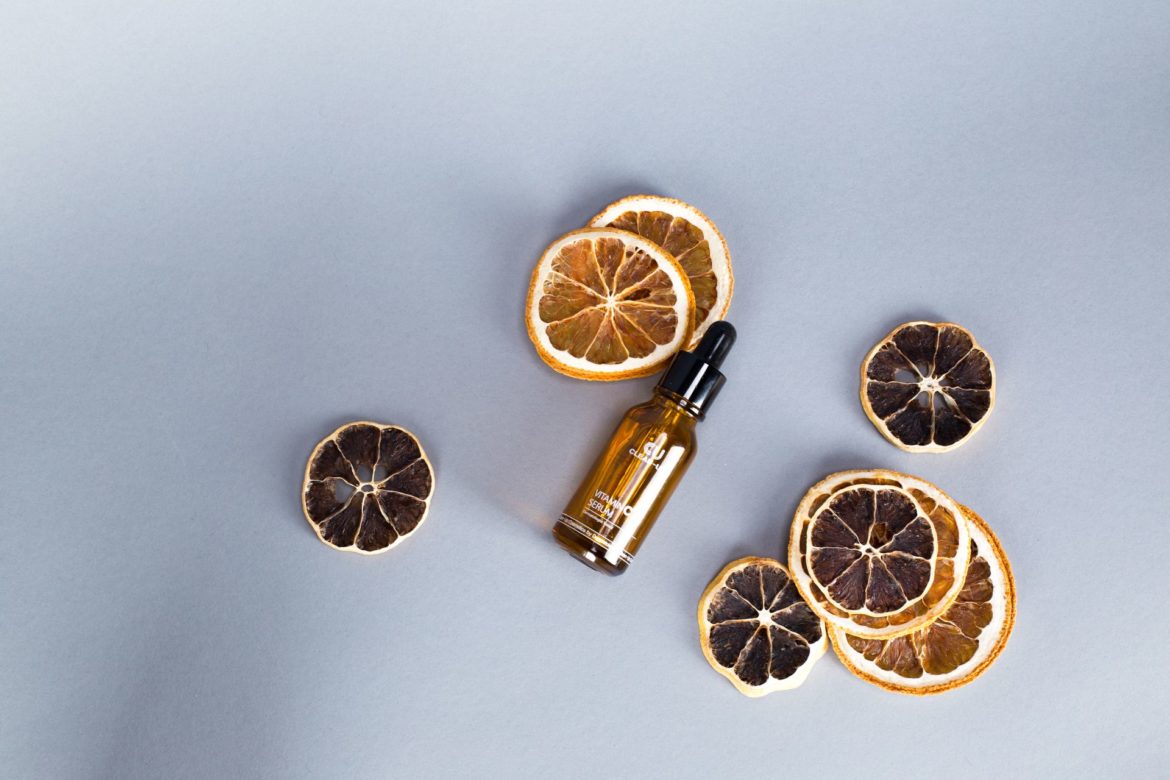
Vitamin C has held its position as skincare’s most discussed antioxidant for several decades, and the reason is not simply marketing momentum. The evidence base behind it, accumulated since the 1990s, is genuinely robust, and that sustained scientific attention is exactly what distinguishes it from newer ingredients that have arrived with considerable enthusiasm but far fewer studies behind them. That said, it comes with genuine limitations that are worth understanding before you commit to a serum.
What vitamin C does for the skin
As an antioxidant, vitamin C works by neutralising free radicals, the unstable molecules generated by UV exposure, pollution and other environmental stressors, before they can damage skin cells. This protective function is one of its most valuable and one of the most well-supported in the scientific literature. It also supports collagen synthesis, the process through which the skin produces and maintains the protein responsible for keeping it firm and resilient, which is why consistent use over time is associated with a reduction in fine lines and improved skin elasticity.
Beyond structural benefits, vitamin C inhibits the activity of tyrosinase, the enzyme responsible for producing melanin. This makes it an effective ingredient for fading existing dark spots and preventing new hyperpigmentation from forming, producing a brighter and more even complexion over time. It also works synergistically with other actives, enhancing the effectiveness of ingredients like vitamin E, ferulic acid and SPF when used alongside them.
The stability problem
Vitamin C’s primary weakness in skincare is its instability. The purest and most biologically active form, L-ascorbic acid, degrades relatively quickly when exposed to oxygen, light, heat or trace metal contamination. A fresh vitamin C serum is typically clear or a very pale yellow with a mild or slightly metallic scent. Once it begins to oxidise, it shifts to a deeper yellow, then orange, then brown, and the smell changes too. A product that has turned is largely ineffective, and the colour change is the signal to discard it. Most vitamin C products have a useful shelf life of three to six months after opening, even well-formulated ones.
In response to this instability, cosmetic formulators have developed more stable derivative forms: sodium ascorbyl phosphate, magnesium ascorbyl phosphate, ascorbyl glucoside, ethyl ascorbic acid and tetrahexyldecyl ascorbate are among the most common. These derivatives are gentler and more stable in formulation, but they require conversion on the skin before they can act as active vitamin C, which means their efficacy is generally lower than that of L-ascorbic acid at equivalent concentrations. Concentrations of L-ascorbic acid above 20 per cent also tend to be irritating, so finding the right balance between potency and tolerability is a genuine formulation challenge.
How to use it well
To get the most from a vitamin C serum, store it in a cool, dark place and close the bottle properly after every use. Apply it to clean skin in the morning before your moisturiser and SPF. While it is not a sunscreen, it complements sun protection by addressing oxidative stress from UV radiation at the cellular level. If your skin is sensitive or you have rosacea or eczema, start with a lower concentration, ideally below 15 per cent L-ascorbic acid, or consider a gentler derivative form.
How it compares to other antioxidants
The honest answer is that vitamin C retains its position at the top of the antioxidant category primarily because nothing else has yet accumulated a comparable body of clinical evidence. Niacinamide, also known as vitamin B3, is considerably easier to formulate with and has a well-established record for addressing inflammation, pore size, hyperpigmentation and skin barrier function, making it a strong alternative for sensitive skin types that find vitamin C reactive.
Ferulic acid is a plant-derived antioxidant most commonly used alongside vitamin C and vitamin E, where it stabilises both and significantly extends their combined effectiveness. Ectoin has emerging research demonstrating benefit against UV-related photoageing and skin barrier support. Vitamin E, also called tocopherol, is a natural antioxidant produced in the skin itself and works particularly well in oil-based formulations alongside vitamin C.
None of these alternatives matches vitamin C’s full evidence base, and using them does not require choosing between them. A routine that includes vitamin C in the morning and niacinamide or ectoin at other points in the day gets the best of both. Science still backs vitamin C. The case for it remains solid, provided you store it correctly and replace it before it turns.
ALSO SEE:
Glass skin decoded: The science behind the glow everyone wants
Featured Image: Pexels