
Cape Town’s glow doctor, Dr Fawzia Salie, breaks down the biggest beauty myths keeping South African women from feeling their most confident.
In the world of beauty, myths spread faster than TikTok trends. From “Botox freezes your face” to “skincare
alone can erase pigmentation,” misinformation often leads to confusion — or worse, wasted time and money.
Let’s separate fact from fiction.
Written by Dr Fawzia Salie, Aesthetic GP and Director of Aesthete, Cape Town
ALSO SEE: Everything you should know about Bakuchiol for a retinol alternative
Myth 1: “Botox makes you look fake.”
Pexels
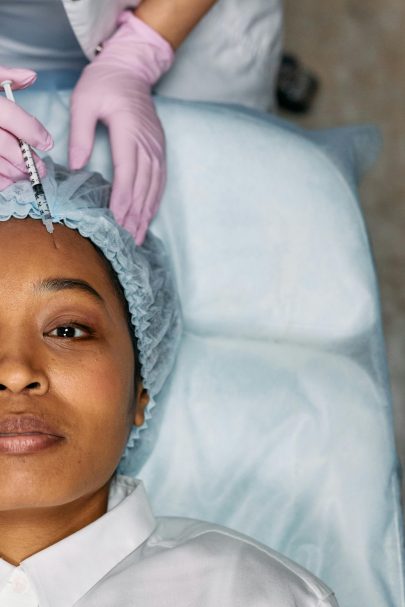
Truth: When done correctly, Botox doesn’t change your face — it refreshes it. The “frozen” look comes from
poor technique or over-treatment. My philosophy at Aesthete is always natural enhancement: softening
expression lines without erasing the personality that makes you you. Think of it as editing a photo, not
applying a filter.
Myth 2: “If you start fillers, you’ll have to keep doing them forever.”
Truth: Fillers naturally dissolve over time — usually within 6 to 18 months, depending on the product and area.
You won’t “deflate” if you stop; you’ll simply return to your baseline. Many patients actually look better long
term because fillers stimulate collagen production, subtly improving skin quality.
Myth 3: “Only older women get aesthetic treatments.”
Truth: Preventive treatments are one of the biggest shifts in modern aesthetics. Millennials and Gen Z are
using small doses of Botox or skin boosters to delay visible ageing, not reverse it. Prevention is easier — and
more cost-effective — than correction.
Myth 4: “Dark skin doesn’t need sunscreen.”
Pexels
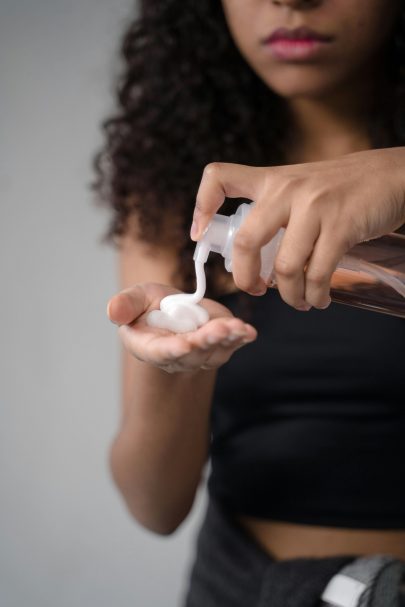
Truth: Melanin offers some natural protection, but not enough to prevent photoaging or pigmentation. In
South Africa’s intense UV climate, SPF is essential for all skin tones — especially for brown and Black skin
prone to post-inflammatory pigmentation.
Myth 5: “Skincare can fix everything.”
Truth: Medical-grade skincare lays the foundation for healthy skin, but some concerns — like deep wrinkles,
scarring, or volume loss — need in-clinic solutions. Treatments like chemical peels, microneedling, PRP, or
laser can target what creams simply can’t reach. The best results come from a combination of at-home care
and professional treatments.
Myth 6: “Aesthetics is vanity.”
Truth: Confidence is not vanity. Feeling comfortable in your own skin impacts every part of your life — how
you show up at work, in relationships, and even your mental health. Aesthetic medicine, when approached
ethically, is not about changing who you are. It’s about helping you feel like your best self.
Final word: Aesthetic medicine is both art and science — rooted in anatomy, safety, and balance. The best
outcomes come from collaboration between patient and practitioner, guided by honesty and education,
not trends or fear.
About Dr Fawzia Salie:
Dr Fawzia Salie is a medical doctor with a special interest in aesthetic medicine and skin health. She is the
founder and director of Aesthete, a leading medical aesthetics practice in Claremont, Cape Town. Known for
her natural, ethical approach to injectables and skin rejuvenation, Dr Fawzia helps patients achieve
confidence through subtle, balanced results.
“Confidence is not vanity — it’s self-care.”
Dr Fawzia’s Top 3 Glow Tips
- Daily SPF is non-negotiable – SPF 50 for every skin tone, rain or shine.
- Combine skincare with professional treatments – Your products are the foundation; in-clinic treatments
are the results. - Start preventative aesthetics early – Small tweaks now save bigger corrections later, naturally
ALSO SEE:
Featured Image: Pexels