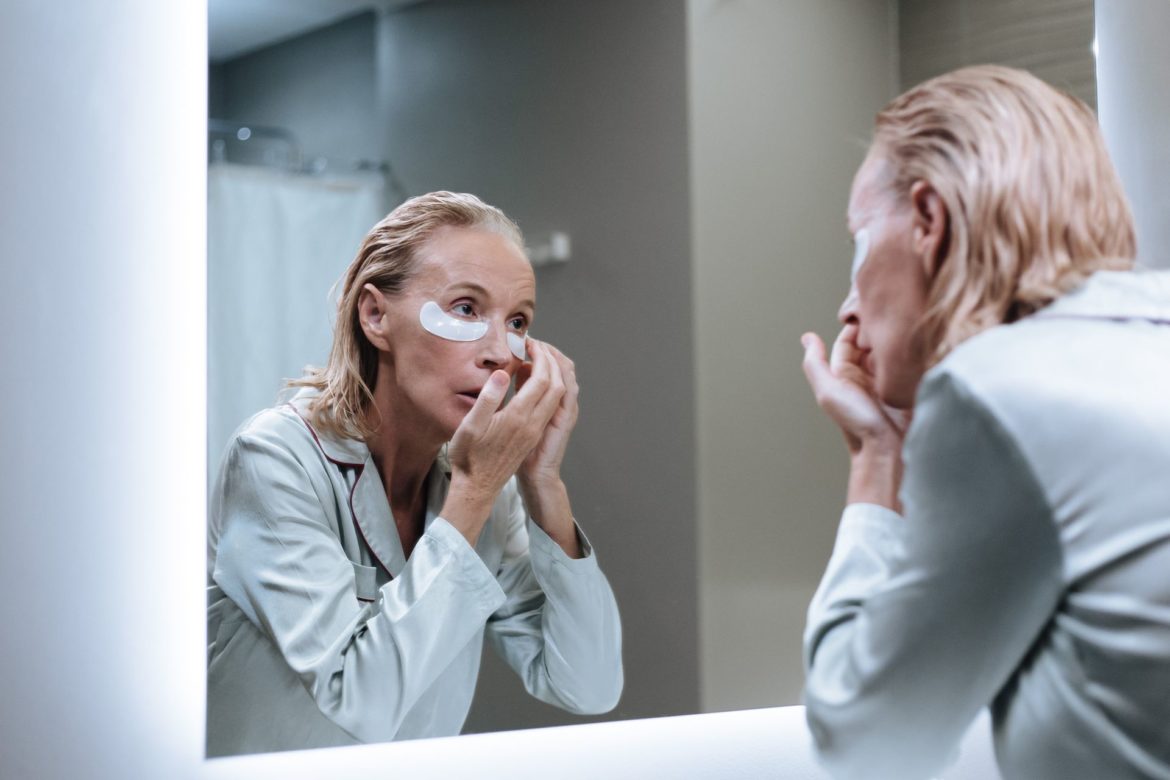
Skin in the 40s does not suddenly need a shelf full of stronger products. What often changes is tolerance. Hormonal shifts, cumulative sun exposure and a gradual drop in oil production can make dryness, pigmentation, fine lines and sensitivity more noticeable, which means routines that once felt effortless can start to feel irritating.
The useful question is not how to erase every sign of age. It is whether the routine is protecting the skin barrier, addressing a real concern and staying consistent enough to work. Several common habits get in the way of that.
Skipping daily sun protection
UV exposure remains one of the biggest drivers of premature skin ageing, including uneven pigmentation, roughness and fine lines. Sunscreen is therefore not the final optional step in an anti-ageing routine. It is the foundation.
A broad-spectrum SPF 30 or higher makes sense for daily exposed skin, with reapplication when spending extended time outdoors. Hats, shade and protective clothing matter too. Expensive serums cannot compensate for repeatedly leaving skin unprotected.
Making retinol do too much too fast
Retinol and other retinoids can help improve fine lines, uneven tone and texture, but more frequent use is not automatically better. Starting too aggressively often leads to dryness, stinging and peeling, especially when the skin barrier is already becoming drier with age.
Introduce a low-strength product gradually and use it at night. If irritation appears, reduce frequency and support the skin with moisturiser. Retinoids are not suitable during pregnancy, and persistent redness or sensitivity is a reason to get individual dermatology advice rather than pushing through discomfort.
Treating exfoliation like a competition
Layering multiple acids, at-home peels and rough scrubs can leave mature skin feeling raw rather than radiant. Exfoliation should remove excess surface cells without creating ongoing tightness, burning or flaking.
Choose one exfoliating approach, use it at a frequency your skin tolerates and avoid stacking it with every other strong active on the same night. A gentle cleanser is usually a better everyday choice than a gritty scrub or stiff cleansing brush.
Letting the routine become crowded
Long routines can look impressive while making it harder to work out what is helping. Introducing several new products at once also makes reactions difficult to trace. If the skin becomes irritated, there is no obvious culprit.
A simpler routine built around cleansing, moisturising and sun protection gives active treatments a clearer job. Add one targeted product at a time and give it long enough to show whether it earns its place.
Forgetting that dryness changes the rules
As skin becomes drier, richer moisturising textures may become more comfortable than formulas that worked a decade earlier. Humectants can draw water into the outer skin, while ingredients such as ceramides and other emollients help reduce moisture loss and support the barrier.
The same principle applies below the jawline. Neck, chest and hands receive years of sun exposure too, so sunscreen and moisturiser should not stop at the face.
Consistency beats constant reinvention
Most skincare needs time. Moisturiser can make skin feel better quickly, while changes in pigmentation, texture or fine lines usually take weeks to months. Constantly switching products can create irritation without giving any one routine a fair trial.
Over 40, good skincare is less about chasing a younger face and more about keeping skin comfortable, protected and functioning well. That usually means fewer dramatic fixes and more attention to the habits that hold up over time.
ALSO SEE:
Featured Image: Pexels