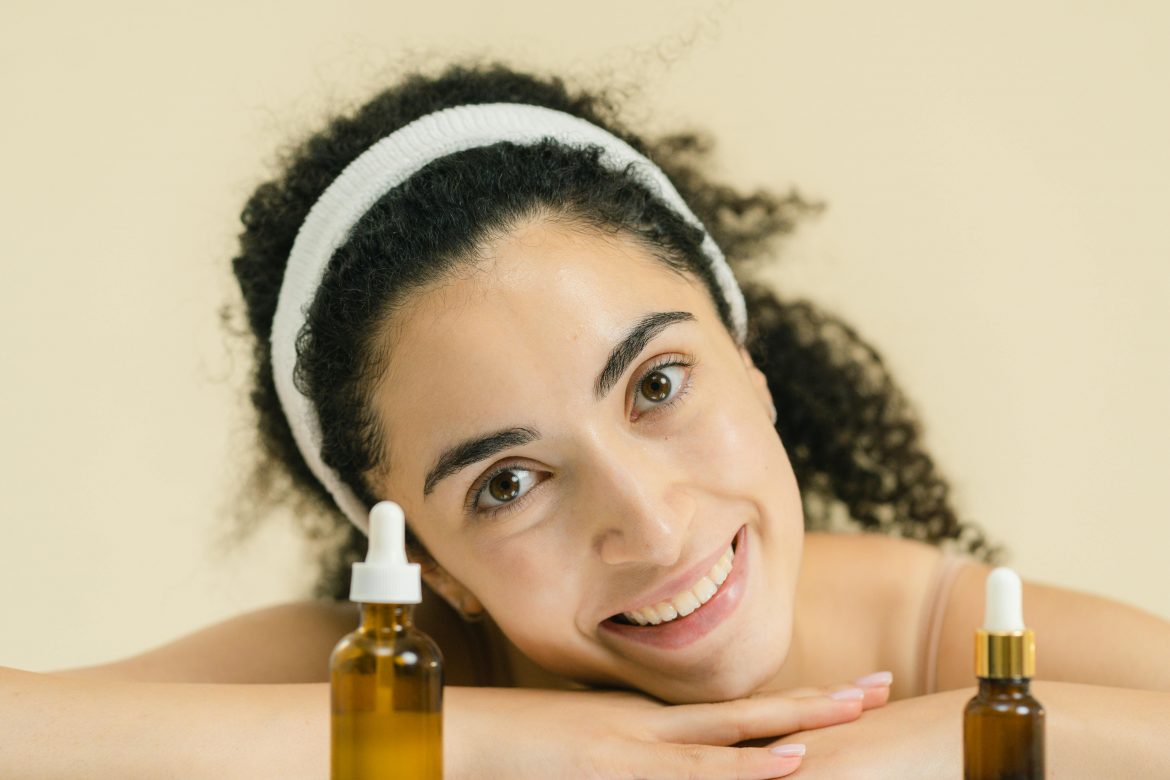
Is it just another social media skincare trend? We learn if skin flooding is different than moisturising, what its benefits are, and who should try it.
ALSO SEE: Embrace bare beauty with skinimalism – The secret to healthier looking skin
If you’re what they call chronically online, you may have heard of the latest craze called skin flooding. The technique has been gaining momentum on social media, but what is it exactly, and how is it different than just moisturising your skin? Turns out, this trend is rooted in skincare science. Here’s what you need to know.
What is skin flooding?
Skin flooding is all about hydration. It focuses on layering water-based products onto damp skin. The idea is to ‘flood’ the skin with moisture, instead of using a single cream to do the job. This technique is great for barrier support and works well for dehydrated skin that lacks water (not oil). It improves dullness, fine lines are less pronounced, and it’s better for make-up application.
How it works
Skin flooding usually works if done in three to four steps, applied in quick succession:
- Gentle cleanser – to remove impurities without stripping the skin
- Hydrating toner – preferably containing humectants such as glycerin or hyaluronic acid
- Lightweight serum – focus on hydration rather than actives
- Moisturiser – to lock everything in
But how is this different from a normal skincare routine? The key is each layer is applied while the skin is slightly damp, which helps humectants draw water deeper into the skin.
How is this different from moisturising?
Traditional moisturising involves applying cream to dry skin as a final step. Moisturisers are designed to seal moisture in, but not necessarily to add significant hydration on their own. With skin flooding, the approach is flipped. Hydration is built gradually instead of expecting one product to do all the work. Moisturiser is then used as the final step, used to finish the seal rather than the main hydrator.
Who should try skin flooding?
Everyone can try it, but it’s particularly helpful if you:
- Have flaky or tight skin, even if you use a moisturiser
- Use actives like retinol or acids
- Live in an air-conditioned environment
- Notice dehydration as you age
How often should you skin-flood?
Once daily is enough, usually in the evenings. This is enough to restore hydration levels without overwhelming the skin. You can, however, do it more frequently in winter or in high-stress periods.
You don’t have to buy more products to do this. It’s about using what you have but more strategically. Layer with intention and prioritise hydration, and your skin will absorb more moisture, rather than just sitting on your skin.
ALSO SEE: