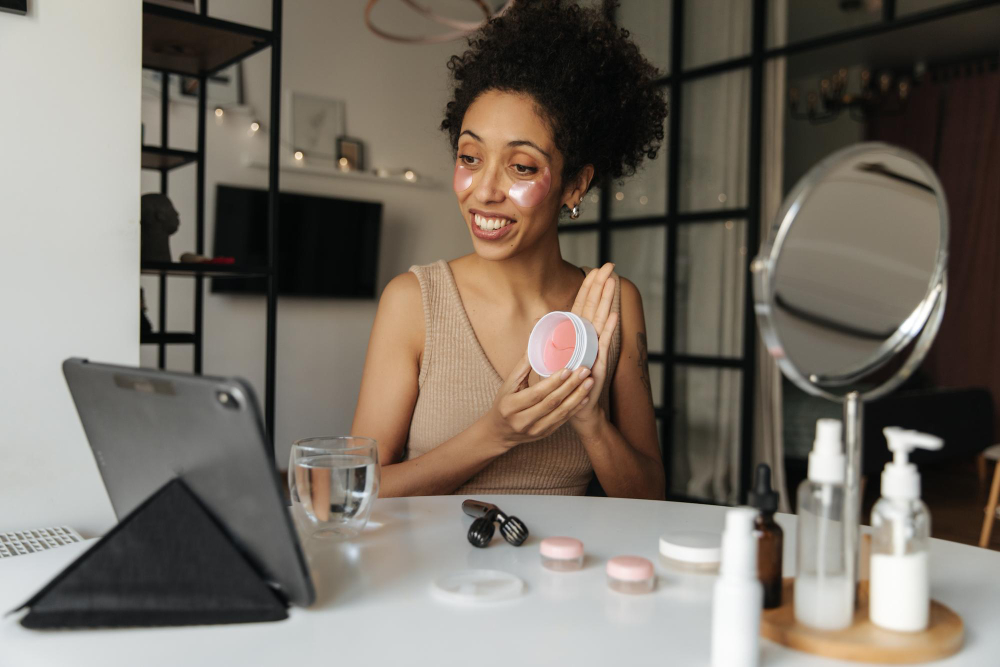
Personalisation has become one of the most exciting trends in beauty, and artificial intelligence is leading the transformation. Instead of relying on generic products, AI-powered tools can analyse individual features such as skin type, tone, texture, lifestyle and even environmental factors. The result is beauty recommendations that are tailored specifically to you.
Here’s how to make AI work for your beauty routine:
ALSO SEE: AI as a daily life companion – not just a tool
Beauty that understands you
For decades, the beauty industry relied on a one-size-fits-most approach. Products were designed for broad categories like ‘dry skin’ or ‘oily skin’, leaving many women experimenting through trial and error. Today, artificial intelligence is changing that model.
AI-powered beauty platforms analyse detailed data points – from skin tone and texture to lifestyle habits and climate – to deliver highly personalised recommendations. Instead of guessing which products might work, consumers can receive tailored routines designed specifically for their skin, preferences, and goals.
Smart skin analysis from a single selfie
One of the most popular uses of AI in beauty is digital skin analysis. Using advanced image recognition technology, AI tools can evaluate high-resolution photos to detect concerns such as fine lines, wrinkles, hyperpigmentation, acne, redness and dehydration.
These systems compare the image to vast dermatological datasets, allowing them to identify patterns and potential skin issues with impressive accuracy. Some platforms even track skin changes over time, helping users monitor improvements or detect new concerns early.
The result is a customised skincare routine that may include targeted ingredients – like hyaluronic acid for hydration, retinol for fine lines or niacinamide for balancing oil production – based on the user’s unique skin profile.
Customised formulas and ingredient matching
AI is also enabling brands to go beyond recommendations and create products tailored to individuals. Some companies now offer customised skincare formulas where customers complete a detailed online assessment about their skin type, sensitivities, lifestyle and environment.
AI systems process this information to generate personalised formulations, blending active ingredients in specific concentrations. Factors such as pollution exposure, humidity levels, sleep habits and stress can influence the final formula.
This approach moves skincare away from generic solutions and toward precision beauty – products designed to address a user’s exact needs rather than broad categories.
Virtual make-up try-ons and perfect shade matching
Shopping for make-up online has traditionally been difficult, particularly when choosing foundation, concealer or lipstick shades. AI-powered colour analysis is solving this problem.
By analysing undertones and facial features, AI tools can recommend foundation shades with remarkable accuracy. Virtual try-on technology allows users to see how different make-up products will appear on their face in real time using augmented reality.
Consumers can experiment with different looks – bold lipstick shades, contouring styles, or eye make-up trends – without ever opening a product. This not only improves the online shopping experience but also reduces product waste and returns.
Beauty that evolves with you
Skin is constantly changing due to factors like age, hormones, stress, diet and seasonal weather. AI systems are designed to adapt to these changes. As users log product usage, track results or upload updated photos, the algorithms refine their recommendations.
For example, a skincare routine that works well in winter may need adjustments during warmer months when oil production increases. AI can detect these shifts and suggest alternative products or ingredients to maintain healthy skin throughout the year.
The rise of the digital beauty consultant
AI is effectively becoming a personal beauty advisor that lives on your smartphone. Available through apps and online platforms, these systems can guide users through skincare routines, suggest new products and even send reminders for consistent application.
For many women, this accessibility makes expert-level beauty advice more attainable than ever before. Instead of visiting a beauty counter or dermatologist for every question, users can receive immediate, data-driven insights at home.
The future of personalised beauty
As artificial intelligence continues to evolve, the beauty industry is likely to become even more individualised. Future innovations may combine AI with wearable devices that track skin hydration or environmental exposure in real time. Genetic testing could also play a role in identifying predispositions to certain skin concerns, allowing products to be formulated with even greater precision.
Ultimately, AI-powered beauty represents a shift from reactive skincare to proactive, personalised care. By combining technology with dermatological science, the industry is moving toward a future where every woman’s beauty routine is as unique as her skin.
ALSO SEE:
Why your skincare stops working at a certain age – and how to adjust your routine
Featured Image: Freepik