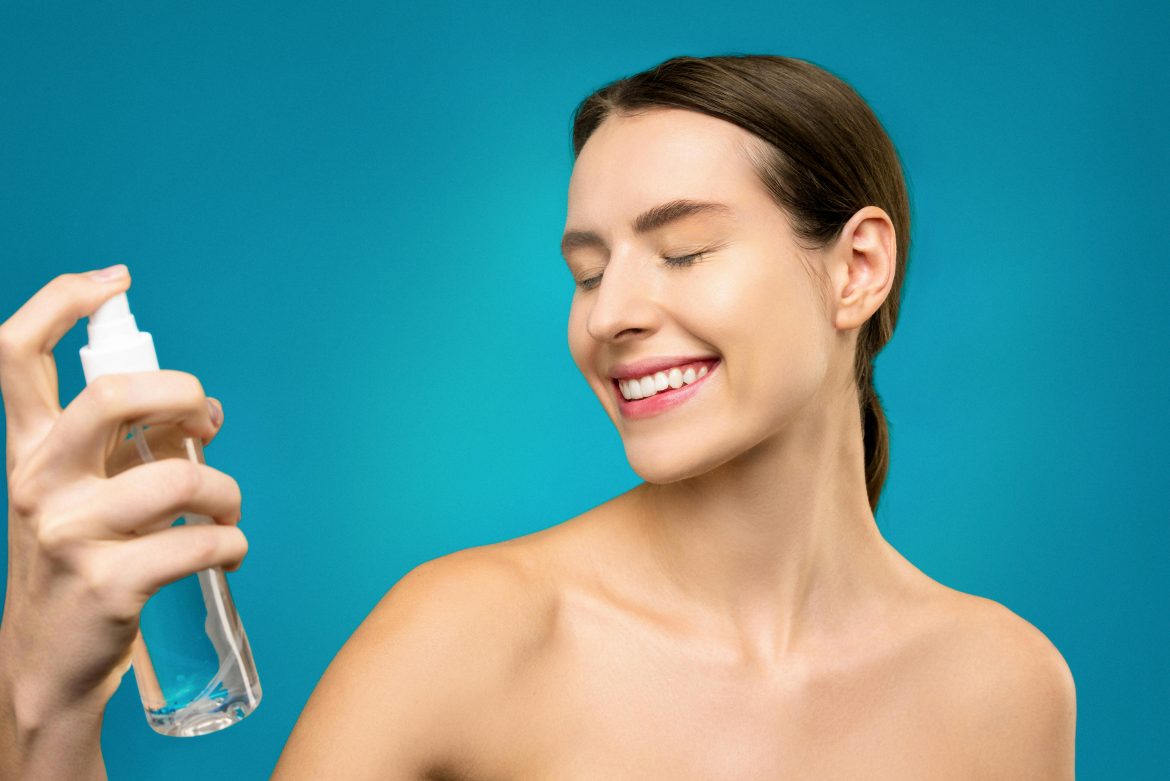
If you’ve ever dealt with acne, redness or irritation on your skin – and we bet you have – hypochlorous acid needs to be in your skincare routine. Known for its antibacterial properties, it soothes and speeds up healing. Learn why this gentle acid might be the ideal addition to your skincare.
ALSO SEE: Skinimalism: Why less is more in modern skincare
It’s usually used in wound care and ophthalmology, but hypochlorous acid is now gaining attention in skincare. The reason is simple: it’s gentle, effective and quite versatile. It can help calm stubborn breakouts, reduce redness and support sensitive or reactive skin.
Even more impressive, hypochlorous acid is something that your body naturally produces. This makes it especially compatible with your skin. Here is why this might this be the secret weapon in your vanity case.
What is hypochlorous acid?
Hypochlorous acid is produced by your white blood cells as part of the immune response. It fights harmful bacteria and supports healing. In skincare, it’s typically delivered as a diluted, stabilised facial mist.
Because it mimics a natural process in the body, it works with the skin, not against it. This makes it suitable for most skin types, including sensitive skin.
How does it benefit the skin?
Hypochlorous acid has potent antibacterial and antifungal properties. As a result, it helps reduce the bacteria that contribute to breakouts and irritation. Unlike harsh treatments, it doesn’t strip or damage the skin barrier.
For those prone to acne, it can calm reactive breakouts and prevent new ones from forming. It’s also useful after exercise. Spritzing it onto clean skin helps neutralise sweat-related bacteria before it clogs the pores.
Over time, this can support clearer, calmer skin.
Acne, inflammation and redness
Beyond fighting bacteria, HOCI helps regulate inflammation. This is why it’s often recommended for conditions like eczema, rosacea or sensitive skin.
It works by supporting the skin’s natural healing response. As a result, redness and irritation are reduced quicker. Skin feels calmer, more balanced and less reactive.
How to use it
One of its biggest strengths is its versatility. Apply it to clean skin before your serums or moisturisers. Simply mist your face and let it dry.
It may have a chlorine-like scent at first. However, this fades quickly. Because it’s highly diluted, it’s safe for daily use and gentle enough for sensitive areas, even around the eye area.
The bottom line
If you struggle with breakouts, sensitivity or redness, hypochlorous acid is worth considering. It’s gentle, effective, and works in harmony with your skin.
Don’t let the word ‘acid’ intimidate you. Unlike harsher exfoliating acids, this one soothes rather than strips. Over time, it can help support healthier, clearer, and more resilient skin.
ALSO SEE:
Featured image: Pexels