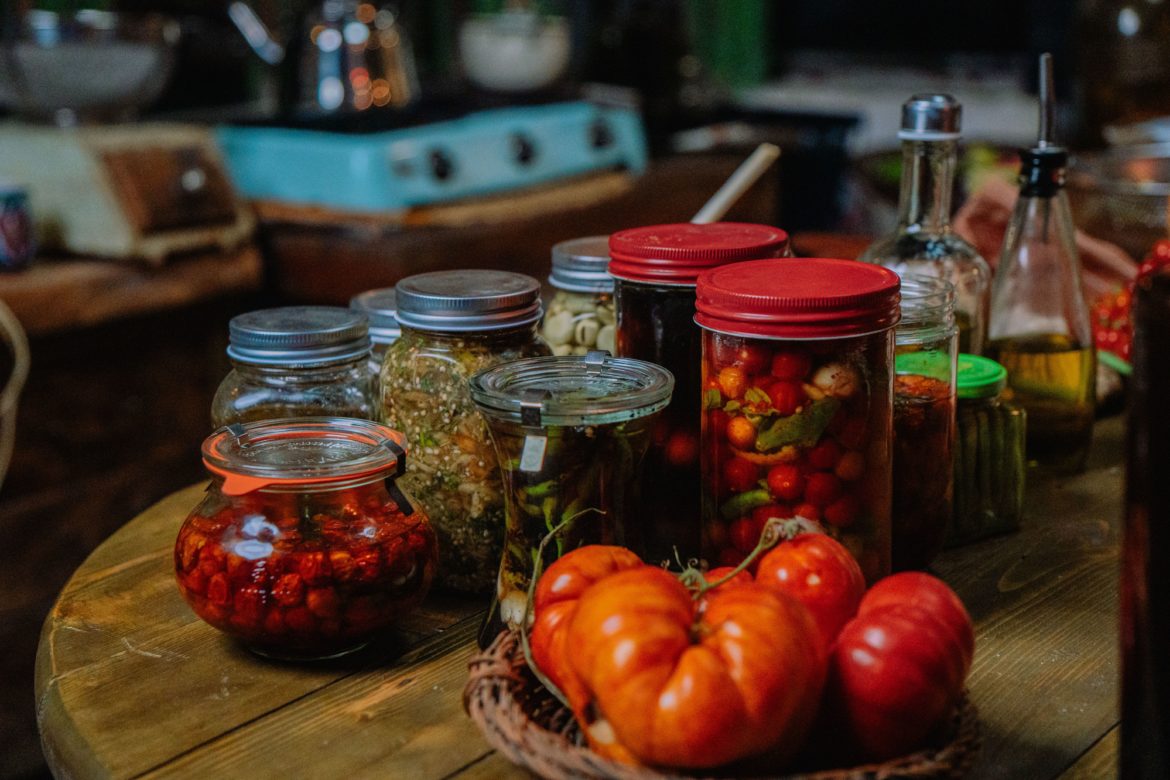
We’ve all been there. You buy a big bag of tomatoes or a bunch of bananas, and a few days later they’ve gone bad. Throwing food away wastes money, especially when grocery prices keep going up. Preserving your food is one simple way to make your money go further. Here are five easy ways to do it at home.
ALSO SEE: Vegetables slowly dying in your fridge? Here’s what to cook with them
1. Freeze it
The freezer is the easiest place to start. Bread, cooked meals, grated cheese and chopped herbs all freeze well. For fruit and vegetables, wash and chop them first, then spread the pieces out on a tray and freeze them until firm. Once they’re frozen, move them into a bag or container. This stops them from sticking together, so you can take out only what you need.
Write the date on each bag so you know how long it’s been in there. Most things are best used within three months.
2. Dry it
Drying removes the water that makes food go off. It works well for herbs and fruit.
To dry hardy herbs like rosemary, thyme and oregano, tie small bunches together and hang them upside down in a dry, airy spot for a week or two. To dry fruit, slice apples, mangoes or bananas thinly and place them on a tray in the oven on a very low heat, around 60°C, with the door slightly open. This takes several hours, so turn the slices now and then. They’re ready when they feel leathery and not sticky.
Once everything is completely dry and cool, store it in a clean jar with a tight lid.
3. Pickle it
Pickling means keeping vegetables in a mix of vinegar, water, salt and a little sugar. Onions, carrots, cucumbers, beetroot and green beans all work well. Pack the vegetables into a clean glass jar, pour the warm vinegar mixture over them, let it cool, then put the jar in the fridge. They’ll be ready to eat after a couple of days.
Pickles kept in the fridge last about a month. They go well with sandwiches, salads and anything off the braai.
4. Make jam or chutney
If your fruit is getting too ripe, jam or chutney is a great way to use it up. Cook the fruit with sugar until it’s thick and sticky. For chutney, add vinegar and spices as well. Spoon it into clean jars while it’s still hot and put the lids on straight away.
Before you start, wash your jars in hot, soapy water and dry them in a warm oven for a few minutes. Clean jars are what keep your jam or chutney safe to eat. Once a jar is opened, keep it in the fridge.
5. Store it the right way
Sometimes you don’t need to do anything special. You just need to keep food in the right place. Onions, potatoes and pumpkin like a cool, dark, dry spot, but keep the potatoes and onions apart, as they make each other go off faster. Fresh herbs like coriander and parsley last longer in a glass of water in the fridge, a bit like flowers in a vase.
Keep leftover bread in the freezer instead of the bread bin, and store rice, flour and pasta in sealed containers so they stay fresh and free of pests.
Start with one
You don’t have to try everything at once. Choose the method that suits your kitchen and your routine, and take it from there. Over time, you’ll waste less food, save money and always have something good to eat in your cupboard or freezer.
ALSO SEE:
When local meets lekker: Elevated meals made with indigenous ingredients
Featured Image: Pexels