If months of squeezing haven’t stopped the leaks, the problem may not be a weak pelvic floor at all. Here’s what nobody told you, plus a five-minute routine to try tonight.
You sneeze in the Woollies queue, or laugh too hard at the school gate, and there it is again. You’ve been faithfully squeezing at red robots and while the kettle boils, so what’s going wrong? Most of us were told one thing about the pelvic floor, which is to do more Kegels.
That advice helps many women, but not all of them. For some, the muscles aren’t weak at all. They’re tired, tense and stuck in the “on” position, and more squeezing only makes them tighter.
You squeezed faithfully. So why is nothing changing?
Your pelvic floor is a sling of muscle that holds up your bladder, womb and bowel. Up to a third of women have a problem with these muscles at some point, and for many, midlife is when it shows. Urinary incontinence is the most frequent bladder symptom after menopause, so if this is you, you’re in very good company.
Yet fewer than half of women with leaks seek help. Many of us just keep squeezing and hope.
Strong is not the same as tight
A muscle can fail in two ways. It can be too weak to do its job, or it can be too tense to let go. Physiotherapists call the tense version a hypertonic (“overactive”) pelvic floor.
One pelvic health clinic puts it neatly: a tight muscle is never a strong muscle. A weak pelvic floor leaks because it can’t close firmly enough, while a tight one leaks because the tension slows its reaction when pressure suddenly rises. The leak looks the same, but the cause is different, and so is the fix.
This is why more Kegels can backfire. Adding load to a pelvic floor that is already overactive creates more tension, not less. Think of doing endless bicep curls for a cramped arm.
Clues your pelvic floor is clenched, not weak
You can’t diagnose yourself, and tight and weak can even happen together. But these clues are worth noticing, especially if Kegels haven’t helped:
- Urgency: sudden urinary urgency, pelvic pain, constipation and pain with intercourse can all go with a tight pelvic floor.
- Aching or pressure: a tight pelvic floor can feel like pressure, aching or cramping in your pelvis, hips, lower back or tailbone.
- Kegels that hurt or feel worse: pain during or after squeezing is a signal to stop and get advice.
- A stress-clenching habit: quick, shallow breathing, the kind we do when we’re stressed, stops the pelvic floor relaxing fully.
Stress lives in the body, and looking after your mental health can show up in places you wouldn’t expect, including down below. Deadlines, the school run and a never-ending to-do list all add up.
Try this tonight: the five-minute letting-go routine
This routine is gentle, safe for most women and needs no equipment. Do it in bed, before you reach for your phone.
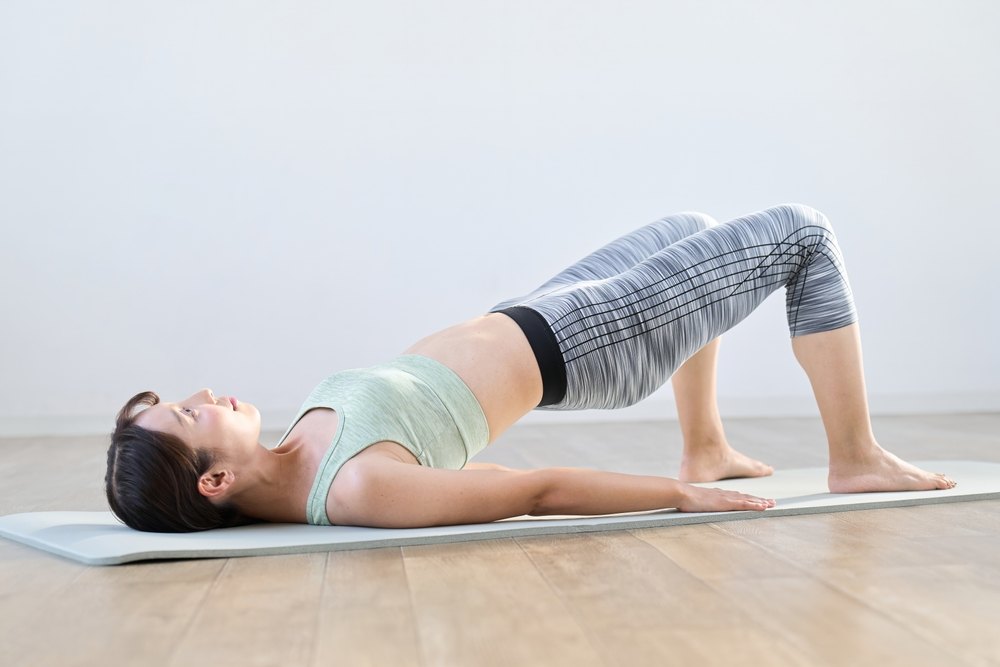
- Get comfortable. Lie on your back with your knees bent and your feet flat, or sit well supported.
- Soften your face. Relax your jaw and let your top and bottom teeth part slightly. Drop your shoulders.
- Breathe in slowly through your nose. Let your belly rise like a balloon. When you breathe in, the pelvic floor relaxes and lengthens.
- Breathe out slowly through your mouth. Let your body melt into the mattress. Don’t squeeze.
- Repeat for about five minutes. Small, calm breaths are better than huge ones, which can make you dizzy.
- Finish with child’s pose if it feels good. Kneel with your knees wide and your toes touching, then sink your hips back towards your heels as your arms reach forward. Keep breathing slowly.
Don’t expect miracles overnight. Stop if anything hurts, and take it as a cue to book an assessment.
When Kegels are exactly right
Don’t bin your Kegels just yet. For a genuinely weak pelvic floor, they are one of the best-proven treatments we have. Women with stress incontinence (leaks when you cough, sneeze or jump) who did pelvic floor training were eight times more likely to be cured than women who had no treatment or a sham one.
Technique matters, though. NHS Scotland points out that relaxing fully between squeezes matters as much as the squeeze itself. A good squeeze is a lift and release, not a clench. And patience pays: it can take two to three weeks for the brain-muscle connection to improve, and four to six months to build real strength.
Who to see, and when to stop guessing
If you’ve done Kegels properly for a few months and nothing has changed, or if they hurt, it’s time to get your muscles assessed. A women’s health physiotherapist can check whether you’re tight, weak or both, and can also offer manual therapy and other techniques alongside exercises. In South Africa, look for a physio with postgraduate pelvic health training, for example through the Pelvic and Women’s Health Physiotherapy Group.
Speak to your GP or pharmacist first if you notice any of these:
- Pain during sex, or ongoing pelvic pain
- Leaking that is getting worse, or sudden urgency with burning
- Blood in your urine
- Constipation that won’t shift, or a heavy, dragging feeling in your pelvis
None of this is a sign that something is wrong with you. Leaking is common, it’s treatable, and it is not simply “what happens” when you get older.
Sometimes the strongest thing you can do is let go.
By HealthLab
ALSO SEE:
Featured Image: HealthLab / Supplied