
You can love your partner, want to feel close and still find that intimacy feels different. During menopause, changes in desire and comfort can raise questions women do not always feel able to ask.
When sex starts to feel uncomfortable or your desire changes, it is easy to wonder what it means for your relationship. You may avoid intimacy rather than explain something you do not fully understand yourself.
Menopause can contribute to these changes but they do not mean you have lost interest in your partner or have to accept discomfort. Understanding the hormonal connection can help you find the right care and support your wellbeing through this stage of life.
Understanding the hormonal connection
Hormonal fluctuations can begin during perimenopause, while you are still having periods. As oestrogen levels decline, vaginal tissues can become thinner and drier, which can make intimacy more uncomfortable. Desire can also be affected by stress, medication and how you are feeling physically and emotionally.
These changes can overlap. Anticipating discomfort may make it harder to relax, while poor sleep or a change in mood can leave little energy for intimacy. Understanding what has changed is the first step towards finding support that addresses your experience.
Talking openly with your partner can help, particularly when changes in desire might otherwise be mistaken for a loss of affection. Persistent dryness, pain or a troubling change in libido also deserves a conversation with your healthcare professional.
Why nutritional support matters
Menopause affects more than your sexual wellbeing. It is also a time to pay attention to the nutrients your body needs, particularly as declining oestrogen accelerates bone loss. A balanced diet provides the foundation, while an appropriate supplement can help address shortfalls and provide selected nutrients consistently.
Menopause supplements may also combine vitamins and minerals with ingredients studied for symptom relief. The value lies in understanding what each ingredient contributes and choosing a formula developed for this part of life.
Support developed for menopause
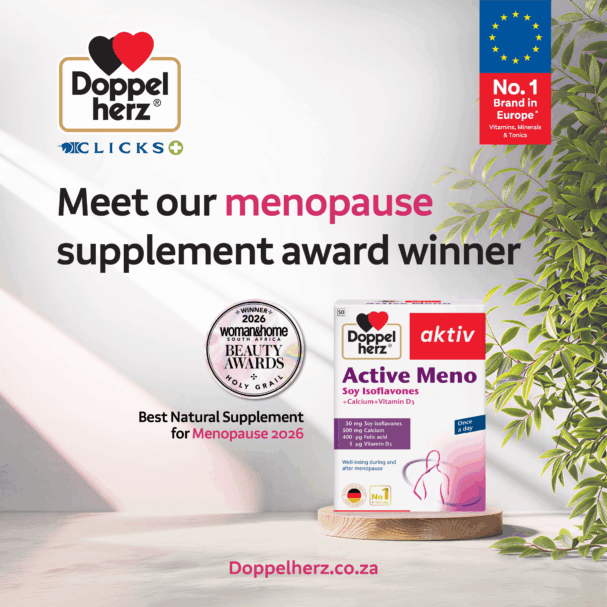
Doppelherz® aktiv Active Meno combines soy isoflavones with calcium, vitamin D3 and B-vitamins to support wellbeing during and after menopause. Its formula brings plant compounds and essential nutrients together in one daily tablet.
Soy isoflavones are plant compounds with oestrogen-like activity that have been studied for their potential to reduce hot flushes. Calcium supports bone maintenance, while vitamin D3 helps the body absorb and use calcium. Together, these ingredients give the formula a role in menopause care that extends beyond replacing a single missing nutrient.
Recognised as Best Natural Supplement for Menopause at the Woman & Home Beauty Awards 2026, Doppelherz® aktiv Active Meno offers menopause-specific nutritional support that is simple to include in your day. Alongside addressing concerns such as discomfort or changes in desire, supporting your nutritional needs is another practical way to care for yourself through this transition.
You deserve to feel supported
“Women shouldn’t feel they have to simply endure the changes that can accompany menopause,” says Integrative Healthcare Practitioner and Doppelherz® SA Advising Pharmacist Dr James Liddell.
That starts with taking your own concerns seriously. Whether intimacy feels different, symptoms are disrupting your sleep or you want to give your longer-term health more attention, there is value in understanding your options. Make targeted nutritional support with Doppelherz® aktiv Active Meno part of a menopause care approach that puts your wellbeing first.
Find Doppelherz® aktiv Active Meno at selected Clicks stores and local pharmacies or visit doppelherz.co.za. Shop online at https://www.doppelherz.co.za/products/doppelherz-aktiv-active-meno.
Complementary medicine, health supplement, multiple substance formulation.
This unregistered medicine has not been evaluated by SAHPRA for its quality, safety or intended use.