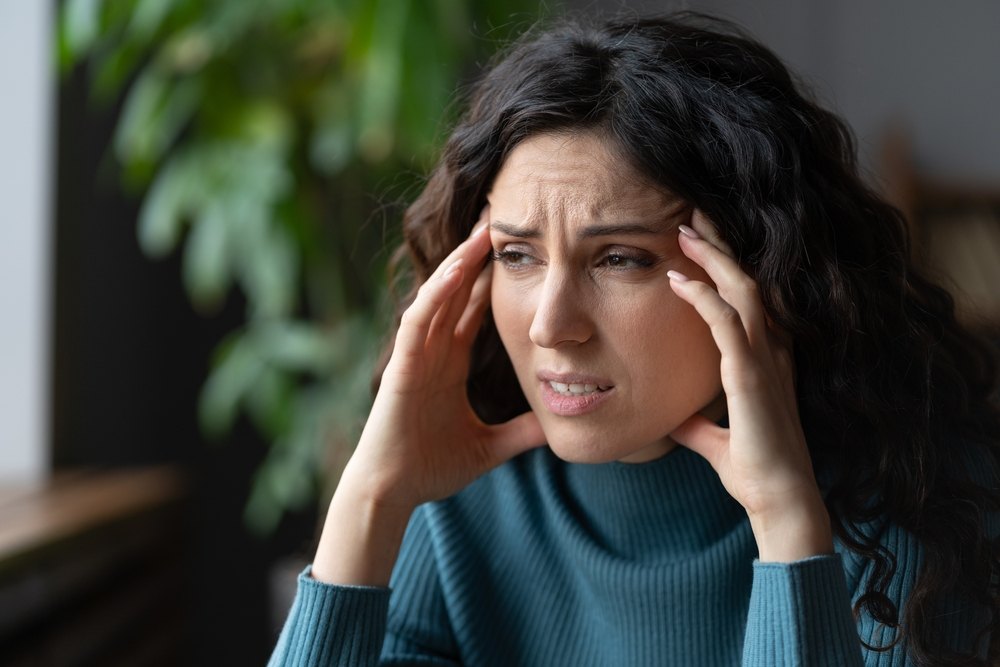
You snap at the school WhatsApp group, and your husband’s chewing sounds like a personal attack. Here’s how to tell your hormones from your humans, and what to do about both.
It’s 6.45 pm. Someone has left a wet towel on the bed again, the dog is barking, and your colleague’s “quick question” has just landed in your inbox. You feel a rage rising that seems far bigger than a towel deserves. Then you feel guilty, and then you wonder if you’re losing the plot.
You may not be, and it may not be them either. Irritability is one of the least talked-about signs of perimenopause, the years of hormonal shifting before your periods stop. Knowing the difference can change how you handle your evenings, your relationships and yourself.
The plot twist nobody put in the brochure
Perimenopause isn’t a single event. It can last anywhere from four to 10 years, and for many South African women it starts earlier than expected. Local research suggests about 14% of women notice symptoms in their mid-30s, rising to around 53% in their 40s.
The trigger isn’t simply “low hormones”. Oestrogen rises and falls during this stage, and that unpredictability seems to matter more than the overall drop. Oestrogen also influences the brain chemicals that steady your mood, so a bumpy hormone week can mean a shorter fuse.
The numbers back up what you’re feeling. Research describes up to a threefold increase in the risk of depressive symptoms during perimenopause compared with the stages before and after it. That is a reason to take your mood seriously, not a reason to panic.
Hormones or housemates? The tell-tale clues
Sometimes people really are being annoying. But a few clues point towards perimenopause.
- Your periods are changing. Early perimenopause is clinically recognised when your cycle becomes seven days longer or shorter than usual. They may also come heavier, lighter or less predictably.
- The mood dip has a pattern. Symptoms tend to feel worse in the week or so before each period.
- Irritability has company. Think night waking, brain fog, anxiety, aching joints or a flatter sex drive. Anger, anxiety, loss of confidence and poor concentration are all on the list of menopausal symptoms.
- It doesn’t feel like “you”. The rage seems out of proportion, and it surprises you too.
There’s a flip side. Mood changes can also have causes unrelated to perimenopause. Burnout, a heavy mental load, thyroid problems and plain old exhaustion can look much the same. That’s why a chat with your doctor beats guessing. Our guide to common symptoms of perimenopause can help you start a list.
The sleep thief making everything worse
Here’s the sneaky part. Night sweats, a racing mind at 3 a.m., and early waking steal your rest, and tiredness makes everything more irritating. Lack of sleep and tiredness can make irritability, poor concentration and anxiety worse.
So fixing sleep is often the quickest route to feeling like yourself again. Addressing sleep problems may help you manage some of the mental health symptoms of this life stage. Nobody is asking you to become a wellness guru. A few small tweaks do the job.
Try this tonight: the 10-minute wind-down
Screenshot this one for later.
- Write tomorrow’s list. Spend two minutes getting the to-dos out of your head and onto paper.
- Cool the room. Open a window or use a fan, and wear or sleep under light, breathable layers you can peel off.
- Park the phone. Put work messages and the family group chat out of reach.
- Move gently. Do five minutes of stretching or a slow walk around the garden. Experts say exercise, yoga and relaxation are unlikely to do harm and offer wider health benefits, even though perimenopause-specific proof is still growing.
- Slow your breathing. Take a few minutes of long, slow breaths in bed.
- Jot one line in a symptom diary. Note your mood, sleep and where you are in your cycle. In a month, you’ll see patterns.
It also helps to go easy on evening wine, because alcohol tends to make night sweats and broken sleep worse.
Talk to someone: help that goes beyond “just cope”
You do not have to white-knuckle this. In 2024, the UK’s NICE guideline recommended menopause-specific cognitive behavioural therapy (CBT) for hot flushes and night sweats, either alongside HRT or as an alternative if you can’t or prefer not to use it. NICE also recommends CBT for sleep problems and depressive symptoms linked to menopause. CBT is a practical talking therapy that helps you change unhelpful thought and behaviour patterns.
Hormone replacement therapy (HRT) is another option many women discuss with their doctors, and there are non-hormonal choices too. Where to start with your options is a good first read before you book an appointment.
When to book that appointment
See your GP or a pharmacist if your symptoms are disrupting life at home or work. One guideline suggests seeking help if symptoms that interfere with your functioning last more than two weeks.
Please don’t wait if you feel persistently hopeless, have lost interest in things you love, or have thoughts of harming yourself. Menopausal mood changes shouldn’t be confused with depression, which is more serious, with very low mood that is more constant. Both are treatable. Also mention it if your periods become very heavy or you bleed between periods. Take your symptom diary along, since it gives your doctor something solid to work with.
Remember that a history of PMS or postnatal depression can make you more sensitive to these hormonal swings, as Mayo Clinic notes. That’s biology, not weakness.
So the next time the wet towel hits the floor, take a breath and ask one question: is it them, is it me, or is it my hormones? Sometimes the answer is all three, and every one of those is something you can do something about.
By HealthLab
Photo: HealthLab / Supplied