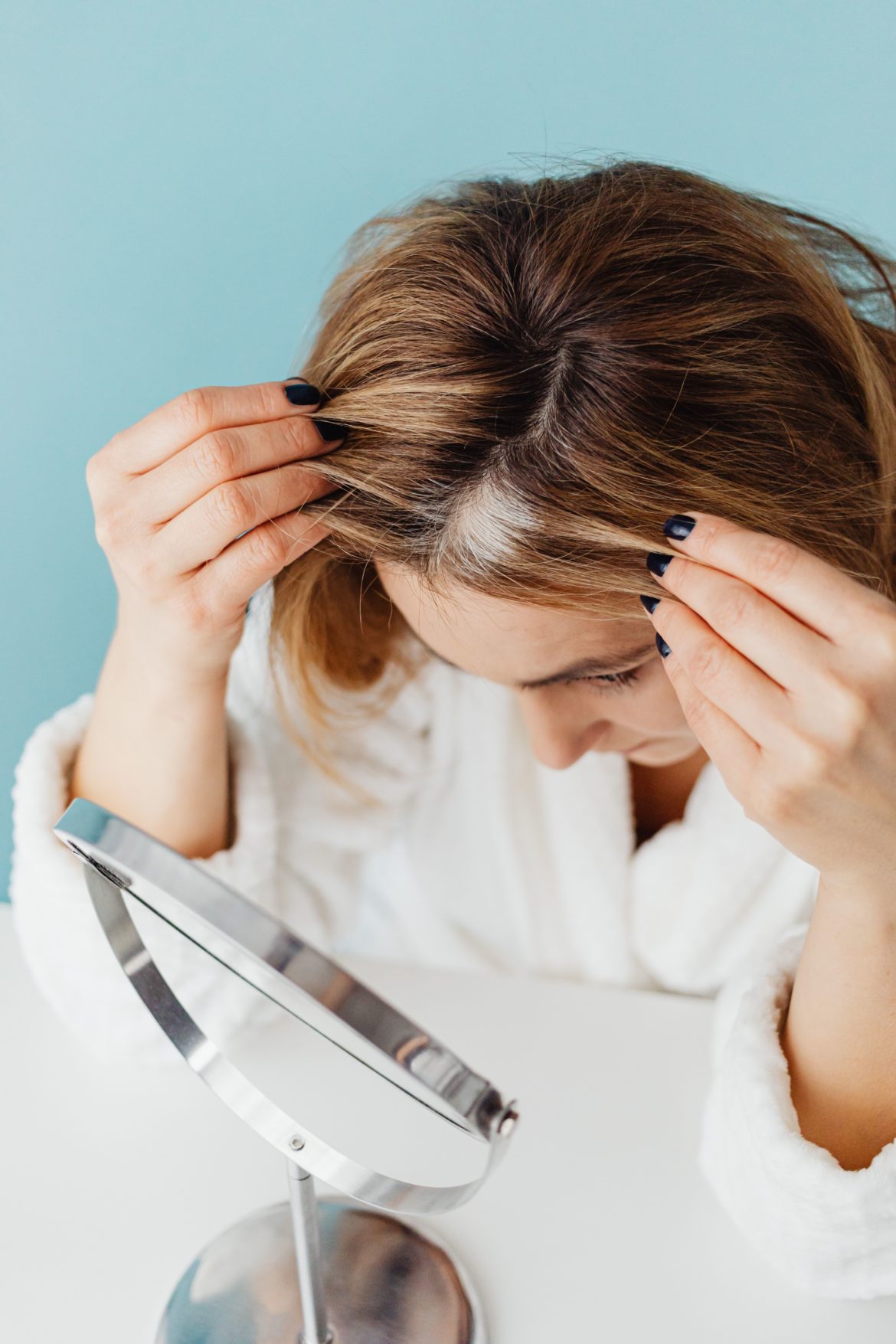
Hair changes after 40 are very common, and most of them are a normal part of getting older. Your hair may feel drier, look thinner or show more grey, but a few small changes can help.
ALSO SEE: Why your foundation looks different by the afternoon
Why your hair changes in your 40s
Hair follows what’s happening in the rest of your body. In your 40s, hormone levels start to shift, including oestrogen, which helps keep hair full and growing. Your scalp also makes less natural oil, so hair can dry out more easily. Stress, poor sleep and years of colouring and heat styling can add to it.
What’s normal
Dryness- With less natural oil, hair can feel dry and dull, and it may be harder to keep smooth.
Thinning- Many women notice a thinner ponytail or a wider parting. A gradual change is normal, especially around the crown and temples.
Grey hair- Greys often show up more in your 40s. They can also feel drier than the rest of your hair, so they may need a little extra moisture.
More hair in the brush- Losing 50 to 100 hairs a day is normal. You may shed more after a stressful time or an illness.
When to see a doctor
Speak to your GP if your hair falls out suddenly, comes out in clumps, leaves bald patches, or changes alongside tiredness or a sore, itchy scalp. Low iron, thyroid problems and low vitamin levels can all affect your hair, and a simple test can check for them.
What helps
Be gentle when you wash- Use a mild shampoo on your scalp and a good conditioner on the lengths and ends. Lukewarm water is kinder to your hair than very hot water.
Add moisture- A weekly hair mask and a leave-in conditioner can bring softness back.
Go easy on heat- Let your hair air-dry when you can, and use a heat protectant when you style it.
Look after your scalp- A gentle massage while you shampoo keeps your scalp feeling fresh, and a clarifying shampoo every now and then clears out product build-up.
Talk to your hairdresser- A good cut can make hair look fuller, and softer colour options like highlights or a gloss can be kinder than all-over dye.
Eat well and rest- Hair needs protein, iron and healthy fats, so think eggs, fish, beans, nuts and leafy greens. Good sleep and ways to unwind help too. Check with a pharmacist or doctor before starting any supplements.
Be kind to your hair, and to yourself
Your hair will change in your 40s, and that’s completely normal. A gentler routine, the right products and a cut that suits you can make a big difference. If something feels off, a quick check-up can rule out the usual causes.
ALSO SEE:
Featured Image: Pexels