ALSO SEE: How much sleep do you actually need?
Why darkness matters
Your body runs on a natural clock, and light is the main thing that controls it. When it gets dark, your brain releases melatonin, the hormone that tells your body it’s time to wind down. Bright light, especially the bluish kind from screens and LED bulbs, tells your brain to wait. Your eyelids let some light through even when your eyes are closed, and your brain still picks it up.
Research suggests that sleeping with a light on can affect your body even if you don’t wake up. In a 2022 study by Northwestern University researchers, healthy adults who slept in a moderately lit room for one night had a faster heart rate while they slept, and their bodies were less able to manage blood sugar the next morning. Over time, poor sleep can leave you tired, moody and struggling to concentrate.
So, how dark is dark enough?
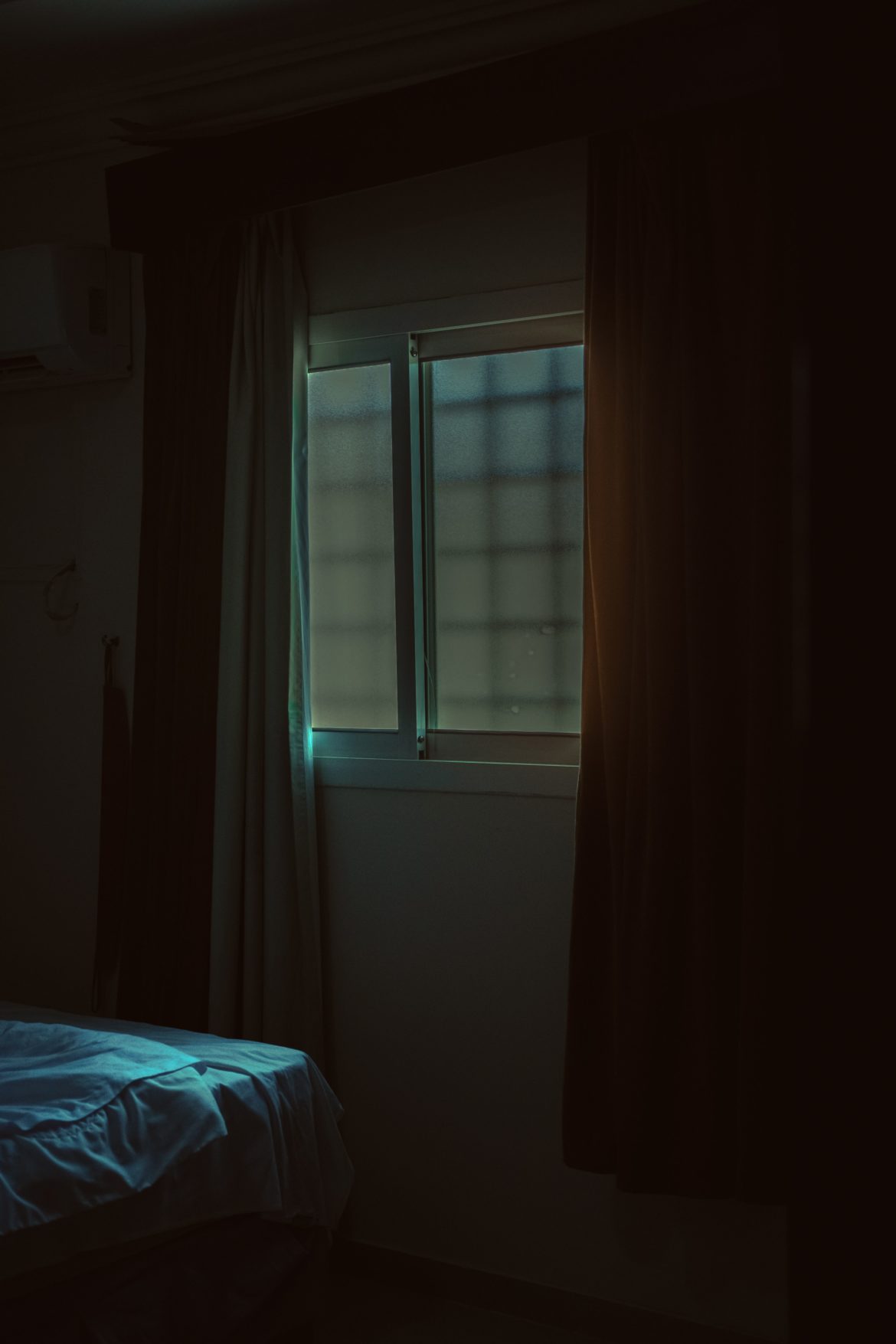
The ideal bedroom is dark enough that you can barely see your hand in front of your face. If you can easily make out the furniture with the lights off, your room is probably a bit too bright.
You don’t have to sleep in total darkness, though. Some people feel uneasy when it’s pitch black, and that’s fine. If that’s you, choose a very dim, warm light, like a soft amber night light placed low down and away from your eyes. Avoid white bulbs and phone screens.
Simple ways to make your room darker
Start with the windows, because that’s where most of the light comes in. Blackout curtains or blinds work best, and lined curtains are a good option if you’re on a budget. Make sure they cover the sides of the window too, since light often sneaks in around the edges. If you’re renting, a clip-on blackout liner or blackout film is an easy fix.
Next, look at the small lights. A TV standby light, a charger glow, a bright alarm clock or the light on a power backup unit all add up. Switch them off, cover them with a bit of tape or move them out of your line of sight. If you charge your phone next to your bed, turn it face down.
Think about the light outside too. Streetlights and security lights can shine straight into a bedroom, and in summer the sun can be up very early. Good curtains help with all of these. If you can’t change anything in your room, a soft, lightweight sleep mask is a cheap and easy option.
What you do before bed matters too
Try dimming the lights an hour or two before bed and use lamps instead of the main ceiling light. Put your phone away, or at least turn the brightness down, so your brain knows the day is coming to an end.
Get light in the morning
Darkness at night is only half of it. Bright light in the morning helps keep your body clock on track, which makes it easier to fall asleep at night. Open your curtains as soon as you wake up, or step outside for a few minutes with your coffee.
If you still can’t sleep
You don’t need to change your whole bedroom. Make it as dark as you comfortably can, switch off or cover the small lights, and keep your evenings calm and dim. If you’ve tried all of this and still struggle to sleep, it’s worth speaking to your doctor.
ALSO SEE:
Featured Image: Pexels