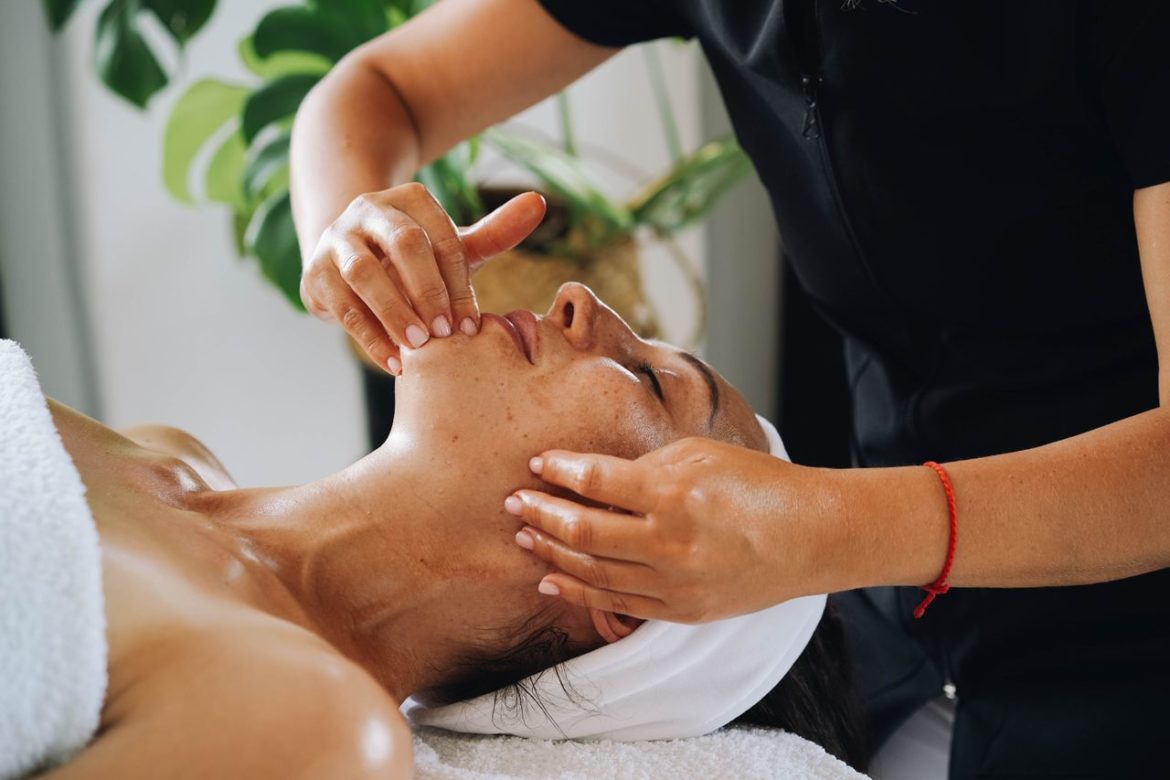
Lymphatic drainage facials have become a familiar sight on beauty feeds: slow sweeping movements along the jaw, cheeks and neck, followed by a noticeably less puffy face in the after shot. The appeal is easy to understand, especially after a salty meal, a short night or a morning when the face simply looks more swollen than usual.
There is a real technique behind lymphatic drainage, but the medical version and the social-media beauty version are not quite the same thing. The biggest difference is what the treatment can reasonably be expected to do.
What the massage is actually doing
The lymphatic system helps return fluid from tissues to the circulation. Manual lymphatic drainage uses very light, rhythmic movements intended to encourage that fluid towards functioning lymph vessels and nodes. In healthcare, it is most established as part of treatment for certain forms of lymphoedema and swelling.
On the face, gentle massage may temporarily reduce superficial puffiness and can feel soothing. Small clinical studies have also explored manual drainage for facial swelling after surgery. That is a much narrower claim than saying a beauty facial can detox the body or permanently change facial structure.
Why the results are usually temporary
If facial puffiness is caused by temporary fluid retention, encouraging that fluid to move can make features look a little more defined for a few hours. The massage itself may also increase local blood flow and create a fresh, rested look immediately afterwards.
Neither effect is the same as fat loss or structural contouring. A lymphatic facial does not remove facial fat, shrink bone or permanently sharpen the jawline. If the treatment creates a visible difference, think of it as de-puffing rather than reshaping.
What it cannot detox
The word detox is where the trend tends to outrun the evidence. Your lymphatic system works alongside organs including the kidneys and liver as part of normal fluid and waste handling. A facial massage does not flush vague toxins out of the body, and feeling relaxed after a treatment is not proof that anything harmful has been removed.
That does not make the experience pointless. Relaxation, gentle touch and a temporary reduction in puffiness can be worthwhile outcomes on their own. They just do not need a detox story attached to them.
When to skip a lymphatic facial
Persistent or unexplained swelling should not be treated as a beauty problem. Sudden facial swelling, swelling linked with breathing difficulty, or ongoing puffiness with other symptoms needs medical attention rather than massage.
Lymphatic drainage is also not appropriate for everyone. Active infection, cellulitis, blood clots and some heart, kidney or cancer-related conditions can change whether this type of massage is safe. Anyone managing lymphoedema or a significant medical condition should get individual guidance before trying it.
A gentler way to think about the trend
For a healthy person who simply wakes up a little puffy, the most realistic expectation is a gentle, relaxing facial that may temporarily reduce fluid-related swelling. Pressure should be light, not aggressive, because lymph vessels sit close to the skin.
The best beauty trends are the ones that still make sense after the dramatic promises are removed. Lymphatic drainage can fit that description, as long as temporary de-puffing is enough of a reason to book it.
ALSO SEE:
Featured Image: Pexels