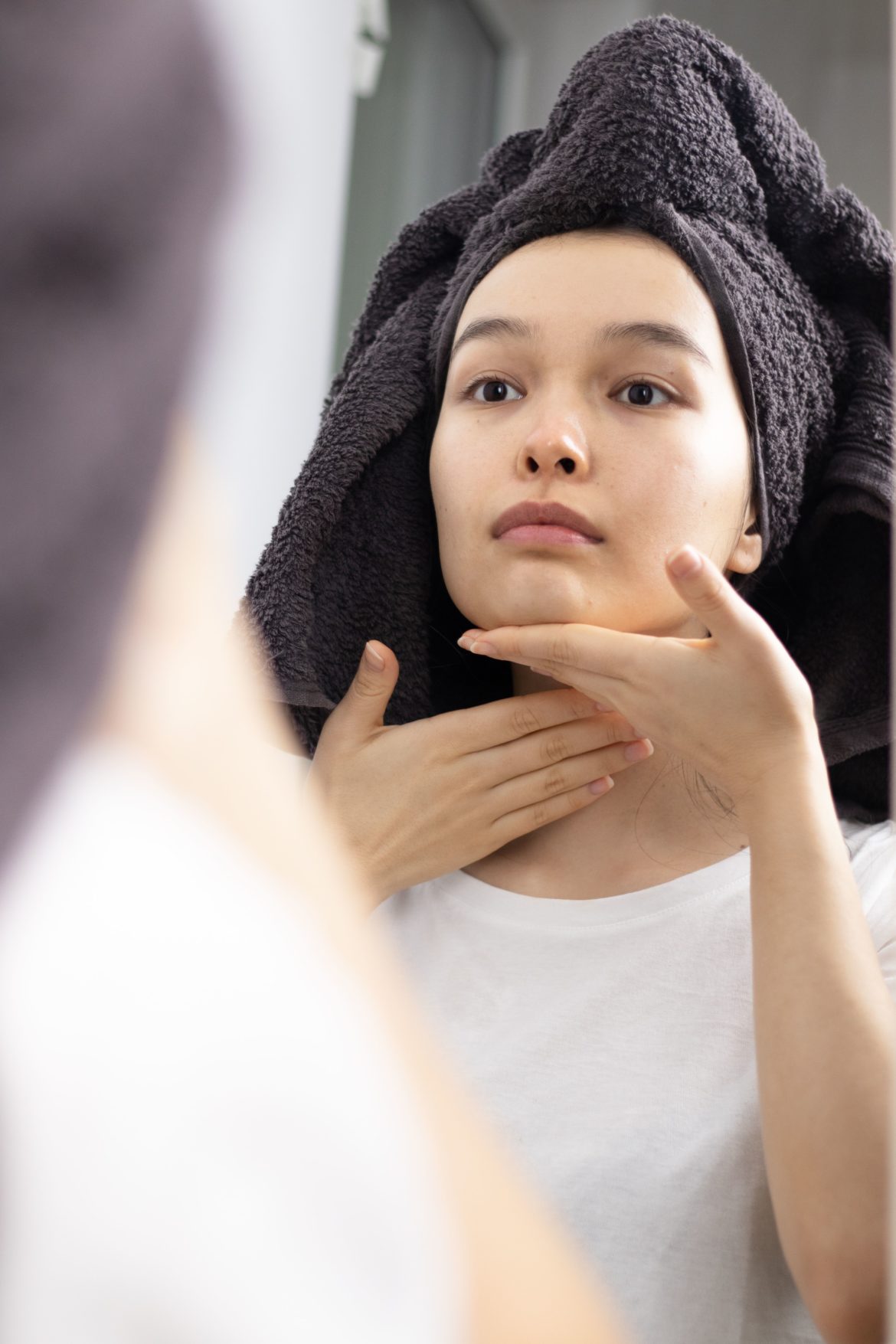
Social media has a habit of turning complicated health issues into neat visual checklists. The latest example is “ferritin face”, a viral label used for a collection of changes such as tired-looking skin, dark under-eye circles, dry or cracked lips and increased hair shedding.
The important part comes before the trend: ferritin is real, but “ferritin face” is not a recognised medical diagnosis. Ferritin is a protein that stores iron in the body, and a ferritin blood test can help clinicians assess iron stores. Looking at your complexion in the mirror cannot tell you whether those stores are low.
What low iron can look like
Iron deficiency can cause a range of symptoms, especially when it progresses to iron-deficiency anaemia. Common signs can include tiredness, low energy, shortness of breath, headaches, paler-than-usual skin and noticeable heartbeats. Hair shedding can occur too, while some people experience changes to their nails or soreness at the corners of the mouth.
The problem with using appearance alone is that these signs are not specific to iron deficiency. Dry skin, dark circles, hair loss and fatigue can have many possible causes, from stress and sleep disruption to thyroid problems, hormonal changes, other nutritional deficiencies and skin conditions.
Why ferritin matters
Iron is needed to make haemoglobin, the protein in red blood cells that helps carry oxygen around the body. Ferritin acts as a storage marker, which is why it can be useful when a clinician is investigating whether the body has enough iron in reserve.
A ferritin result is usually interpreted alongside symptoms and, depending on the situation, other blood tests. One isolated number does not always tell the whole story because ferritin can also be affected by inflammation and illness. That is another reason social-media self-diagnosis can be misleading.
Do not start iron supplements just because of a trend
It can be tempting to treat suspected low iron with an over-the-counter supplement, particularly when hair or skin changes are the main concern. But iron is not a harmless beauty supplement. Taking more than you need can cause side effects and, in excessive amounts, can be harmful.
If low iron is confirmed, the next step is also to understand why it is low. Blood loss, heavy periods, pregnancy, dietary intake and digestive conditions are among the possibilities a healthcare professional may consider. Treatment depends on the cause as well as the severity.
When to get checked
If you have persistent fatigue, shortness of breath, significant hair shedding, unusually pale skin, heart palpitations or other symptoms that are worrying you, book an appointment with a healthcare professional. A proper history and blood tests are far more useful than matching your face to a viral checklist.
The “ferritin face” conversation may encourage some people to pay closer attention to their health, which is useful. The part worth leaving behind is the idea that iron deficiency has one recognisable look. Your face can offer clues that something has changed, but diagnosis belongs in the consulting room, not on your feed.
Food can help, but symptoms still need context
Iron-rich foods include meat, legumes, dark leafy greens and fortified cereals, while vitamin C can help the body absorb iron from plant sources. Diet is an important part of maintaining healthy iron intake, but it is not a substitute for investigating persistent symptoms. If iron stores are genuinely low, the cause and the right treatment plan need to be considered together.
ALSO SEE;
Featured Image: Pexels