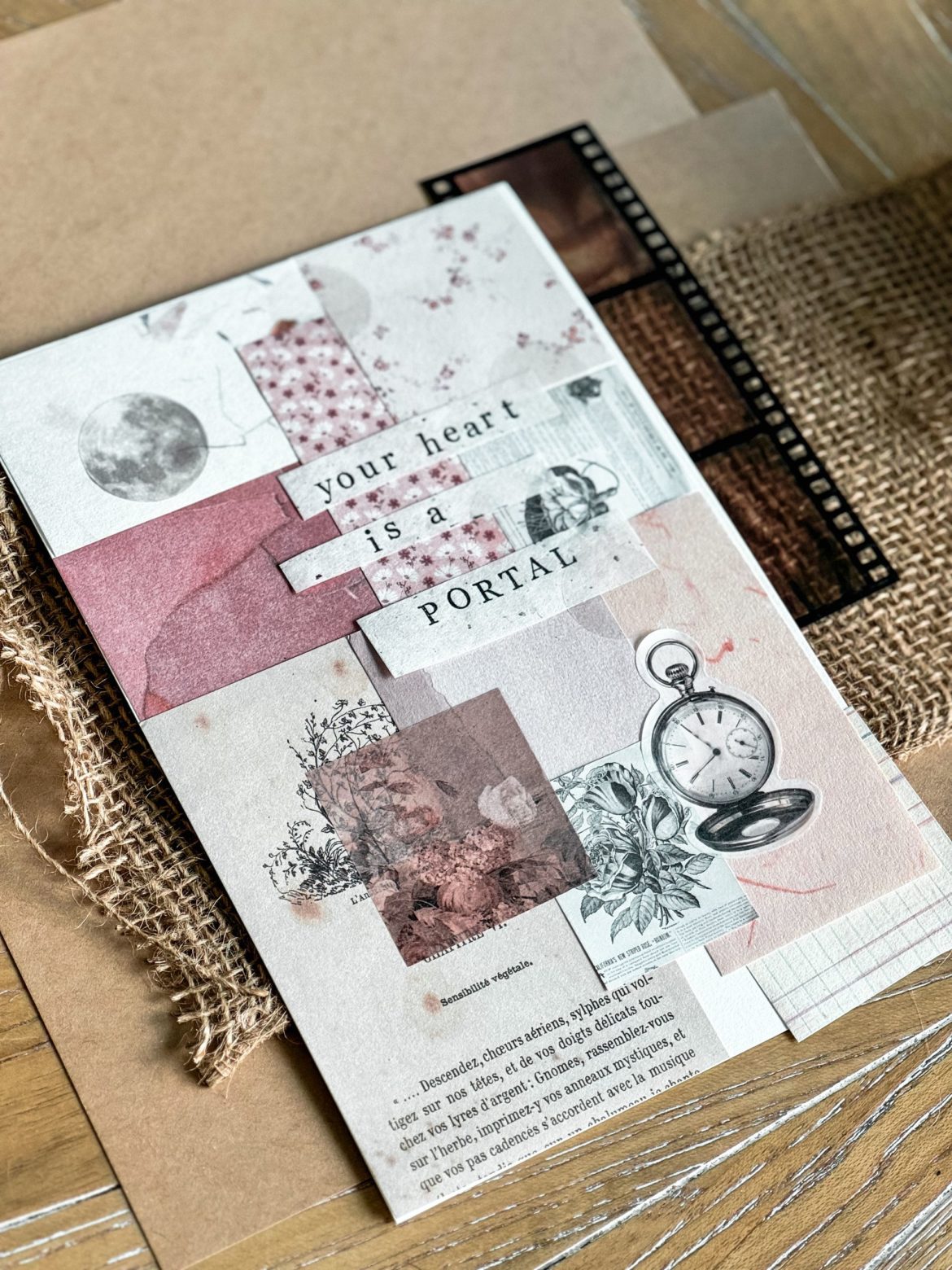
A junk journal is a personal journal made from collected scraps and everyday ephemera rather than purchased materials: ticket stubs, maps, cafe receipts, restaurant napkins, packaging, pressed flowers, business cards, brochures and anything else that crosses your path during a trip and carries the particular texture of being there. The result is a record of a journey that photographs cannot replicate, because it includes the physical objects and small details that photographs leave out.
Starting one is considerably less complicated than it might look on social media, where finished spreads tend to feature beautifully layered pages that suggest hours of careful work. In practice, the most satisfying travel junk journals are built quickly and intuitively, with the scraps arranged as you go rather than curated retrospectively.
What to collect during the trip
The collecting habit is the most important part to establish early. Paper goods are the most useful: tourist maps, museum and gallery brochures, event flyers, train and bus tickets, boarding passes, restaurant menus or napkins with printed details, and any free printed material that crosses your path. Tiny keepsakes earn their place if they are flat or can be flattened: pressed flowers, a café sugar wrapper, a business card from a place you loved. Receipts are surprisingly useful as diary inserts, since they carry dates and locations automatically.
The key is low threshold: collect anything that might work rather than trying to curate as you go. You will make better decisions about what to include when you have the materials in front of you on the page.
What you need to start
The base is the most important structural decision. A simple spiral or sewn notebook works well, as does an old hardcover book with its pages partially glued for strength. If you want something that travels easily, a small traveller’s notebook or a folded and sewn cardstock pamphlet takes up almost no space in a bag. The notebook’s paper should be sturdy enough to hold glue without warping dramatically, though some warping is part of the character rather than a problem.
Beyond the base, a basic glue stick handles most lightweight ephemera. Double-sided tape or washi tape adds texture and holds heavier pieces. A fine-tip pen for adding notes and dates, a pair of scissors and optionally a decorative hole punch complete the toolkit. You do not need anything specialist to start.
@imtaramichellejunk journal tour!!! 📓 just a little glimpse at some pages ive done over the last ~14 years!!!! my fave hobby 🥹♬ original sound – Tara Michelle
How to build a spread
The most useful habit for a traveller is to work on the spread at the end of each day while the details are fresh, or at least at the end of each destination before moving on. Waiting until you get home means the receipts have been lost and the memory of which coffee shop the brochure came from has faded.
Before glueing anything, lay out the collected materials on the page and arrange them until the composition feels right. Larger pieces like maps and brochures go down first, with smaller tickets, receipts and details overlapping them. Layer different textures: a printed map underneath a handwritten note underneath a torn edge of wrapping paper. The depth of layering is what gives a spread its richness.
Once happy with the arrangement, glue pieces down starting from the bottom layer upward. Add personal details last: a sentence or two about the day, the date, a quote you heard, the name of the place, whatever feels worth preserving. Small notes written at an angle or in the margins add character and differentiate a junk journal from a scrapbook.
@bella.grace016 I always try to capture the vibe of the place and memories from a trip in my junk journal! I think this page screams Colorado and holds so many mementos from our time there :)) #junkjournal #journal #traveljournal #creatorsearchinsights #Journaling ♬ Watch the World Spin – Dusty Road Social Club
Tips for making it look cohesive
Colour is the easiest way to create visual unity across a page full of diverse materials. Before you start a spread, choose a loose colour theme from the materials you have collected and set aside pieces that fall outside it. A page dominated by blues and creams with small accents of red reads as composed without requiring any deliberate design thinking. Tone-on-tone arrangements, where everything sits in the same warm or cool palette, produce a particularly beautiful result.
Variation in the edges of pieces adds interest: tear rather than cut some edges, punch decorative holes in others, fold the corners of receipts rather than laying them flat. Pockets, made by glueing an envelope or folded piece of packaging onto the page with only three sides sealed, create a place to tuck items you want to access rather than glue down permanently.
Where to start if you have existing material
If you have a collection of travel ephemera from a past trip and no idea where to begin, start with one page on one day. Choose the most visually interesting single piece and build the spread outward from it. The instinct to make it perfect is the most reliable barrier to making it at all: the best travel journals look like they were made by someone fully present in the experience rather than someone carefully executing a design plan.
ALSO SEE:
Featured Image: Pexels