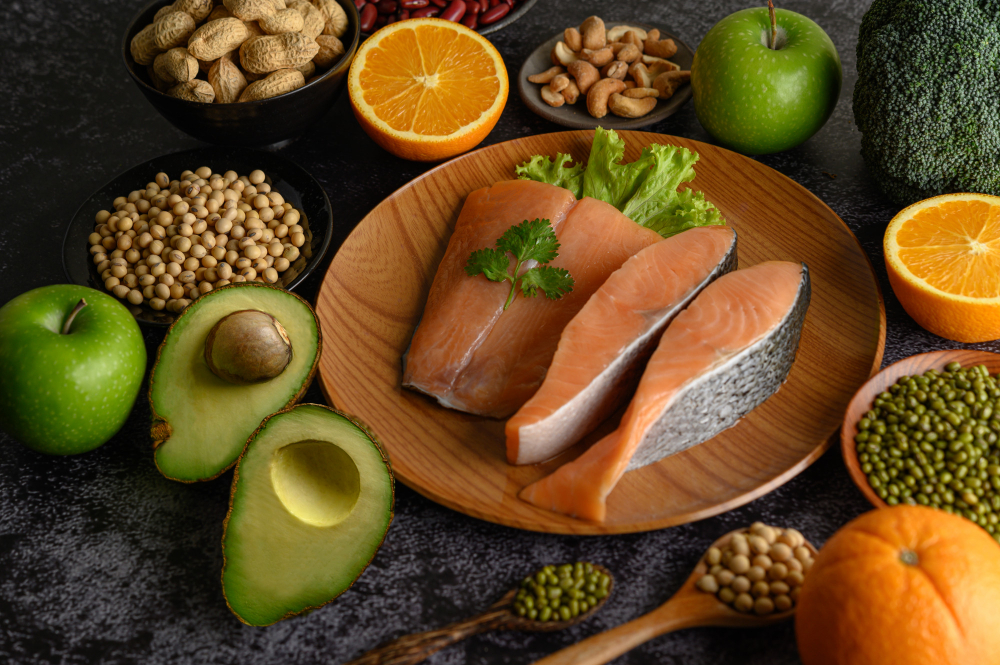
Feeling tired, sluggish and not quite yourself? The right foods can give your body the nutrients it needs to support energy, immunity and recovery.
ALSO SEE: Why does my energy feel up and down during the day?
Before reaching for another cup of coffee, try nourishing yourself with simple, feel-good foods.
Start with protein
When you’re feeling depleted, protein-rich foods can help keep you satisfied and provide a steady source of energy. Add eggs to breakfast, enjoy yoghurt or cottage cheese as a snack, or include chicken, fish, beans or lentils in your meals.
Pairing protein with fibre-rich carbohydrates, such as oats, wholegrains or sweet potatoes, can also help create a more balanced meal that keeps you going for longer.
Don’t forget iron-rich foods
Low iron intake can contribute to tiredness, so it’s worth including iron-rich foods as part of a balanced diet. Lean red meat, eggs, beans, lentils, spinach and fortified cereals are useful options.
Pair plant-based sources of iron with vitamin C-rich foods, such as citrus, berries, tomatoes or peppers, which can help your body absorb the iron.
Reach for colourful fruit and vegetables
When you’re run down, your body needs a variety of vitamins, minerals and other beneficial plant compounds. Rather than focusing on one ‘superfood’, aim for plenty of colour across your meals.
Add berries to breakfast, snack on an orange or apple, throw leafy greens into a lunchtime salad and include vegetables such as broccoli, peppers and carrots with dinner.
Choose slow-release carbohydrates
Feeling exhausted can make you want a quick sugary snack, but foods containing fibre-rich carbohydrates can provide more lasting fuel. Oats, wholegrain bread, brown rice, quinoa, beans and sweet potatoes are all easy options to work into everyday meals.
Try a bowl of porridge topped with fruit and nuts, or a baked sweet potato with beans and avocado for a satisfying, nutrient-rich meal.
Stay hydrated
Sometimes that ‘run down’ feeling can be made worse by not drinking enough fluids. Keep water nearby throughout the day and include hydrating foods such as watermelon, cucumber, oranges and soups.
If you’re feeling particularly depleted, a warm mug of herbal tea can also be a comforting way to increase your fluid intake.
Add healthy fats
Your body needs dietary fat for a variety of important functions, so don’t be afraid to include healthy sources in your meals. Avocado, nuts, seeds, olive oil and oily fish such as salmon or sardines can all form part of a balanced diet.
A handful of nuts with fruit or avocado on wholegrain toast makes an easy snack when you’re too tired to prepare something elaborate.
Make comfort food work harder
When you’re feeling under the weather, complicated meals probably aren’t appealing. Keep things simple with nourishing options such as vegetable soup with beans or chicken, scrambled eggs on wholegrain toast, or a warming bowl of oats topped with fruit and seeds.
The goal isn’t perfection, it’s giving your body regular, nourishing meals while allowing yourself plenty of rest.
Listen to what your body needs
Food can support your energy and overall well-being, but it isn’t a substitute for sleep or medical care. If tiredness is persistent, severe or unusual for you, speak to a healthcare professional to rule out an underlying cause.
For now, focus on the basics: eat regularly, choose a variety of nourishing foods, drink plenty of water and give yourself permission to slow down. Sometimes, feeling better starts with something as simple as sitting down to a proper meal.
ALSO SEE:
Featured Image: Magnific