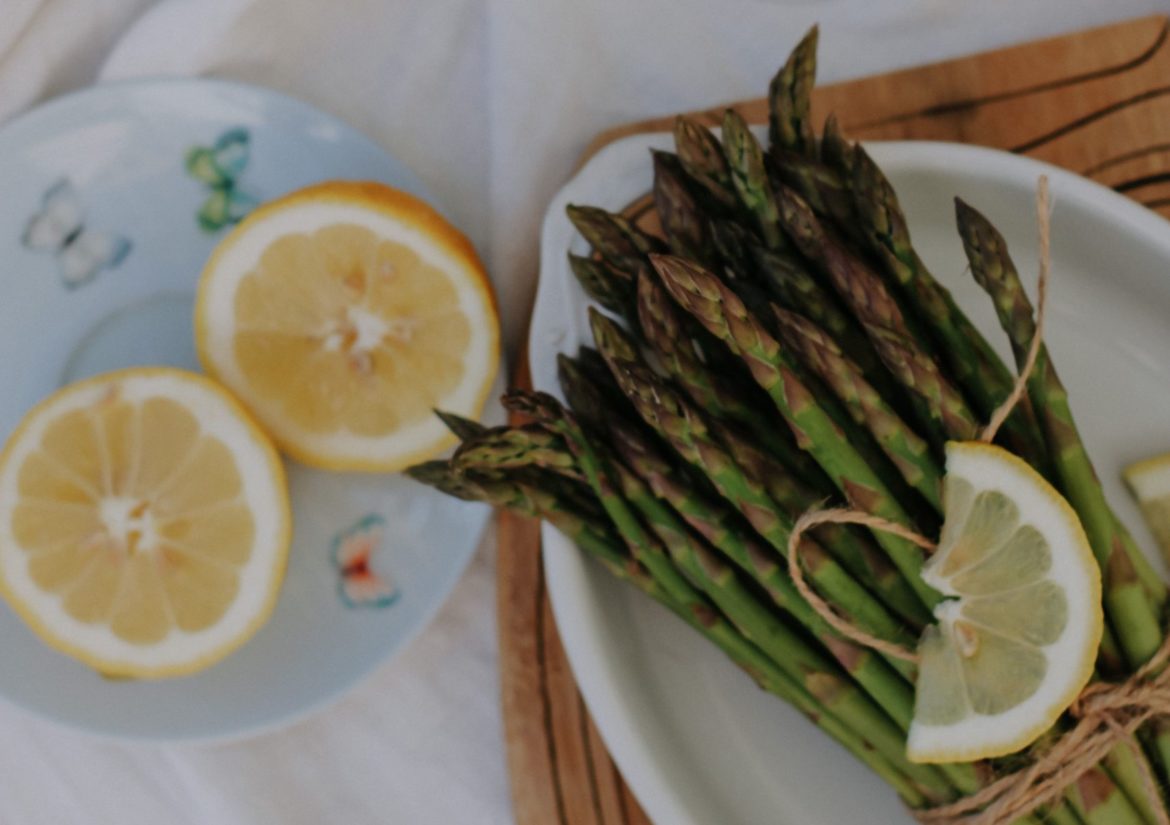
As we move away from the comforting meals of winter, it is the perfect time to refresh your plate with lighter, nutrient-rich foods that celebrate the flavours of the spring season.
Eating seasonally can also make meals more interesting, encouraging you to experiment with different fruits, vegetables, herbs and simple preparations.
1. Load up on leafy greens
Spring is a great opportunity to bring more leafy greens into your meals. Spinach, rocket, lettuce, Swiss chard and other greens can add colour, fibre and a range of vitamins and minerals to everything from salads to smoothies.
Try adding baby spinach to scrambled eggs, tossing rocket through a pasta dish or creating a colourful salad with mixed leaves, cucumber, avocado and a simple lemon dressing.
Don’t think of salad as a side dish. Add protein, whole grains, healthy fats and plenty of vegetables to turn it into a satisfying main meal.
2. Make room for fresh berries
Strawberries, blueberries, raspberries and blackberries are an easy way to add natural sweetness and colour to your diet. They can be enjoyed on their own or added to breakfast bowls, yoghurt, overnight oats and smoothies.
Berries are also rich in antioxidants and fibre, making them a delicious alternative to highly processed sweet snacks.
For an effortless spring breakfast, top plain yoghurt with fresh berries, a handful of nuts and a sprinkle of seeds.
3. Bring back asparagus
Tender asparagus is a versatile spring vegetable that works beautifully roasted, grilled, steamed or sautéed. It provides fibre and several important micronutrients while adding a distinctive flavour to meals.
Serve it alongside grilled fish or chicken, fold it into an omelette or add roasted asparagus to a warm grain bowl.
A little olive oil, lemon juice, black pepper and fresh herbs are often all you need to make it shine.
4. Embrace peas
Fresh peas are one of the simplest ways to bring a touch of spring to your plate. Naturally sweet and packed with fibre and plant-based protein, they can be used in far more than traditional side dishes.
Add them to risottos, soups, pasta, salads or grain bowls. You can even blend them into a vibrant pea dip to serve with wholegrain crackers and fresh vegetables.
Frozen peas are also an excellent option when fresh peas aren’t readily available.
5. Add more citrus
As temperatures rise, citrus fruits can make meals feel lighter and more refreshing. Oranges, naartjies, grapefruit, lemons and limes can add flavour while contributing vitamin C and other nutrients.
Don’t limit citrus to your breakfast bowl. Use lemon in salad dressings, squeeze lime over grilled fish or chicken, or add orange segments to a fresh green salad.
The zest can also transform simple dishes without requiring much additional seasoning.
6. Don’t forget avocado
Creamy, versatile and incredibly easy to use, avocado deserves a place on your spring menu. Its healthy fats can help make lighter meals more satisfying.
Spread it over wholegrain toast, add it to salads or use it as a creamy base for a dressing or dip. Pairing avocado with tomatoes, leafy greens and a source of protein creates an easy, balanced lunch.
7. Fill your basket with crunchy vegetables
Spring is the perfect time to make fresh vegetables the star of your meals. Think cucumber, carrots, radishes, peppers, sugar snap peas and tomatoes.
Their crunch and freshness make them particularly appealing as the weather warms up. Keep chopped vegetables in the fridge for quick snacks or add several varieties to salads, wraps and bowls.
For a simple snack, pair crunchy vegetables with hummus or another protein-rich dip.
8. Bring fresh herbs to the table
Fresh herbs can completely change a meal without relying heavily on salt, sugar or rich sauces. Basil, coriander, parsley, mint, dill and chives can all add brightness and flavour.
Scatter fresh herbs over roasted vegetables, stir them into salads, blend them into sauces or add them to homemade dressings.
Mint and coriander, in particular, can make simple spring salads taste instantly more vibrant.
9. Choose lighter, hydrating Foods
Warmer weather can make hydration even more important, so include foods with a high water content as part of your daily meals.
Watermelon, cucumber, strawberries, oranges, tomatoes and leafy greens can all contribute to your overall fluid intake while adding valuable nutrients.
Try combining watermelon, cucumber, feta and mint for a simple seasonal salad, or keep sliced fruit chilled for an easy snack.
10. Keep whole foods at the centre
Spring eating isn’t about following a restrictive diet or eliminating the foods you enjoyed during winter. Instead, think about adding more variety and colour to your plate.
Build meals around vegetables and fruit, whole grains, beans and lentils, lean proteins, nuts and seeds, and healthy fats. The goal is to create meals that are nourishing, satisfying and enjoyable.
Spring offers the perfect excuse to rethink your everyday meals. Visit your local market or grocery store and choose a few fruits and vegetables you don’t normally buy. Experiment with new salads, fresh herbs, colourful grain bowls and lighter meals.
Most importantly, don’t overcomplicate it. A plate filled with fresh, colourful ingredients, a good source of protein and plenty of flavour can be one of the easiest ways to make your spring meals feel both delicious and nourishing.
This season, let your plate reflect spring: fresh, colourful, vibrant and full of possibility.
ALSO SEE:
Featured Image: Pexels